
How Is a Custom Swimming Pool Designed Around Your Backyard Layout?
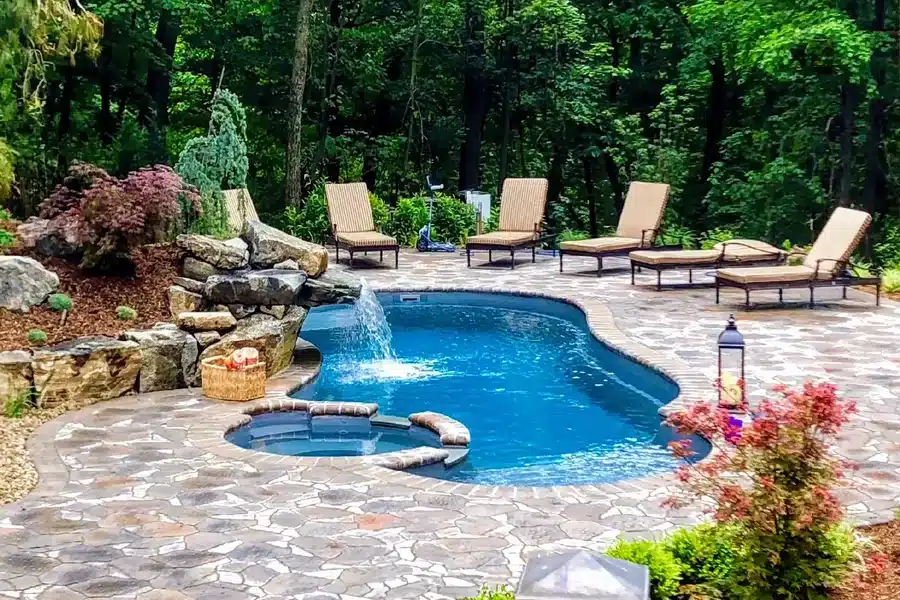
A custom swimming pool begins with the backyard, not with a preselected shape. Every outdoor space has its own limits and possibilities, from property lines and slopes to existing patios, trees, utility access, and how the house opens into the yard. Homeowners often picture the water first, but the design process usually starts with measurements, movement, and sightlines. The goal is to create a pool that feels like it belongs to the property rather than being an afterthought. When the layout is planned carefully, the pool can improve traffic flow, preserve open space, and connect naturally with the rest of the outdoor setting.
Fitting the Design Naturally
- Mapping Space, Access, and Proportion
The first stage of designing a custom swimming pool is understanding how the backyard is actually used and how much room is truly available. A designer studies the lot’s dimensions, the home’s location, setbacks, fencing needs, drainage patterns, and any structures already in place, such as decks, sheds, outdoor kitchens, or garden beds. This helps determine where a pool can fit without making the yard feel crowded or awkward. Shape matters, but so does how people will move around the pool once it is built. There must be enough room for walking paths, seating, entry points, and maintenance access. A narrow backyard may benefit from a long, rectangular design that stretches along the lot, while a wider yard may accommodate curves or separate activity zones. Proportion is just as important as size, because a pool that is too large can overwhelm the home and reduce useful outdoor living space. The layout is usually refined around both visual balance and practical daily use.
- Designing Around Slope, Sun, and Existing Features
Backyard conditions play a major role in the final pool design, especially when the land is not perfectly flat. A sloped yard may require grading, retaining features, or a layout that takes advantage of elevation rather than fighting against it. Sun exposure is another major factor because it affects water temperature, comfort, glare, and the overall feel of the pool area throughout the day. Designers also look at how nearby trees affect shade, debris, and root activity. Existing features can either guide the design or limit it, depending on where they sit. A patio door that opens directly onto the yard may suggest a centered visual axis leading to the water. At the same time, mature landscaping might encourage a shape that bends around it rather than removing it. Homeowners looking for regional planning ideas often compare how a pool company in Minneapolis approaches seasonal weather, yard grading, and outdoor living patterns when deciding which design will work long term. Every decision is shaped by what the property already offers and what it can realistically support.
- Matching the Pool to Lifestyle and Outdoor Use
A custom pool is not designed around the yard alone. It is also designed around how the homeowner wants to live in that space once construction is complete. Some families want open shallow areas for children, while others prefer lap lanes, tanning ledges, or a layout that supports entertaining more than swimming. The backyard must still function when the pool is full of people, furniture, lighting, and landscaping, so the design process includes more than the water itself. Designers consider where lounge seating will go, how guests will enter the area, where wet foot traffic will flow, and how the pool relates to outdoor dining or covered spaces. If the backyard is small, that often means combining several functions into one clean layout rather than dividing the area into too many cramped sections. If the yard is larger, the design may create stronger zones for gathering, relaxing, and swimming without feeling disconnected. The pool becomes part of an overall outdoor plan, not a standalone feature dropped into the middle of the property.
- Choosing Details That Support the Layout
After the pool’s position and shape are established, the design moves into materials and details that support the backyard layout rather than compete with it. Decking width, coping style, waterline tile, entry steps, lighting placement, and equipment location all affect how comfortable and cohesive the finished space feels. Even small choices matter because they influence sightlines, safety, and ease of use. Equipment cannot simply be hidden anywhere, since sound, access, and service clearance all need to be considered. Lighting should guide movement at night without making the yard feel harsh or overly lit. Entry points into the pool should align with natural walking routes from the house, rather than forcing people into awkward turns around furniture or planters. The home’s architecture also shapes material choices, so the finished pool area feels connected to the house rather than visually separate. A custom design works well when these details quietly reinforce the layout, allowing the backyard to feel intentional, comfortable, and suited to daily life in every season.
A Pool That Belongs in the Yard
A custom swimming pool is designed by reading the backyard carefully and shaping the project around what that space can support. The layout, slope, sunlight, access points, and surrounding features all influence the pool’s position, scale, and style. At the same time, the design must reflect how the homeowner wants to use the yard for swimming, gathering, and relaxing. When those factors are considered together, the result feels balanced and practical rather than forced. A well-designed pool does more than add water to a property. It creates an outdoor space that fits the home, supports everyday use, and completes the backyard.