
The Declutter Economy: Reselling Online While Freeing Up Space at Home
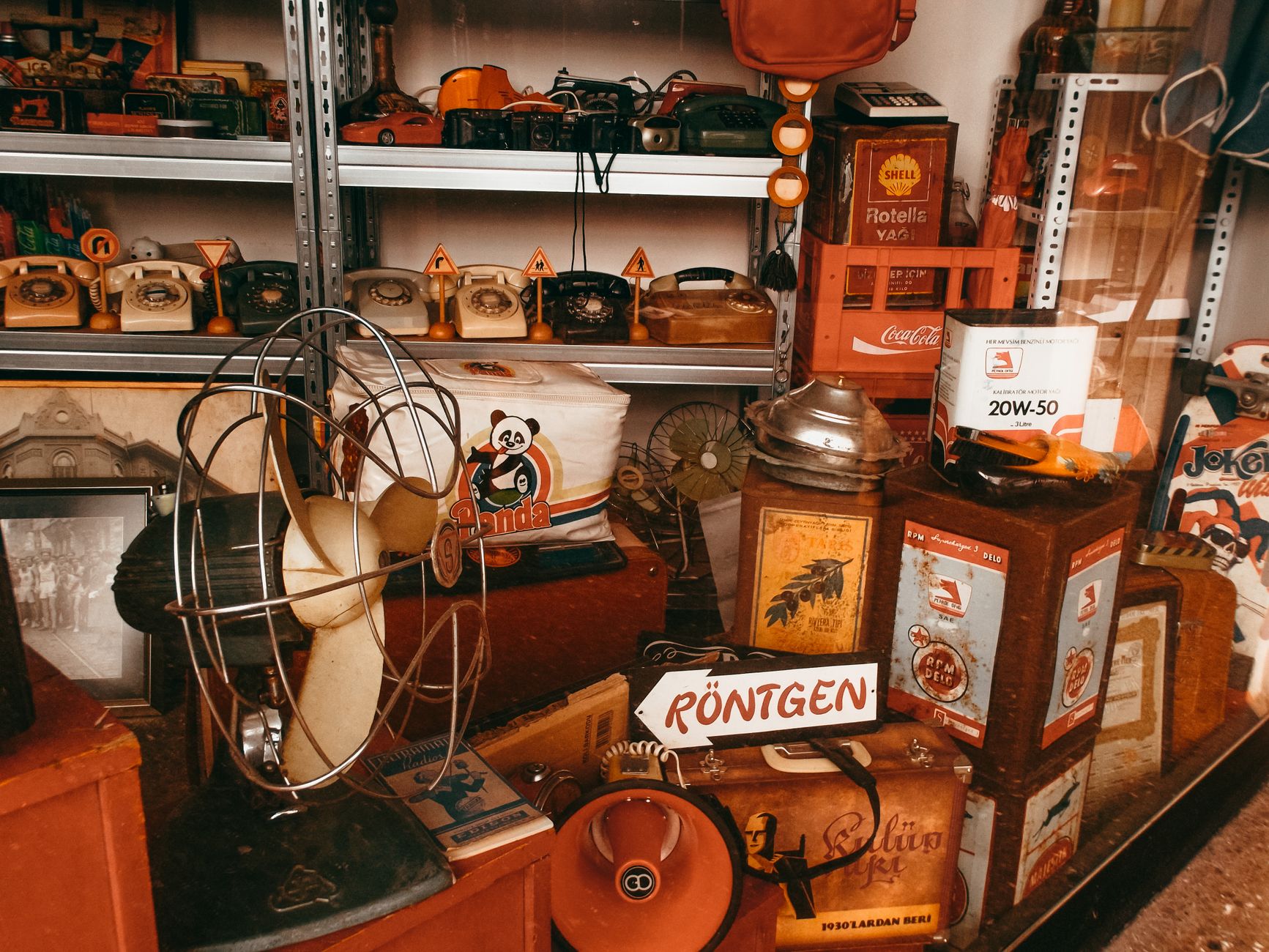
A man in Brookline once told me he made more money in one weekend selling his late father’s tool collection online than he’d spent renting a storage unit for the previous eighteen months holding onto it. He wasn’t trying to run a business. He just finally sat down, photographed everything, and discovered that a box of vintage hand planes he assumed were worthless were actually being fought over by collectors willing to pay real money. That’s the story hiding inside most closets and garages: value nobody’s bothered to check.
Reselling used goods has quietly become something between a hobby and a small side business for a lot of people who never intended to sell anything at all. It started as decluttering and turned into a discovery process about what things are actually worth.
Most People Underprice Because They Never Research First
The instinct when selling something used is to guess at a fair price, usually low, based on a vague sense of what feels reasonable. That instinct is almost always wrong, in both directions. Some items are worth far less than sentiment suggests. Others, particularly anything vintage, collectible, or from a discontinued line, are worth substantially more than a quick guess would suggest.
Checking top selling items on eBay before pricing anything gives a much clearer picture than intuition alone. Sold listings, not active ones, matter here specifically, because active listings show what sellers hope to get, while sold listings show what buyers actually paid. That distinction trips up a lot of first-time sellers who price based on someone else’s optimistic asking price rather than real transaction data.
Photography Matters More Than People Expect, and Costs Nothing Extra
A blurry photo taken in bad lighting communicates something to a buyer, and it’s not good. It signals a seller who doesn’t care much about the transaction, which makes buyers assume the item itself might be in worse condition than described. Good natural light, a clean background, multiple angles. None of this requires equipment beyond a phone, but it requires five extra minutes most people skip because they’re in a hurry to list and move on.
Items photographed well sell faster and at higher prices than identical items photographed poorly. This isn’t a minor detail. It’s often the single biggest factor separating a listing that sells in two days from one that sits for two months.
Not Everything Should Be Sold Immediately, and Some Things Shouldn’t Be Sold at All
There’s a temptation, once the reselling process starts feeling productive, to list everything at once, flooding a household’s worth of items onto a marketplace simultaneously. That usually backfires. Buyers respond better to a steady trickle of well-presented listings than an overwhelming batch dump, and sellers managing forty simultaneous conversations burn out fast, sometimes abandoning the whole project halfway through.
It’s worth being selective. Some items genuinely aren’t worth the time, effort, and platform fees required to sell them. Donating those clears space just as effectively without the overhead.
Temporary Storage Solves a Real Timing Problem, Not a Decision Problem
Reselling takes time, and that creates a real logistical question: what happens to everything between the decision to sell and the actual sale, especially for larger items like furniture that a buyer might not pick up for weeks. This is where finding self storage units in Boston becomes a genuinely useful step for people mid-project, rather than a place to permanently defer decisions.
The distinction matters. Storage used as a staging area, holding sold-but-not-yet-picked-up items or things actively being photographed and listed, serves the reselling process well. Storage used as an excuse to avoid deciding whether something should be sold at all just delays the same clutter problem at a monthly cost.
The Psychological Shift Happens Faster Than People Expect
Something interesting happens once someone sells their first few items successfully. The relationship to their remaining possessions changes. Things stop feeling like permanent fixtures and start feeling like assets with a market value, which makes letting go of the next item noticeably easier than the first one was.
That shift is probably the real value in all of this, more than any individual sale. A garage full of things nobody looks at twice becomes, piece by piece, a source of actual cash and actual space, and the habit of asking “what’s this worth to someone else” tends to stick around long after the initial decluttering project wraps up.