
The Things to Look for When Buying Your First Above-Ground Pool
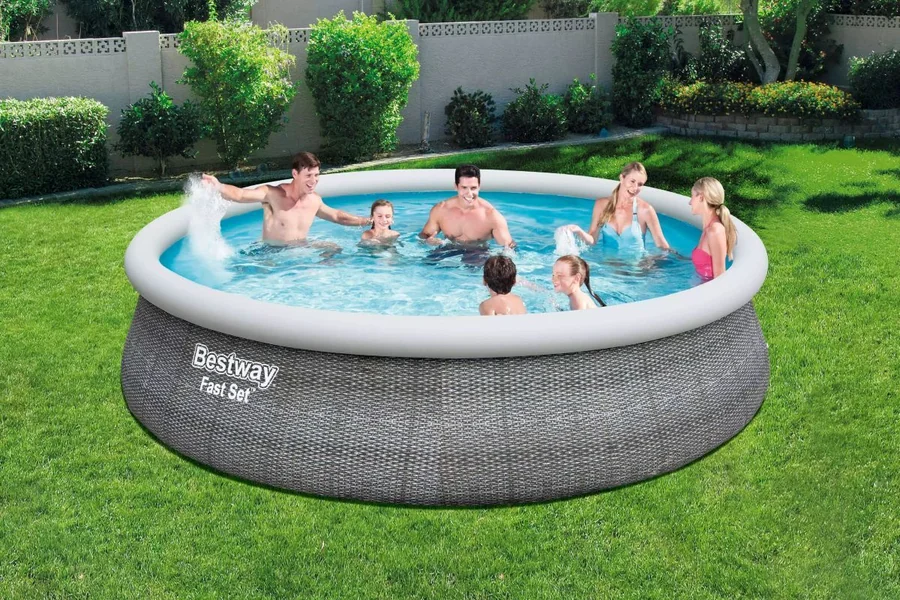
A first pool purchase deserves clear thinking, not guesswork. Families in Oklahoma City and across the state need enough room for play, quiet floating, water exercise, and routine care. Yard grade, soil firmness, access, utilities, equipment, and budget all shape the final choice. Getting these details right early helps avoid costly surprises after installation.
Oklahoma City heat, wind, rain, and freeze cycles also affect materials. Working with a trusted above-ground pool dealer in Oklahoma City gives buyers a chance to compare options suited to local conditions. Careful planning helps buyers select a pool that fits the property, schedule, and long-term outdoor plans. The sections below cover the key factors every first-time buyer should review.
Start With Yard Fit
Before visiting a dealer, buyers should measure clear yard space, gate width, slope, drainage paths, tree cover, buried lines, and fence distance. Those facts guide pool diameter, installer access, equipment placement, and service clearance. A proper layout leaves space for walking, seating, cleaning tools, electrical work, and safe movement.
Pick the Right Shape
Round pools usually offer strong structural balance and efficient use of material. Their circular design spreads water pressure evenly around the wall. Oval pools may suit narrow yards, longer swim paths, or future deck plans. Buyers should compare shape against sight lines, fence openings, patio traffic, and shade patterns. A measured drawing often exposes conflicts early.
Check Wall Strength
Pool walls carry thousands of gallons without pause, so construction quality matters. Steel panels provide rigidity, while resin components resist corrosion around damp soil and chemical splash. Hybrid frames can balance strength, rust resistance, and price. Ask how uprights, rails, tracks, fasteners, and wall coatings handle sun exposure, standing moisture, and seasonal ground movement.
Review Liner Quality
The liner protects the pool shell and creates the surface swimmers touch every day. Thicker vinyl can resist small punctures better, but proper fit is just as important. Buyers should review gauge, bead type, seam construction, warranty language, and replacement cost. The CPSC offers pool safety guidelines that cover materials, barriers, and installation standards for residential use. Color and pattern matter less than clean installation, stable chemistry, and material suited to local weather.
Match Size to Use
Bigger is not always better. More water raises chemical demand, filtration time, cleaning effort, and fill cost. A compact pool may serve younger children and quick cooling perfectly. Larger layouts help active families, taller swimmers, or adults who want exercise space. The best size reflects actual habits, supervision needs, and available maintenance time.
Plan the Base
A level foundation protects both the liner and the frame. Uneven soil can strain walls, wrinkle vinyl, and create unsafe depth changes. Rain can soften poorly prepared ground, especially near downspouts or low spots. Installers may recommend sand, blocks, foam pads, or a prepared foundation. Buyers should clarify what grading, compaction, and site cleanup include.
Compare Filtration Systems
Clean water depends on matched circulation, filtration, and regular testing. Pump capacity should fit pool volume, plumbing length, and filter style. Sand filters are familiar and simple to backwash. Cartridge filters capture fine debris with less water loss. Buyers should ask about noise, energy use, cleaning frequency, replacement media, and common service issues.
Think About Entry
Entry systems affect comfort and safety every swim day. Wide steps help children, older adults, and guests move with steadier footing. Lockable ladders can limit unsupervised access. Handrails add support on wet treads. Buyers should check weight ratings, slip texture, gate compatibility, hardware quality, and placement near decks or open yard areas.
Budget Beyond Purchase
The sticker price rarely reflects the full ownership cost. Installation, electrical service, permits, fencing, chemicals, covers, tools, water, and possible grading can change the budget. Decking improves access, yet it adds material and labor. A written estimate makes comparisons fair. Clear line items also help buyers avoid rushed decisions during selection.
Ask About Warranties
Warranty terms deserve careful reading before payment. Coverage may apply separately to walls, liners, frames, pumps, or accessories. Labor is sometimes excluded. Prorated schedules can reduce value after the first years. Buyers should ask which actions void protection, including improper installation, poor chemistry, storm damage, or winter neglect. Keep receipts and care records.
Prepare for Maintenance
Every pool needs steady attention. Owners should test water, balance chemicals, brush walls, vacuum debris, empty baskets, and clean filters on a schedule. Oklahoma wind can carry leaves, dust, and pollen into open water after storms. A fitted cover reduces evaporation and surface debris. Consistent small tasks prevent larger water problems.
Consider Local Support
Nearby service can make ownership less stressful after installation. Buyers may need water testing, pump repair, liner replacement, parts, winter preparation, or troubleshooting. Local staff can account for regional soil, weather, and equipment concerns. That guidance helps first-time owners avoid mismatched accessories. Good support continues after delivery and setup.
Conclusion
Buying a first pool should begin with practical questions about fit, safety, materials, care, and total cost. Families benefit from comparing shape, wall construction, liner quality, filtration, entry systems, warranties, and service options before choosing. Local weather and yard conditions should influence each decision. With thoughtful planning, a pool can become a dependable summer gathering place for the household.