
The Ultimate Checklist for Buying Industrial Steel Buildings Online
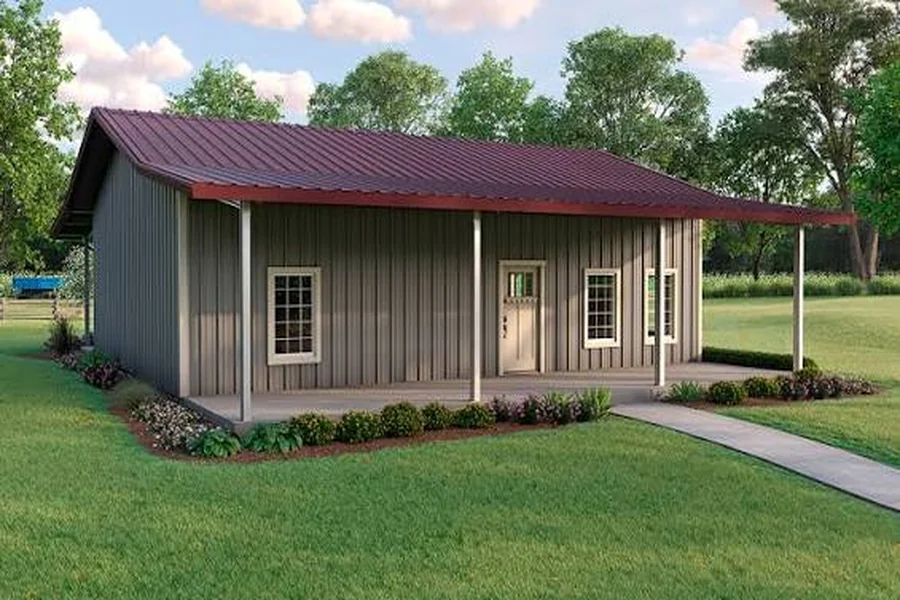
The purchase of a large industrial structure represents a major financial commitment for any business. Online access offers broader design choices, faster comparisons, and streamlined communication with suppliers. However, this convenience requires careful evaluation to avoid costly oversights or mismatched expectations.
A buyer who plans to invest in an industrial steel building must look beyond pricing alone and assess multiple technical and contractual factors. Structural integrity, compliance standards, and service transparency all play decisive roles in long-term value. This article reveals the critical checkpoints that separate confident decisions from expensive regret.
Verify Supplier Reputation and Technical Support
A supplier’s market history and customer feedback offer vital insights into their reliability. Seek independent reviews and case studies that detail completed projects similar in scope to the planned build. Confirm the availability of in-house engineering staff to answer technical questions before and after the sale.
The company should provide clear channels for direct communication, not just an online form. A reputable firm stands behind its designs with stamped engineering plans for local permit approval. This foundational step ensures the buyer partners with a knowledgeable and accountable provider.
Confirm Local Building Code Compliance
All structural designs must adhere to the specific regulations of the building’s destination. Snow load, wind speed, and seismic zone requirements vary dramatically between geographic regions. The supplier must guarantee their engineering meets or exceeds the codes for the exact delivery zip code.
Purchase orders should include a clause that specifies this compliance as a condition of the sale. Buyers need this assurance to avoid permit rejections from their municipal authority. Code-compliant plans are a non-negotiable element for any legitimate building package.
Scrutinize Material Specifications and Warranty Terms
The quoted price should include a complete and detailed breakdown of all material gauges and finishes. Key components include the primary frame steel thickness, roof and wall panel gauge, and the type of corrosion-resistant coating. Compare the warranty length and coverage for panels, paint finishes, and structural components across different suppliers.
Longer warranty periods indicate a manufacturer’s confidence in their product’s durability. Clarify what actions or installation errors could void the warranty protection. Transparent specifications prevent the delivery of lighter-gauge, inferior substitutes.
Clarify the Complete Delivery and Scope of Supply
A precise delivery list prevents unexpected shortages that can halt an entire construction project. The checklist must account for every primary frame component, panel, fastener, trim piece, and anchor bolt. Verify whether the price includes delivery to the job site or stops at a freight depot nearby.
Understand the lead time from final payment to the shipment date for accurate project scheduling. Request a detailed bill of materials and assembly manual for review before the product ships. A comprehensive shipment is essential for an efficient, frustration-free build.
Review Assembly Options and After-Sales Service
Buyers must decide between self-assembly, a local crew, or a recommended installer from the supplier. If the supplier offers an installation referral, request references from past clients who used that service. Confirm the availability and cost of technical support via phone during the erection process.
Ask about the process for handling any missing or damaged parts upon delivery. Clear terms for after-sales support provide crucial assistance when unexpected questions arise. The build phase relies on this support structure as much as on the physical materials.
Careful online evaluation transforms steel structure purchases into confident investments rather than uncertain risks. Each checkpoint strengthens decision accuracy and protects operational objectives. A well-chosen industrial steel building reflects foresight, technical awareness, and disciplined planning. Strategic assessment ensures durability, compliance, and value long after installation completion.