
Transforming 3D Asset Creation with Next-Generation AI
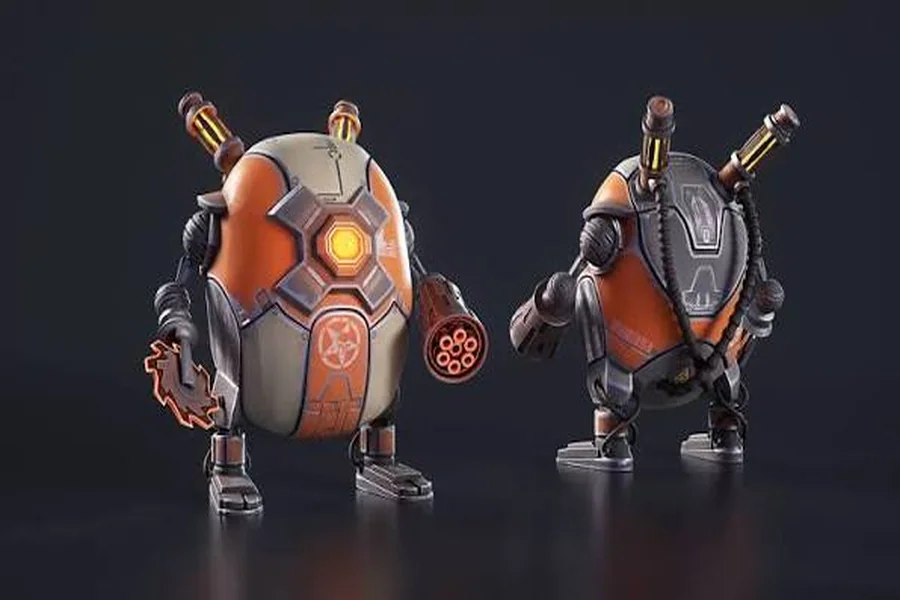
The landscape of digital content creation is experiencing a profound paradigm shift, driven by rapid advancements in artificial intelligence. Historically, generating high-quality 3D assets required hundreds of hours of manual polygonal modeling, complex UV unwrapping, and meticulous texture painting across specialized desktop software suites.
Game developers, industrial designers, and 3D printing enthusiasts frequently faced immense bottlenecks when attempting to rapidly prototype concepts or construct expansive digital environments. Traditional pipelines required specialized technical artistry, creating a steep learning curve for solo creators and small studios aiming to iterate efficiently. Today, generative AI platforms are dramatically compressing these production cycles from weeks into minutes.
By combining neural rendering techniques with intuitive web interfaces, modern tools allow creators to convert simple text prompts or 2D image references directly into fully realized 3D geometry. This technological evolution democratizes spatial design, enabling creators of all technical skill levels to rapidly generate production-ready models, experiment with complex visual styles, and streamline complete asset pipelines entirely within standard web browsers.
Unlocking Speed and Flexibility Across 3D Workflows
Meshy is one of the leading AI 3D model generators, offering a robust engine that turns creative ideas into detailed meshes instantaneously. Using an intuitive 3D model maker inside your browser, artists can effortlessly generate production-ready assets without installing heavy desktop software or configuring complex local hardware pipelines. The platform provides a generous free tier alongside flexible text and image generation modes, giving creators immediate access to powerful AI-driven mesh generation.
Designers can input single reference images or leverage multi-image input to dramatically improve structural accuracy and depth precision across intricate models. Beyond simple geometry, the platform features dedicated AI texturing and auto-rigging capabilities, making models instantly suitable for interactive media. Developers can seamlessly integrate these generative capabilities directly into custom game engines or enterprise workflows using developer API access, while the built-in free tool suite handles quick STL repair, file conversions, and web viewing smoothly.
How to Generate 3D Models in 4 Simple Steps
- Choose Your Generation Mode: Open the browser-based workspace and select either Text-to-3D or Image-to-3D mode depending on your project requirements and reference materials.
- Input Prompts or Upload Images: Provide descriptive text prompts specifying style and detail, or upload reference images (utilizing multi-image input for higher geometric fidelity).
- Apply AI Texturing and Auto-Rigging: Refine your model by applying custom PBR texturing prompts or enabling automatic rigging for instant character movement and animation readiness.
- Export in Your Preferred Format: Preview your finalized model in the online viewer, perform quick STL repairs if printing, and export your asset in STL, OBJ, GLB, or FBX formats.
Streamlining Game Development and 3D Printing Pipelines
Indie game studios and rapid prototyping teams benefit immensely from automated 3D mesh pipelines. Instead of spending days crafting background props, environmental decor, or base character meshes, artists can quickly generate functional low-poly or high-poly models using simple text prompts.
The ability to export in industry-standard formats such as FBX, GLB, OBJ, and STL ensures smooth interoperability with popular game engines like Unity and Unreal Engine, as well as digital slicers for physical 3D printing. Furthermore, full export format coverage means creators never hit compatibility walls when transitioning assets across different rendering pipelines. By automating repetitive texturing and base modeling steps, studios can dedicate more creative energy to refining gameplay mechanics, environmental storytelling, and level design.
The Power of Multi-Image Input and Automated Tooling
One of the primary challenges in AI 3D generation is achieving true dimensional accuracy from flat references. Single-image generation often requires the neural network to infer unseen angles, which can result in geometric artifacts on the back surfaces of complex models. By supporting multi-image input, modern platforms allow users to supply front, side, and back reference photos to guide the mesh synthesis process precisely.
This multi-angle alignment dramatically improves mesh symmetry and surface detail, producing high-fidelity assets for mechanical components and character designs. Additionally, built-in browser tools like automated mesh repair and format conversion eliminate the need to launch third-party modeling software just to inspect, fix, or re-export a generated file, creating a unified, frictionless design workspace.
Frequently Asked Questions (FAQs)
What features are included in Meshy’s free tier?
The free tier provides full access to the browser-based workspace, allowing users to test Text-to-3D, Image-to-3D, and the free tool suite without financial commitment.
Does Meshy require powerful graphics hardware or desktop installation?
No, it is fully browser-based, handling all complex AI computation on cloud infrastructure so you can generate assets on standard laptops or devices.
Which file formats are supported for exporting generated 3D models?
The platform supports full export format coverage, including STL for 3D printing, alongside OBJ, GLB, and FBX for game engines and rendering software.
How does multi-image input improve 3D model accuracy?
Multi-image input provides the AI with multiple reference angles, allowing it to reconstruct depth, back-side details, and complex proportions with significantly higher fidelity.
Can developers integrate Meshy’s AI generation capabilities into custom applications?
Yes, developer API access is available, enabling teams to build automated 3D asset generation directly into custom software, web tools, or game pipelines.
Conclusion
Generative AI has officially ushered in a new era of 3D asset creation, bridging the gap between imaginative concepts and production-ready digital assets. By replacing tedious manual workflows with intuitive text and image generation modes, platforms like Meshy empower artists, game developers, and 3D printing enthusiasts to iterate at unprecedented speeds. With full export format coverage, multi-image input precision, automated texturing, and accessible developer APIs, creating immersive 3D content has never been more straightforward or accessible.