
Weed Vape: Technology, Device Design, Safety, and Regulatory Considerations
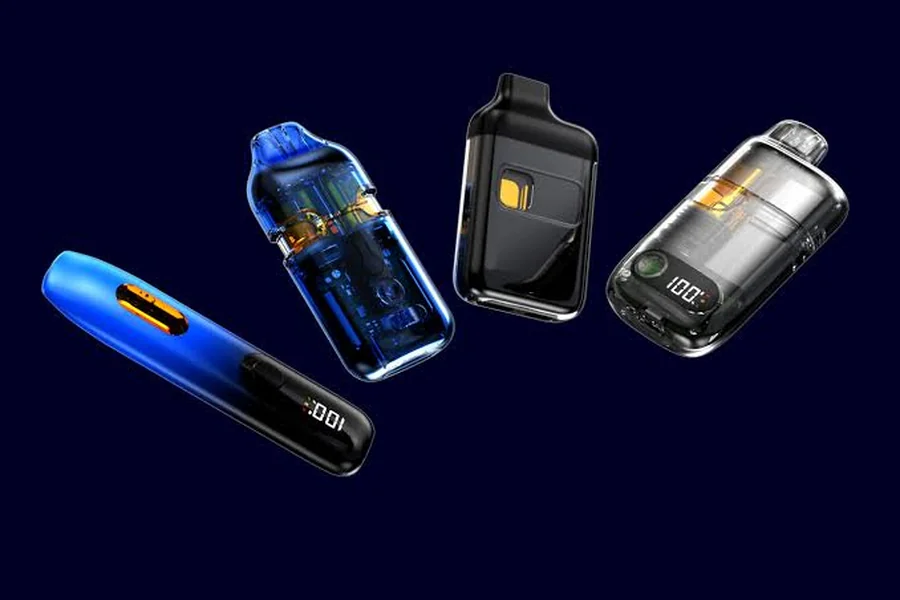
The term weed vape is often used as a broad search phrase for vaporising devices associated with cannabis, but the technology behind these products is considerably more sophisticated than the name suggests. Modern vaporisation hardware can involve precision heating systems, temperature sensors, rechargeable power cells, specialised chambers, airflow engineering, and electronic control boards. Understanding those components is useful when evaluating product quality, particularly because different devices can be designed for dry botanical material, oils, cartridges, or regulated medicinal applications.
The terminology also creates confusion. A device marketed online as a “weed vape” is not necessarily the same type of product as a regulated medicinal-cannabis vaporising device, and availability in another country does not automatically establish that a product can legally be imported, advertised, or supplied in Australia. In Australia, the Therapeutic Goods Administration (TGA) regulates vaping goods within a national framework, while medicinal-cannabis vaping devices have specific requirements concerning their intended representation, quality, safety, and performance.
For that reason, evaluating a weed vape should involve more than looking at appearance, battery capacity, or a list of advertised features. The more meaningful questions concern the device’s construction, heating architecture, material quality, battery engineering, manufacturer documentation, and applicable regulations.
Understanding the Technology Behind a Weed Vape
A modern vaporising device is essentially a compact thermal system. It takes electrical energy from a battery, converts that energy into heat through a heating element, and manages the resulting thermal environment using electronic controls. The chamber, airflow pathway, temperature sensor, and mouthpiece then work together to control how heated material-derived aerosol travels through the device.
That process sounds simple, but maintaining consistent thermal conditions inside a small portable enclosure is technically demanding. Heat can move through the chamber differently depending on the materials used, airflow can alter thermal behaviour, and battery voltage can influence heater output. Manufacturers therefore need to balance several variables simultaneously rather than simply installing a heater and battery inside a casing.
This is where the difference between an inexpensive device and a well-engineered product can become apparent. A high-quality design generally considers the entire thermal system rather than treating each component as an isolated feature.
Conduction, Convection, and Hybrid Heating
Heating architecture is one of the most important technical differences between vaporisers. Conduction heating uses direct contact with a heated surface, whereas convection heating relies primarily on heated air to transfer thermal energy. Hybrid systems incorporate characteristics of both.
Conduction systems can be compact and relatively straightforward, but the manufacturer must manage heat distribution carefully. If the chamber develops significant temperature differences, the thermal environment may become inconsistent.
Convection systems use airflow as part of the heating process, which introduces another engineering variable. The heater, airflow pathway, chamber geometry, and control electronics need to operate together effectively.
Hybrid systems attempt to combine these approaches. However, a hybrid design is not automatically superior. Implementation matters more than terminology, and a well-engineered simple system can outperform a poorly engineered complex one.
Temperature Control Is More Than a Display
Temperature control is frequently promoted as one of the most important features of a weed vape, but buyers should look beyond the numbers shown on a display.
A device can advertise numerous temperature settings without actually maintaining those temperatures with high consistency. Sensor placement, heater response, airflow, battery output, chamber materials, and firmware can all influence thermal stability.
A better evaluation asks whether the manufacturer explains how its temperature-management system works. Is the sensor positioned appropriately? Does the device adjust power dynamically? Is there credible technical documentation? Does the manufacturer provide meaningful information about the heating architecture?
The central concept is thermal consistency, not simply a large numerical range.
Chamber Construction and Material Selection
The chamber is one of the most important physical components because it is where heat interacts with the material placed inside the device. Chamber geometry, material, insulation, and heater positioning all contribute to the device’s thermal characteristics.
Manufacturers may use materials such as stainless steel or ceramic in different parts of the heating system. Each has different physical characteristics, but material choice should not be viewed in isolation.
A ceramic chamber does not automatically make a device superior, and stainless steel does not automatically indicate an inferior design. What matters is whether the material is appropriate for the specific application and whether the entire chamber has been engineered effectively.
Product pages that provide specific material information are generally more useful than pages relying on vague phrases such as “premium quality” or “advanced chamber technology.”
Airflow Engineering Deserves More Attention
Airflow is sometimes overlooked because it is not as visually impressive as a digital display or polished metal housing. Yet it is an essential part of the vaporiser’s engineering.
The airflow pathway determines how air moves through the heating area and toward the mouthpiece. Internal passage dimensions, chamber geometry, seals, bends, and cooling sections can all influence how the system behaves.
An overly complicated airflow pathway may also create maintenance challenges. Residue can accumulate in narrow passages, while removable components may eventually require replacement.
When comparing products, therefore, look at airflow design alongside the heating system rather than treating it as an unrelated feature.
Battery Engineering and Portable Performance
Portable vaporisers depend heavily on battery technology. Heating requires electrical power, so manufacturers have to balance battery capacity with device size, weight, current delivery, charging requirements, and thermal management.
A large battery capacity may look impressive on a specification sheet, but capacity alone does not determine practical performance. Power efficiency and heater requirements also influence how long a device can operate between charges.
Battery safety should receive particular attention. Buyers should use the manufacturer’s recommended charging equipment and follow the manufacturer’s safety instructions. Devices with unclear battery specifications, questionable charging hardware, or poorly documented electrical systems warrant additional caution.
A reliable product should provide clear information about its battery and charging system rather than leaving users to guess.
Portability Versus Performance
Small devices are attractive because they are convenient to store and transport, but miniaturisation creates engineering compromises.
A manufacturer has limited physical space for the battery, heater, chamber, electronics, insulation, and airflow system. Reducing the overall dimensions can therefore mean reducing battery capacity or limiting room for heat management.
Larger portable devices may provide more room for those components, but they can be less convenient. There is no universally correct size.
The right design depends on priorities. A buyer who values compactness may prefer a smaller architecture, while someone prioritising battery endurance or sophisticated thermal management may accept a larger device.
Build Quality Is a Long-Term Consideration
A vaporiser should not be judged solely by how it feels when it is first removed from the packaging. Long-term reliability is much more important.
Examine the construction of the housing, controls, mouthpiece connection, charging port, chamber, seals, and removable components. Manufacturers that provide detailed warranty information and replacement parts generally offer a more dependable ownership proposition than sellers that provide little support after purchase.
This becomes particularly important because vaporisers combine electrical, thermal, and mechanical components. Any one of these systems can eventually require servicing or replacement.
A sensible buyer should therefore ask:
Can this product be maintained, supported, and repaired over time?
That question is often more valuable than asking which model has the most features.
Evaluating Online Weed Vape Product Listings
Online product descriptions can be persuasive, but they should be treated as marketing material until individual claims are verified.
A strong product listing should provide information such as:
- Exact model and manufacturer
- Heating architecture
- Chamber materials
- Battery specifications
- Charging method
- Dimensions and weight
- Warranty information
- Replacement components
- Intended purpose
- Applicable regulatory information
Be cautious with unsupported terms such as “medical grade,” “TGA approved,” “pure,” or “professional.” Such terminology can have specific implications and should not be accepted simply because it appears on a retailer’s product page.
For medicinal-cannabis devices in Australia, the TGA states that manufacturers need evidence demonstrating compliance with applicable safety and performance requirements.
That is considerably more meaningful than a promotional claim printed on packaging.
The Australian Regulatory Environment
Anyone searching for weed vape Australia needs to understand that Australian regulation is substantially different from the rules in many overseas markets.
The TGA states that the Therapeutic Goods and Other Legislation Amendment (Vaping Reforms) Act 2024 established a national framework regulating the importation, domestic manufacture, supply, commercial possession, and advertising of vaping goods.
This means an overseas website selling a product does not automatically establish that the same product can legally be imported or supplied in Australia.
The regulatory question depends on the product’s classification, intended purpose, representation, and supply pathway. Current Australian Government and TGA information should therefore be checked whenever legal status is relevant.
Medicinal Cannabis Vaporising Devices
Medicinal cannabis is subject to a specific regulatory framework. The TGA explains that medicinal-cannabis vaping devices are medical devices and that manufacturers must satisfy applicable requirements before these products can generally be supplied in Australia.
The regulator also makes an important distinction regarding product representation. A medicinal-cannabis vaping device must be represented as being for administering medicinal cannabis and cannot be represented as a device for administering general dry herbs.
This distinction is particularly relevant for businesses publishing SEO content around terms such as weed vape, dry herb vaporizer, and weed vape Australia.
Using these terms does not automatically mean that a product is a medicinal device, nor does it establish that a particular device is approved for therapeutic use.
Currently Approved Medicinal Cannabis Devices
The TGA’s current information on approved medicinal-cannabis vaping devices lists products including the SyqeAir Inhaler, Mighty+ Medic, Volcano Medic 2, and Grenco Medical Elite II. The TGA states that these devices are included in the ARTG and have been approved for quality, safety, and performance.
This demonstrates why regulatory verification matters. Product pages can change quickly, but official regulatory databases and TGA resources provide a much stronger basis for claims about approval.
Patients using prescribed medicinal cannabis should discuss appropriate devices and compatibility with their doctor, nurse practitioner, or pharmacist rather than relying on generic online product recommendations.
Don’t Confuse Medical Approval With Product Marketing
One of the most common problems in the vaporiser market is the use of medical-sounding terminology without sufficient context.
Words such as “clinical,” “medical,” “therapeutic,” and “approved” can create an impression that a product has undergone regulatory assessment when that may not be the case.
Australian consumers should therefore distinguish between:
Manufacturer claims: statements made by a company about its product.
Technical specifications: measurable information about how the device is constructed.
Regulatory approval: formal recognition under the applicable Australian regulatory framework.
These are three different things.
A professional product review should never treat them as interchangeable.
Weed Vape Versus Conventional Vape Devices
The term weed vape can create confusion because “vape” describes a broad category of technologies.
Conventional electronic cigarettes generally involve a liquid formulation, while dry-herb devices are designed around solid botanical material. Other products may use cartridges or other delivery formats.
The physical architecture can therefore be very different. A dry-herb device needs a chamber and heating system appropriate for solid material, while a cartridge-based system requires a different connection and heating arrangement.
The regulatory framework can also differ depending on the product and intended purpose. Australian content should therefore avoid treating all vaping products as one category.
Maintenance and Long-Term Ownership
Maintenance is one of the least exciting parts of buying a vaporiser, but it can have a significant effect on long-term usability.
Components exposed to heated material can accumulate residue. Mouthpieces, screens, chambers, and airflow pathways may require cleaning or replacement depending on the manufacturer’s design.
Before purchasing, check whether the manufacturer provides maintenance documentation and whether replacement parts are available.
A device that is slightly more expensive but supported by an established replacement-parts ecosystem can provide better long-term value than an inexpensive product that becomes difficult to maintain.
Follow the manufacturer’s instructions for cleaning and maintenance, and never expose electrical components to liquids unless the manufacturer specifically permits it.
How to Judge Whether a Product Is Well Engineered
Instead of asking which weed vape is “best,” evaluate the product according to several engineering criteria.
Heating: Is the architecture clearly explained?
Temperature control: Does the manufacturer provide meaningful information about thermal regulation?
Materials: Are chamber and vapour-path materials identified?
Battery: Are capacity, charging, and safety information clearly documented?
Maintenance: Can relevant components be cleaned or replaced?
Support: Is there a genuine warranty and customer-support structure?
Regulation: Is the intended use compatible with Australian requirements?
This approach eliminates much of the noise created by aggressive marketing.
The most expensive product is not necessarily the best, and the cheapest is rarely the best value simply because it costs less. Evidence is more useful than hype.
What the Future Holds for Vaporiser Technology
Vaporiser technology continues to evolve through improvements in sensors, battery management, heating elements, electronics, and materials. Manufacturers are increasingly able to fit sophisticated control systems into compact devices.
At the same time, Australia’s regulatory environment is pushing regulated products toward stronger documentation and quality controls. The TGA provides industry guidance concerning quality-management systems, technical documentation, and safety and performance requirements for medicinal-cannabis vaping devices.
This combination of technological development and regulatory oversight could lead to a market where engineering transparency becomes increasingly important.
Future buyers may therefore see greater emphasis on traceability, verified specifications, battery safety, thermal control, replacement support, and regulatory compliance rather than purely cosmetic features.
Conclusion
A weed vape is not simply a small electronic gadget with a battery and heating element. Modern vaporising devices combine thermal engineering, electronics, materials science, airflow management, and battery technology into a compact system. Evaluating one properly requires looking beyond temperature numbers and attractive product photography.
For Australian consumers, regulation adds another essential consideration. The TGA maintains a strict framework for vaping goods and separately regulates medicinal-cannabis vaping devices, with approved medicinal devices listed through the ARTG.
The most sensible approach is to evaluate heating architecture, thermal consistency, chamber materials, battery engineering, build quality, maintenance, manufacturer support, intended purpose, and regulatory status together. That provides a much more reliable basis for assessing vaporising technology than simply choosing the product with the biggest feature list.