
What Homeowners Expect From Smart Locks Heading Into 2026
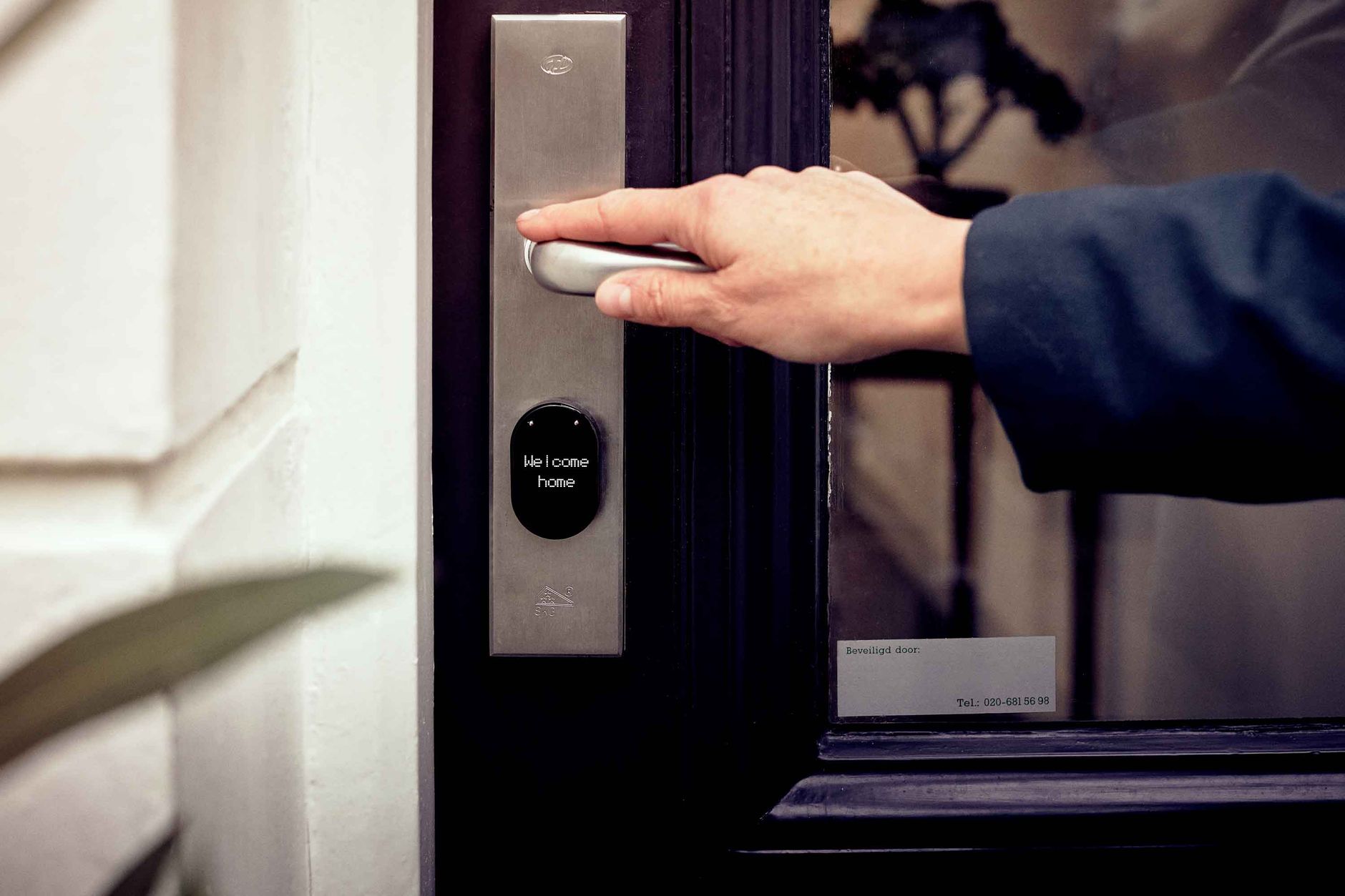
By 2026, most people expect smart locks to have additional functions beyond just replacing traditional keys. They expect dependable entry, clear control, and useful alerts without turning every arrival into a technical task. Battery life, privacy, backup options, and installation fit now matter as much as fingerprints or phone apps.
The best options let people go about their regular lives as usual while also facilitating rapid responses to shared access needs, unexpected visitors, and other disruptions.
Homeowners comparing innovative smart lock products usually begin with the entry methods they will use most. A keypad suits family routines, while fingerprint recognition can reduce dependence on phones. Though a remote control helps with deliveries or repairs, a physical key or interior thumb turn remains valuable during outages. Buyers should also check for door thickness, latch measurements, battery warnings, and permissions before choosing a model.
Dependable Access Every Day
Convenience remains a major reason people consider a connected lock, but it also depends on consistent performance. Residents want doors to respond quickly after repeated use, even during busy mornings or late arrivals.
Keypads should be able to register entries without excessive retries. Fingerprint sensors need reliable recognition across different users. Even when the battery dies or the network goes down, the phone-based control should still be able to do its job.
A strong purchase also includes clear status signals. Audible prompts, indicator lights, and phone notifications can confirm whether the door locked properly. These details prevent uncertainty after leaving home.
Better Control for Shared Entry
Many households need to give temporary access to relatives, cleaners, pet sitters, or repair workers. Smart locks can simplify that process by replacing copied keys with individual codes or digital permissions.
Each person should receive a separate credential whenever possible. Individual records make it easier to see who entered and when. They also allow a homeowner to remove one person’s permission without changing every other code.
However, temporary credentials should have time limits. A delivery worker may need access for one afternoon, while a family member may require ongoing entry. Clear controls reduce forgotten permissions and improve household security.
Privacy Becomes a Buying Factor
Connected entry systems can collect information about door activity, user credentials, and phone connections. Homeowners in 2026 are likely to examine how that information is stored and protected.
Before purchase, buyers should review account recovery, notification settings, and data-sharing policies. Strong passwords and separate user profiles also reduce unnecessary exposure.
Biometric features deserve careful consideration. Fingerprint or facial recognition can speed up entry, but residents may prefer keypad access if they want less personal data connected to the lock. A useful system should offer choice rather than require one method.
Backup Plans Matter
Electronic entry can be disrupted by a number of things, including power outages, dead batteries, network problems, and lost phones. A dependable lock therefore needs a practical fallback.
Emergency power contacts, mechanical keys, interior thumb turns, and visible low-battery warnings all deserve attention. Buyers should learn how the backup method works before installation, not during an urgent situation.
Battery replacement should also be simple. A lock that requires unusual tools or complicated disassembly can create avoidable delays. Regular checks, especially before travel or severe weather, help keep the door ready.
Fit, Strength, and Installation
A smart lock cannot provide reliable protection if it fits poorly or weakens the door. Homeowners should measure the backset, door thickness, strike position, and clearance around the frame.
Exterior materials should suit local conditions. Moisture, dust, temperature changes, and frequent handling can affect long-term operation. Product instructions should identify suitable door types and mounting requirements.
Installation quality matters as well. Misaligned bolts can drain batteries, create noise, or prevent complete locking. After installation, residents should test every entry method, confirm automatic locking, and verify alerts from inside and outside the home.
Conclusion
Homeowners entering 2026 expect smart locks to combine convenience with dependable protection. The best choice supports several entry methods, records useful activity, protects personal information, and offers a clear backup plan. Fit and installation deserve equal attention, since electronic features cannot correct a misaligned door.
By comparing daily needs, household permissions, battery performance, privacy controls, and emergency options, residents can select a lock that remains practical long after the initial installation.