
What to Expect During a Medical Detox Program
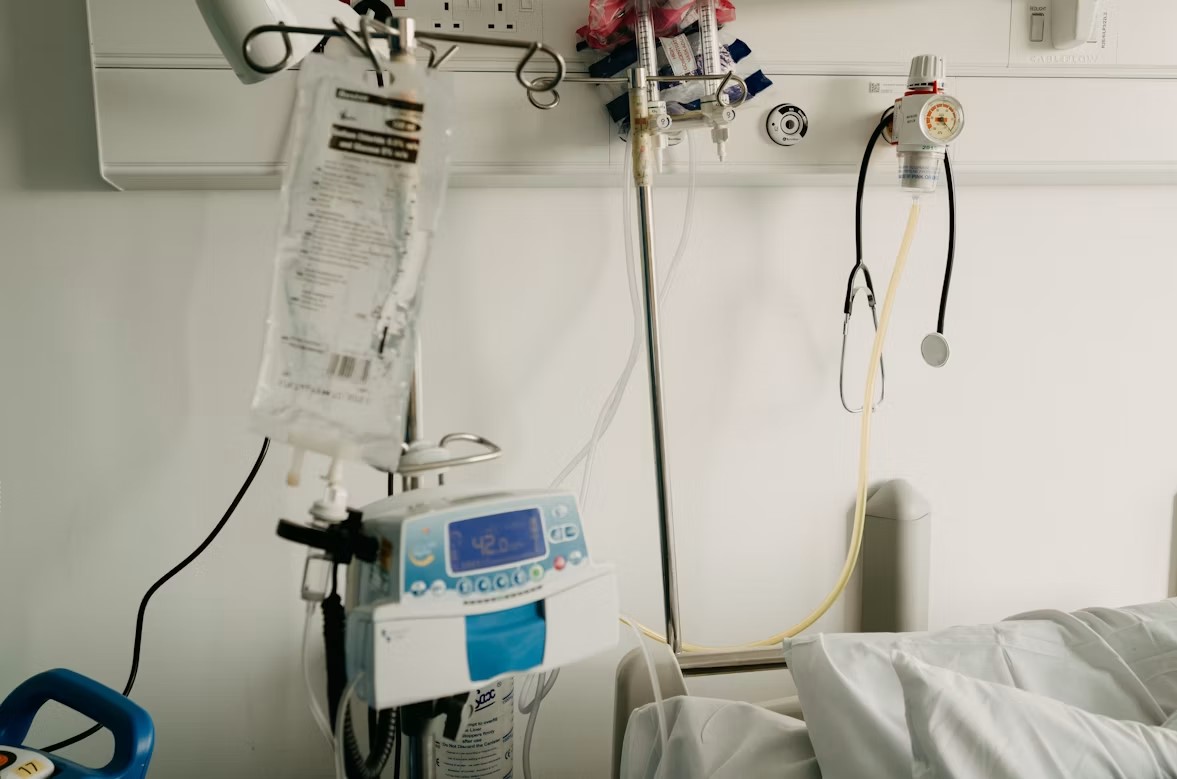
Entering a clinical environment to clear substances from your body represents a major milestone. People often feel uncertain about what happens behind the clinic doors. Knowing what to expect can ease some of the standard anxieties.
This article walks through the daily routine, medical support, and typical timelines of a standard stabilization program. You will learn how clinical staff maintain your physical comfort during this critical transition. Let us look at how these systems operate on a practical level.
The First Step of a Health Journey
Making the choice to seek help requires a lot of personal strength. Selecting an inpatient recovery care facility allows people to begin their journey with professional assistance. This structured environment helps people manage the initial physical challenges of sobriety.
Patients enter a quiet, secure space designed solely for physical stabilization. The surroundings are quiet, clean, and free from outside stressors. This isolation from daily triggers lets the body rest.
Staff members coordinate closely to offer peace of mind. Individuals do not have to worry about chores or work responsibilities. This focus on healing sets the stage for long-term recovery. The daily schedule is organized to support physical rest above all else.
The Initial Intake Assessment
Upon arrival, patients undergo a thorough medical evaluation. Staff members collect detailed information regarding substance use patterns, medical history, and mental health status. This assessment serves as the blueprint for the entire stay.
Clinicians use these details to design a custom treatment plan. They check blood pressure, heart rate, and other health markers. The goal is to identify any potential complications before they arise.
Patients get to ask questions about their upcoming stay, too. This conversation helps establish trust between the medical team and the individual. Knowing who will supervise your stay makes the process feel much more manageable.
Round-the-Clock Medical Monitoring
Once the program begins, patient safety remains the primary focus. Clinical workers maintain a constant presence on the unit to track progress. One rehabilitation report notes that nurses and physicians monitor physical metrics, hydration levels, and general health conditions throughout the process.
This constant observation allows staff to adjust treatment protocols immediately. If blood pressure spikes or dehydration becomes a threat, the team intervenes. This level of supervision cannot be replicated in a home setting.
The clinical environment is designed to minimize physical strain. Medications are administered as needed to keep symptoms within a safe range. Every decision is backed by scientific protocols to keep the patient stable.
Managing Withdrawal Symptoms Comfortably
Withdrawal can be highly uncomfortable, both physically and mentally. A popular recovery resource highlights that undergoing detoxification in a dedicated facility offers numerous safety and comfort benefits compared to attempting it at home. Experienced clinicians understand how to mitigate symptoms using targeted medications.
Patients receive prescription support to ease muscle aches, nausea, and severe anxiety. This medical intervention transforms a potentially agonizing process into a controlled, tolerable experience.
Quiet areas, comfortable beds, and nutritious meals support the recovery process. Staff members handle all meal preparation and housekeeping, allowing patients to focus entirely on physical rest. This structured comfort makes a significant difference in long-term success.
Typical Timeline for Detox Completion
The duration of physical stabilization depends on several variables. An addiction research publication states that clinical detoxification usually takes 3 to 7 days, but the exact timeframe varies based on unique patient requirements. Certain factors directly influence how long a patient will stay in the program.
These factors include:
- The particular type of substance cleared from the system
- The duration and frequency of prior substance use
- The presence of co-occurring medical conditions
- The physical metabolism of the individual patient
As the body processes the remaining toxins, symptoms gradually peak and then fade. Most patients feel a marked improvement by the fourth day. By the end of the week, physical stability is usually restored.
Preparing for Post Detox Treatment
Completing physical stabilization is a major milestone, but it is only the beginning. Toxins are cleared from the body, but the underlying behavioral patterns require deeper work. Case managers work with patients to plan the next phase of care.
This planning helps provide a smooth transition to residential rehabilitation or outpatient therapy. Entering therapy immediately after clearing the system reduces the risk of relapse. The clinical team helps arrange transportation and program placement.
Leaving the facility with a clear plan provides a sense of security. Patients know exactly where they are going and what steps to take next. This continuity of care is critical for sustaining long-term recovery. A solid plan keeps individuals focused on their long-term health goals.
Taking the first step toward clinical stabilization can feel overwhelming, but the actual experience is highly structured and supportive. From the initial medical assessment to round-the-clock observation, every element is designed to prioritize patient safety and physical ease. By choosing a professional path, individuals protect their health and gain a solid foundation for future therapy.