
When a Minor Car Accident May Require Legal Help
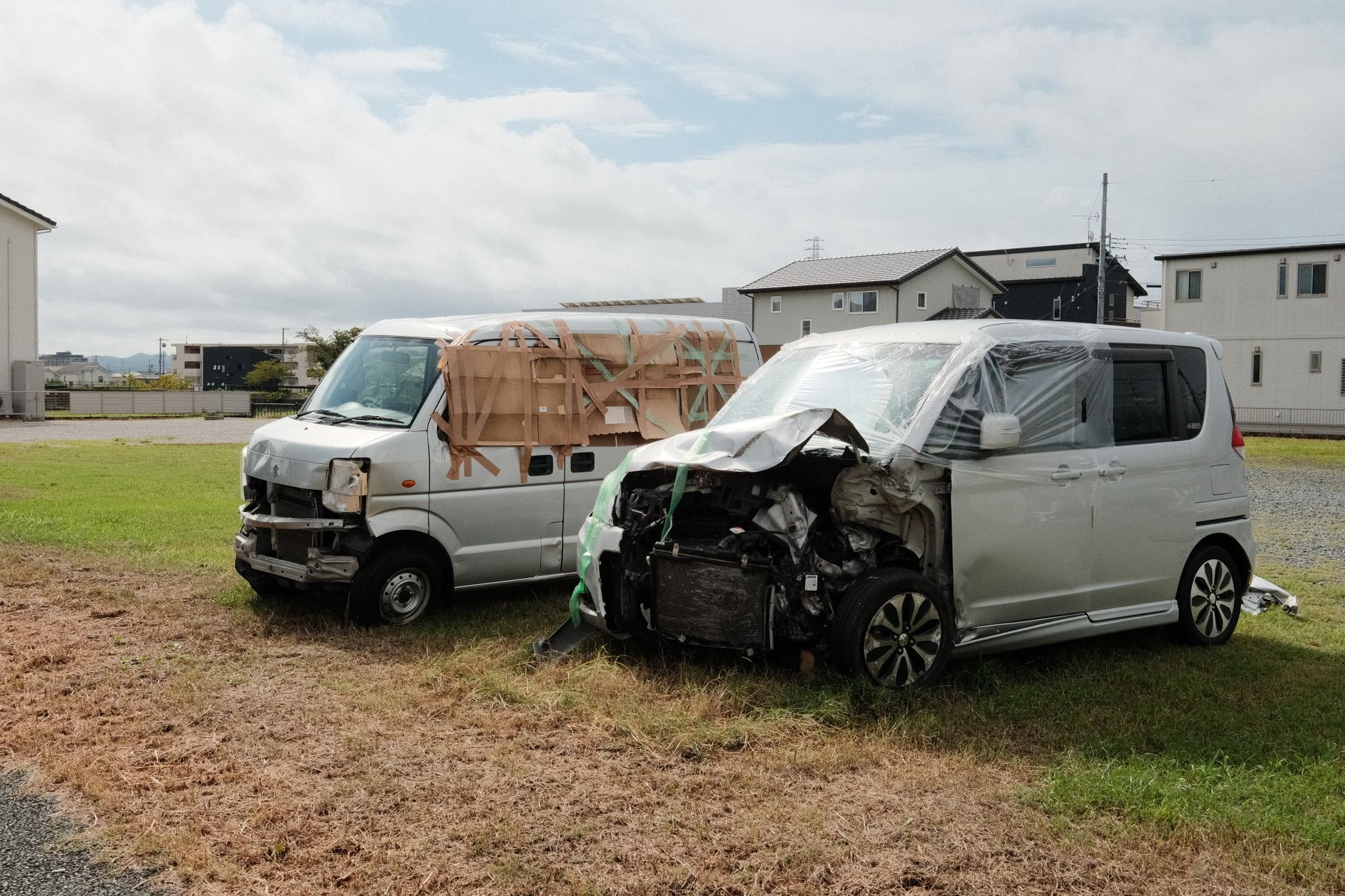
A minor car accident can seem simple when the vehicles have limited damage and everyone leaves the scene safely. However, problems can appear days or weeks later. If you are wondering when to seek legal help after a car accident, it helps to know the warning signs before accepting an insurance payment or closing your claim. Even a low-speed collision can involve injuries, disputed fault, repair costs, or insurance problems that make legal guidance useful.
Not Every Minor Crash Is Truly Minor
People often judge an accident by looking at the vehicles. A dented bumper, cracked light, or scratched door may not seem serious. Injuries, however, are not always obvious immediately after a collision.
Neck pain, back pain, headaches, stiffness, and other symptoms can develop after the initial shock wears off. The National Highway Traffic Safety Administration advises people involved in a crash to seek immediate medical attention even when they believe they are not injured. NHTSA’s seat belt and crash safety guidance
This does not mean every minor accident requires an attorney. It does mean that visible vehicle damage should not be the only factor used to decide whether an accident deserves further attention.
Injuries Can Change the Claim
A minor crash can lead to medical expenses, missed work, physical discomfort, or a need for follow-up treatment. Once an injury becomes part of the situation, the claim becomes more complicated than simply getting a vehicle repaired.
Medical records can help document what happened after the collision and how an injury affected your daily activities. Keep copies of medical bills, treatment records, prescriptions, receipts, and other documents connected to the accident.
It can also help to keep a simple record of symptoms and missed work. Details that seem unimportant at first may become useful later when explaining the effect of an injury.
Insurance Companies May Disagree About Fault
Determining who caused a collision is not always straightforward. Each driver may have a different account of what happened. A disagreement can become more difficult when there are no witnesses or when important evidence is missing.
Photos from the scene, vehicle damage, traffic signals, road conditions, witness information, and an accident report may help establish what happened. If another driver claims you caused the crash, or an insurance company disputes responsibility, speaking with a lawyer may help you understand your options.
You should also be careful about making statements that could be misunderstood. Provide accurate information, but avoid guessing about facts you do not know.
A Settlement Offer May Not Tell the Whole Story
After a collision, an insurance company may offer money to resolve the claim. A quick payment can sound appealing, especially when the accident initially appears minor.
Before accepting a settlement, consider whether you know the full extent of your losses. If medical treatment is still ongoing, you may not know the total cost of care. You may also have additional losses involving income, transportation, medication, or other accident-related expenses.
Depending on the circumstances, accepting a settlement and signing a release may affect your ability to seek additional compensation for the same losses. Getting legal advice before signing documents can help you understand what you are agreeing to.
Vehicle Damage Can Be More Complicated Than It Looks
A vehicle can have damage that is not immediately visible. A bumper may appear repairable while components behind it have also been affected. Even when the vehicle remains drivable, a professional inspection may reveal additional problems.
Take photographs of the vehicle from different angles and save estimates, repair invoices, towing bills, rental car records, and other related documents. The Federal Trade Commission recommends getting written repair estimates and keeping documentation of transactions, expenses, dates, and other details when dealing with auto repairs. Federal Trade Commission auto repair guidance
If an insurer disputes the cost of repairs or the extent of the damage, these records may help show what happened and what the repairs involved.
Certain Situations Deserve Extra Attention
Some circumstances can make a low-speed collision more difficult to resolve. For example, the other driver may have no insurance, several vehicles may be involved, or the drivers may disagree about how the accident happened.
A crash involving a commercial vehicle, rideshare vehicle, or uninsured driver may also raise additional insurance and liability questions. The same can be true when a passenger is injured or when a child was present in the vehicle.
The important point is that every accident is different. The amount of visible damage does not always tell you how complicated the resulting claim may become.
Evidence Can Become Important Later
People sometimes assume that a minor accident will be resolved quickly, so they do not preserve evidence. That can create problems if the claim later becomes disputed.
When it is safe to do so, take photographs of the vehicles, roadway, signs, traffic signals, and visible injuries. Exchange insurance and contact information with the other driver. If witnesses are present, obtain their contact information if possible.
Keep emails, letters, text messages, repair estimates, medical records, and insurance communications in one place. A clear record can make it easier to explain what happened and respond to disagreements.
You should also avoid repairing or disposing of damaged vehicle parts before the damage has been properly documented when those items may be relevant to a disputed claim.
When Should You Talk to a Lawyer?
There is no single rule requiring every person involved in a minor accident to hire an attorney. A straightforward collision involving limited property damage may be handled directly with the insurance companies.
Legal advice may be worth considering when:
● You suffered an injury or symptoms developed after the accident.
● The other driver disputes fault.
● The insurance company denies, delays, or questions your claim.
● You receive a settlement offer before your treatment is complete.
● Medical expenses or lost income are significant.
● The other driver has little or no insurance.
● Several vehicles were involved.
● You are being asked to sign documents you do not fully understand.
A consultation can help you understand the claims process and identify issues that may otherwise be overlooked. Speaking with an attorney does not automatically mean that a lawsuit will be filed.
What to Do After a Minor Accident
Your first priority should be safety. Move to a safe location when possible and contact emergency services when necessary. Exchange information with the other driver and document the scene.
Seek medical care if you experience pain, discomfort, or other symptoms. Even if you feel fine immediately after the accident, pay attention to changes in your condition during the following days.
Notify your insurance company according to the requirements of your policy. Be accurate when describing the collision, and keep copies of documents related to your claim.
If the situation becomes disputed or more serious than expected, consider speaking with a qualified attorney before making decisions that could affect your legal rights.
A Small Collision Can Still Create a Serious Claim
The word “minor” can be misleading when describing a car accident. A collision with limited vehicle damage may still involve an injury, lost wages, disputed fault, or unexpected expenses.
The key is to look beyond the dents and scratches. Consider your health, financial losses, insurance coverage, available evidence, and how the other side is handling the claim.
When those issues become complicated, legal guidance can provide a clearer understanding of the choices available to you. Taking time to review your situation before accepting an insurance offer or signing a release can help you make an informed decision about how to move forward.