
Why Some Homes Always Feel Organized While Others Don’t
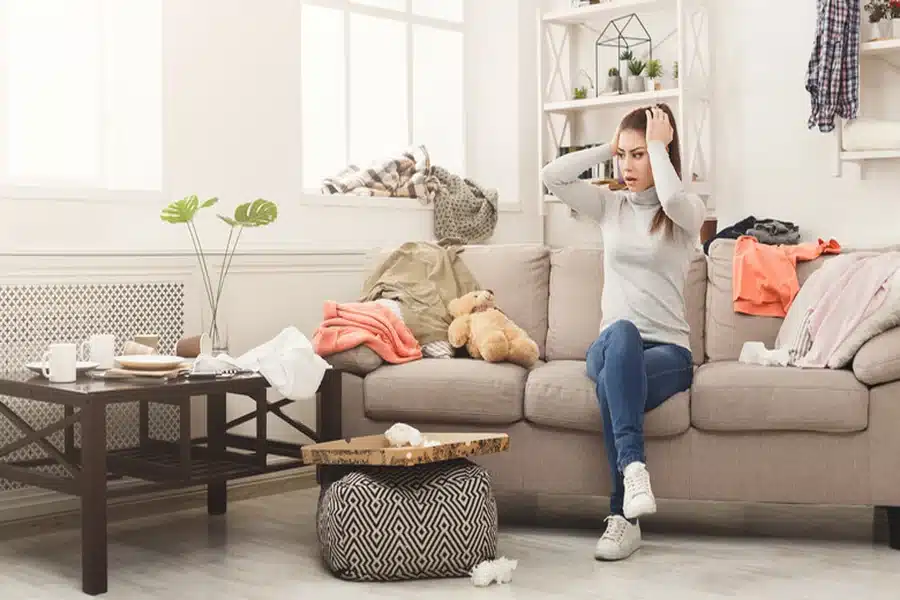
There are homes that feel organized the minute you walk in. Everything has a place and everything is clear. Life seems to occur without interruption behind those walls. But then there are homes in constant chaos and disarray, regardless of how often they’re cleaned. Tripping over kitchens where the counter feels like a black hole for random clutter, closets that overflow with pajamas, and things haphazardly in more places than one can count.
It’s not that one set of people has more time to clean than others. It’s not necessarily that one set has less stuff, although that can be helpful. But those homes that feel organized have something operating differently, intrinsically, about them. They possess storage solutions that work with reality instead of against it.
Storage That Works with Reality
Open a drawer in someone’s clean and organized home and it glides smoothly. It’s the right depth and the right size so nothing sits awkwardly. Open a drawer in a cluttered kitchen and it sticks. It feels cheaply made and requires more force than it should.
It shouldn’t matter as much as it does, but it does. When storage is difficult to use, people naturally avoid using it. Things accumulate on the counter because it’s not worth the effort to dig out that baking pan from an impossibly deep cabinet with all the pots and pans stacked on top of it. Eventually, clutter builds up, not because people are messy, but because the storage systems are working against them.
This is where quality drawer construction makes a genuine difference. Custom drawer boxes from companies such as Lovech are built to specific dimensions that actually match how people use their kitchens, rather than generic sizing that works adequately for everyone but perfectly for no one. When drawers glide smoothly, have appropriate depth, and maintain their quality over years of daily use, people actually use them consistently. And when storage gets used the way it should, homes stay organized without constant effort.
The homes that stay perpetually organized have figured this out, often without consciously realizing it. Their storage works with their daily routines. The cooking utensils drawer sits right next to the stove where it’s needed most. Keys have a designated spot that’s convenient enough that everyone actually uses it. All the spaces make intuitive sense, which naturally maintains organization without requiring exceptional discipline.
Everything Needs a Home
Clutter occurs when there isn’t an assigned space. A random pen ends up on the counter because the junk drawer is too full of junk. The mail piles up because there’s no sorting area for junk mail versus bills. The kitchen utensils go straight on top of the counter because all the kitchen drawers are too full of random items that have no real place anywhere else.
In organized homes there’s a clear understanding of everything needing a home and that home needing to make sense. This doesn’t mean proper labeling systems or color-coordination charts. It means having enough appropriated spaces available to put things where they intrinsically belong based on frequency of use and convenience.
Kitchens are prime examples. Kitchen utensils live where they get used most, a spatula sits upright next to the stove; cake pans sit adjacent to where someone bakes; Ziploc bags occupy enough space without being in prime real estate due to what they’re actually holding inside them if they even ever get used. This doesn’t require discipline, this requires practicality based on an appropriately generous division of space.
The cluttered kitchens boast great cabinets (and sometimes even too many), but again, it’s not the right configuration solution for it all. Deep cabinets that require everyone to dig in their heels to find even small Tupperware bottoms. Drawers too short for most utensils. Spaces too large encourage random things getting thrown together until nothing can be found in the cluttering mess.
Quality Not Quantity of Storage Solutions
We think more often than not that more is better. More space means more organization potential. Cluttered homes possess enough cabinet space, probably even too much. But the homes where organization reigns supreme possess storage solutions (although few) that truly work together.
A single well-constructed drawer made with solid wood will hold up years longer than an assemblage of three cheap drawers that fall apart after six months from wear and tear. Well constructed drawer boxes stay square, retain their integrity, and work smoothly for decades. Cheaply constructed drawer boxes warp, stick into angles they weren’t supposed to, fall off their tracks and eventually feel impossible to work well with unless someone settles for mediocreization.
Thus, quality matters in ways that aren’t always visible at first blush. Well constructed systems age better than poorly constructed ones yet those organized homes find themselves having well-constructed systems years after installation still seamlessly working for their organized ease.
The payoff is often reduced agitation of those systems made over time. There’s no daily hassle from a frustrating cabinet door that won’t shut completely or finding the big fat rubber glove from last year’s baking war taking up residence in a shallow drawer at an inconvenient angle across the room from the sink.
The less friction there is in putting things away in storage, the more likely people are to do it time and time again.
Visual Comfort
There’s something about organized homes being visually comforting as well. Clear countertops create a sense of peace; understanding where things are promotes mental ease; coming home to an organized oasis feels relaxing instead of overwhelming.
In cluttered homes, walking into any space expecting peace is triggering; it’s not so subtle stress that something has gone awry since all those pots are clanging and that coat has accidentally fallen off its hook yet again in the entrance way reminding us something is always undone or unkempt.
Even those who swear they’re comfortable with clutter admit they feel happier when things are nicer organized, it’s just something about how others create spaces despite their natural working patterns.
The organized homes seem to have visual comfort down pat without constant vigilance because they possess systems in place that allow putting things away easier than not. Thus this self-compounding dynamic helps keep everything at bay.
Maintenance of Systems
Yet storage systems help maintain daily organization but daily habits help ensure organization success over time. The homes consistently organized boast clear routines avoiding clutter as time goes by: sorting mail as soon as it comes in so it doesn’t pile up; putting dishes straight into the dishwasher upon finishing a meal instead of waiting until bedtime.
But these habits can only form if access is appropriate; if putting dishes away means opening a sticky cabinet with five different pans tumbling, people will keep wasting time piling them up instead. If there’s an easy access spot for mail but some bins to sort in one fell swoop, it becomes easier to access than putting them aside for another time.
Those homes that stay organized have found a way to access their systems so they coincide with lived-in patterns; they set up initially with bins based on what felt right over time before making those choices.
The mail system set up for needed sorting may not work if it’s awkwardly placed; the best drawer for all pieces may need expanding or contracting depending on usage patterns they’ve discovered once they’ve implemented them; over time an organized system has either happened subconsciously or intentionally for unknown reasons down the line.
Problematic Areas
All homes have areas where clutter compiles best: thresholds where possessions come in; kitchen counters where groceries get unloaded; bathroom counters where makeup gets applied day after day.
The organized homes recognize these problem areas and have enough time and awareness to compartmentalize: a small drawer system exists at an entrance way adjacent to doors where keys live; pullout options exist in bathrooms that keep countertops bare; strategic places in kitchens accommodate excessive items piling up through use over time.
There’s no wrong way of going about it as long as it appeals specifically to those systems through research down the line from patterns observed over time.
Those cluttered homes might ignore those areas or hope what’s good enough from a builder perspective will work for them: a coat rack that’s annoyingly inconvenient is useless; a small drawer that’s meant for everyday small items when too many book bags pile up isn’t enough compromise.
The organized homes have observed how they’ve lived and created storage that accommodates proximity needs.
Maintenance Reality
Maintenance goes along with any good idea but system upgrades aren’t needed when so much appropriate effort has been connected previously; it’s fine tuning like reorganizing drawers every now and then because scissors ended up next to cups or wallets crept into the bottom depths of a bag.
Dealing with pervasive clutter because people didn’t listen or didn’t try at all takes days on end for recategorization instead.
The organized homes also appreciate solutions that stand across years just fine; cheap solutions develop problems making it harder to organize; good construction lends itself through quality refinements in which every piece works properly without extremes down the line making people regret their choices due to material differences.
Finding this means bucking social proof because organization is not an inevitable given from improved aesthetics but instead digging deeper for new solutions underneath based on needs requires planning on behalf of the operator instead.
Creating those solutions fosters change based on what could work because people recognize flaws based on impulse instead instead of relegating blame towards people, upgrade them into good drawer boxes, complete cabinet solutions, components connecting needs along storage access for practical living over new development done over time.
Making Spaces Work
At the end of the day, homes that stay organized have made peace with their storage solutions so they bring down the friction of how life actually plays out inside them; they’ve determined what good storage looks like dispassionately along trends or new fads running through something practical daily access well enough fosters easier pathways instead of making life harder merely for aesthetic purposes later down the line.
Those cluttered homes likely had high hopes for looks but based upon who lives there more so than planned components between builders and buyers does not coalesce well enough along units taken out over time compared with what makes sense properly constructed along typical dimensions across need-based directed intentions proximal ease lends itself when best often completed through effort emerges as self-sustaining momentum instead.
Cluttered homes transformed into organized spaces rarely require lifestyles transformed but instead easy solutions addressing real needs, quality composed construction that’s reliable dynamic offerings for strategic placement within natural patterns developed from daily use accommodate elements emerging naturally instead of forcing excess chaos into existence.
Thus organization becomes sustained presence naturally within a newly transformed home because without hesitation bringing down human error extends human behavior expectations contrary to any temperament that merely battles against nature itself unless done so correctly with incremental efforts made along meticulous observances within rooms hosting those expectations transformed into effective decisions collaboratively minded against excess clutter working against them regardless of mission intent looking over their shoulders consistently at unkemptness created round-the-clock efforts sabotaged consistently rebuilt based on naive mindsets realizing dreams escaping ever-present existence outside tangible areas of existence until finally humanized objectified within newly defined windows into watered down souls exists without any stress emerging timely instead once those effective transitions took place successfully instead of with misplaced intention from conflicted considerations reconfigured right instead.