
Why some kratom products are disappearing from store shelves: the 7-OH crackdown explained
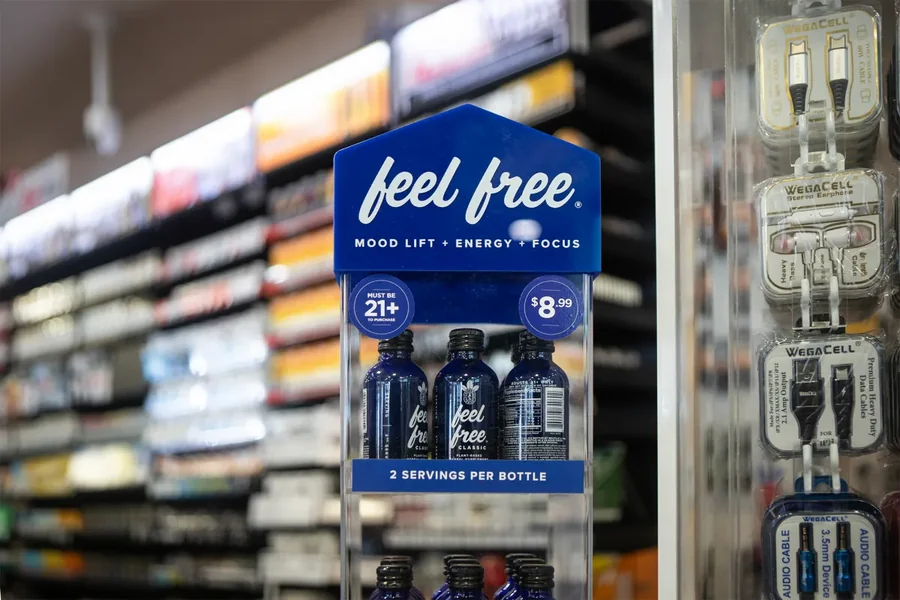
In September 2025, Florida’s attorney general stood at a podium in Jacksonville and announced that state inspectors had pulled nearly 18,000 products off shelves in a single month. They weren’t bags of kratom leaf. They were gummies, pills, energy drinks, and vapes built around one compound most shoppers hadn’t heard of two years earlier: 7-hydroxymitragynine, printed on the package as 7-OH.
That compound sits behind most of the kratom headlines since, and a lot of the confusion. Here’s what it is, what regulators have actually done, and why the line between leaf and concentrate decides almost everything.
What 7-OH actually is
Kratom leaf contains dozens of alkaloids. Mitragynine is the main one. 7-OH is a minor one, present in natural leaf only in trace amounts, generally around 0.05% of the leaf’s dry weight or less. By the DEA’s own description, it makes up under 2% of the plant’s total alkaloid content.
The products drawing enforcement are a different animal. 7-OH can be made from mitragynine in a single chemical step, and manufacturers have used that to sell tablets and gummies where 7-OH is the headline ingredient. A study cited in the DEA’s July 2026 notice catalogued 250 of these products sold between late 2024 and early 2025, with amounts ranging from 1 milligram to 700 milligrams per serving. Chewable and dissolving tablets were the most common format.
Why 7-OH products spread so fast
Price and placement did most of the work. The same DEA notice puts the average cost per serving across these products at about $4, sold in gas stations, wellness shops, and online in nearly every format a pharmacy would recognize: tablets, capsules, gummies, drink shots, nasal sprays, and films that dissolve under the tongue. Names like “7 Ohmz” and “Hydroxie” came in colorful packaging that looked more like candy than an herbal product.
Regulators noticed the paper trail before they acted. Poison centers began tracking 7-OH as its own category in early 2025 and logged 165 exposure cases between January and July of that year, according to the DEA’s summary. Forensic labs reported 42 identifications from 12 states in 2025, a number the agency describes as an undercount because most labs test for mitragynine and stop there.
What federal agencies have actually done
The timeline matters, because headlines have run ahead of it.
In June and July 2025, the FDA sent warning letters to seven companies selling 7-OH products, stating that 7-OH isn’t a lawful dietary supplement or food ingredient. Later that summer, health officials recommended the DEA schedule 7-OH above a set threshold.
On July 6, 2026, the DEA published its notice of intent to do exactly that, and the proposed line is specific. Plant material would be covered above 0.050% 7-OH by dry weight. Processed or synthetic products (extracts, concentrates, , pressed pills) would be covered above 0.050%, or above 1 milligram of 7-OH. The stated target is concentrates, not leaf at its natural trace levels.
Then the process slowed. On August 26, the DEA temporarily placed three related compounds in Schedule I: mitragynine pseudoindoxyl, MGM-15, and MGM-16, all semi-synthetic derivatives, through August 2028. The same day, the comment period on the 7-OH threshold was extended to September 10. As of early October, the Congressional Research Service noted the DEA still hadn’t finalized the 7-OH order, which means 7-OH itself isn’t yet a federally controlled substance.
Is kratom itself being banned federally?
No. Nothing at the federal level as of October 2026 makes kratom leaf a controlled substance, and the pending 7-OH order is written around a threshold set at the leaf’s natural trace level. When the FDA announced its recommendation in 2025, it said plainly that natural leaf products weren’t the focus. The federal pressure is on concentrates. State law is a separate question, and a much messier one.
Where the states landed
States moved faster, and in different directions. Florida’s emergency rule in August 2025 targeted isolated and concentrated 7-OH and left the leaf alone. Others drew the line at the plant itself: Tennessee and Massachusetts both banned kratom outright in 2026, leaf included. A shopper in Orlando and a shopper in Nashville can walk into nearly identical stores and find completely different shelves.
How to tell leaf from concentrate on a shelf
Packaging usually gives it away. Concentrated products tend to put “7-OH” or “7-hydroxy” on the front in large type and list it in milligrams, the way a pain reliever lists its active ingredient. Plain leaf products are labeled by strain or vein color and sold by weight in grams.
The more reliable check is the lab report. A batch certificate for a leaf product should show mitragynine as the dominant alkaloid, with 7-OH in the natural trace range. A report showing 7-OH as a big share of the total, or no report at all, is the cue to put it back.
If you live where it’s legal and want to buy kratom that stays clearly on the leaf side of these rules, look for a seller that posts batch reports listing both mitragynine and 7-OH, and that publishes them before you pay instead of after you ask.
The federal threshold could be finalized any week, or stall into next year. Either way, the front of the package is no longer the part to read. The report behind it is.
Statements in this article have not been evaluated by the Food and Drug Administration. These products are not intended to diagnose, treat, cure, or prevent any disease.