
Copyright vs. Trademark vs. Patent: What’s the Difference?
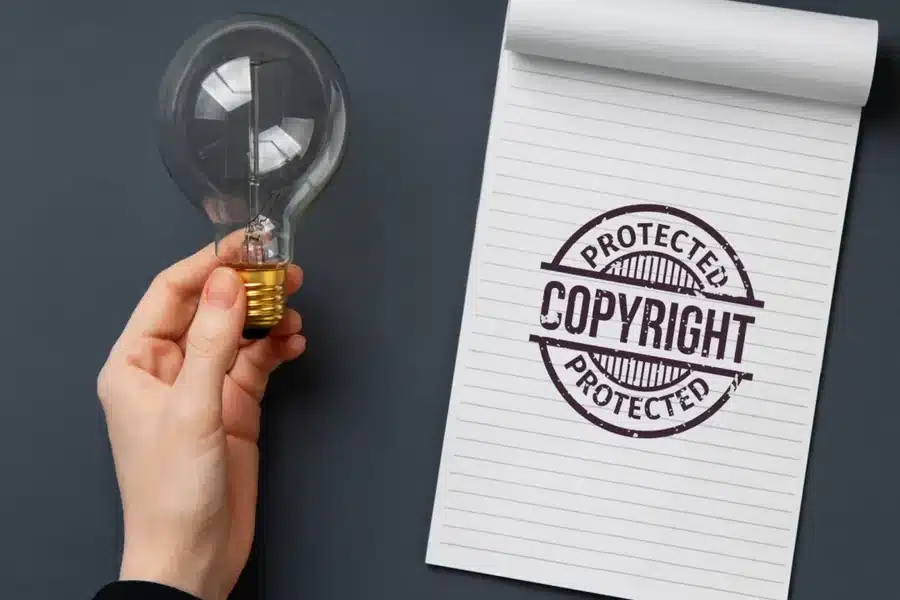
Any word, phrase, or design, invention, or created work like a novel, music, or painting is considered intellectual property. In FY 2024, USPTO customers filed 767,138 new trademark application classes, a modest increase over FY 2023’s trademark figures. According to USPTO, intellectual properties must be registered to prevent others from using the same design or inventions created by an individual.
One of the main reasons why Intellectual Property Law was developed is to offer a shield against individuals who engage in “stealing” and exploiting intellectual properties for their personal interests. This law covers, under the general term of “intellectual property,” the inventors and owners of all sorts of works, such as inventions, writings, music, and other arts.
In the matter of protecting a creative work, it is important to know and understand well the distinctions between copyright, trademark, and patent. Each kind of intellectual property does its own job and provides patent rights.
Let’s discuss how these intellectual property protection methods differ and which one best protects your innovations and brand identity.
Understanding Copyright: Scope and Protection
Creatives make original work. They write novels, compose songs, and create paintings, etc. Each time they create an original work, an automatic copyright is created at the stage of fixation on a tangible medium. This protection prevents another party from unauthorized use of your unique mode of expression.
An idea alone cannot be copyrighted, but an expression of it in a certain form can. The copyright confers on you an exclusive right in your work to reproduce, distribute, display, or perform it in public to bring your artistic creation forward to the world. You can even license your works for use, let alone sell the right for somebody to use them.
According to intellectual property lawyer Richard M. Watts, copyright infringement takes place when one person uses another’s literary work, music, pictures, or software without proper permission.
Learning copyright basics will not only make you value your creativity but will also create an environment of respect and protection around it.
The Role of Trademarks in Branding
Trademarks take on a different role when compared to copyrights.
A trademark works as a quality check and trust signal for the related business. Once it is registered for a brand or service in a certain market, it links the business to a brand’s quality and builds the consumers’ confidence in the business.
Consider trademarks as the identity of your company, distinguishing it from competitors with logos, slogans, or special packaging. These marks are a means to safeguard your brand. It also builds your reputation, giving your customers a sense of belonging.
When the customers see the trademark, they envision it as a symbol of familiarity and quality, and this lays the foundation of their loyalty. In the noisy market of today, creating rapport with your audience through a feature or strong mark will make you stand out from the rest.
Exploring Patents: Innovations and Inventions
Patent applications guarantee that trademarking protects a brand’s image, with patents holding the key to your innovative creations.
If you made something innovative, be it a process or an entirely new machine, a patent gives you exclusive rights to its making. That is, no one can make, sell, or use your invention without asking for your consent.
Patents give you more than just ownership. It is about fostering innovation and new ideas in your neighborhood. By protecting your project, you allow new ideas to grow in an environment.
Keep in mind that all great ideas or inventions were merely ideas that a handful of individuals had faith in. Be fearless in safeguarding your ideas in a world that is all about creativity and progress.
Comparing the Three: Key Differences
Making sense of Copyright, Trademark, and Patent intricacies may aid you in choosing the right way to safeguard your intellectual property.
The main purpose of a copyright is to grant legal protection for the creators of music, literature, or art. A trademark protects brand identity, such as logos or slogans, by which consumers identify the goods from others in the market. Patent protects any new invention or process, giving the inventor exclusive rights for a limited period of time upon the invention of a product.
Since each of these intellectual property rights has its own purpose, it is good to know which one applies to your work. If you grasp this important distinction, you will be guided as to which is the appropriate intervention for your creative works.
Choosing the Right Protection for Your Intellectual Property
How can you choose the right intellectual property protection? Start by identifying what is worth protecting.
If it is a creative work such as a book or painting, copyright would be the relevant course of action. Trademarks would protect the identity of your brand in cases where they are for logos, brand names, or catchy phrases. Patents are a means of securing inventions, regardless of their nature, whether they are products or processes.
Be very explicit about what you want: is it the brand that lasts for years or profit that comes quickly? Each kind of protection has its pros and cons. It is imperative that you find the one that fits your goal the best.
Feel free to consult an intellectual property attorney since they are trained to walk you through the entire process and equip you with confidence in your choices. Your ideas deserve the best protection.