
How Storm Damage Impacts Home Structure and What Restoration Involves
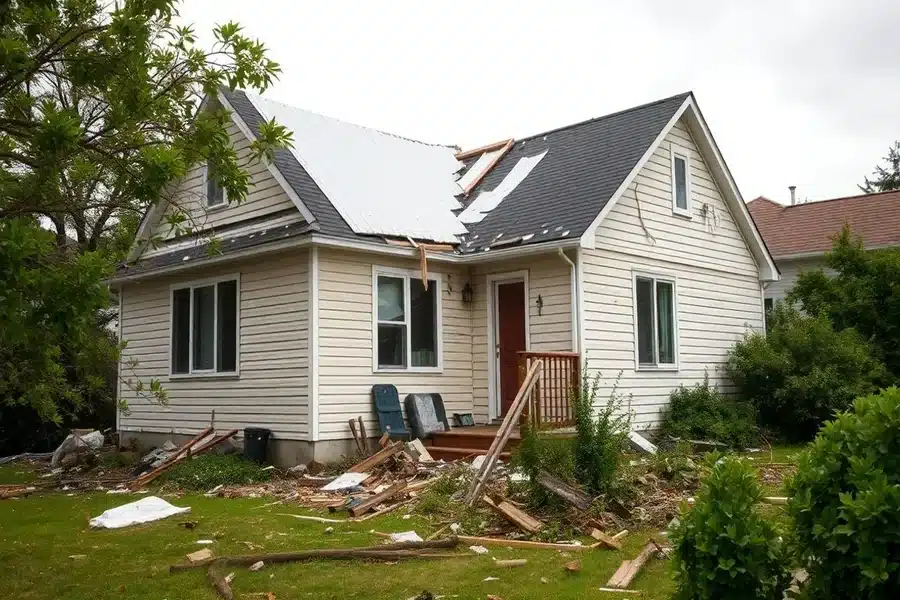
When severe weather hits, the impact on your home can be more than just a few downed branches. Understanding the full scope of storm damage is the first step toward getting things back to normal. It’s not just about what you see right away; sometimes, the real problems are hidden.
Common Types Of Storm Damage To Property
Storms bring a variety of threats to your home. High winds can rip shingles off your roof, leaving the structure exposed. Heavy rain can lead to water intrusion, causing damage inside your walls and ceilings. Hail, often accompanying thunderstorms, can batter your siding and windows, creating cracks and breaks. Even seemingly minor damage, like a small roof leak, can quickly escalate if not addressed.
Assessing The Full Impact Of Storms
After a storm passes, it’s important to take a good, hard look at your property. Don’t just check for obvious damage like a broken window. Look for subtle signs too. Are there new cracks in the foundation? Is the siding loose anywhere? Has water seeped into the basement? A thorough assessment helps identify all areas affected by the storm damage. This detailed inspection is key to planning the right repairs.
Recognizing The Risks Of Severe Weather
Severe weather poses significant risks to your home’s structure. Ignoring storm damage can lead to bigger, more expensive problems down the line. For instance, a small roof leak might seem minor, but it can lead to rot and mold growth if left untreated. Similarly, foundation cracks can worsen over time, compromising the entire building. Being aware of these risks means you can act faster to protect your investment.
The Storm Damage Restoration Process
When a storm hits, the aftermath can be chaotic. Dealing with the damage is a process, and knowing the steps can make it less overwhelming. The goal is to get your home back to normal, safely and efficiently. This involves a series of actions, starting right after the storm passes.
Initial Damage Assessment and Documentation
The first thing to do is check out what the storm did. Look for obvious problems like a damaged roof, broken windows, or downed trees. It’s really important to document everything you see. Take pictures and videos of all the damage. This documentation is super helpful later when you talk to your insurance company. A good assessment helps figure out what needs fixing first.
Securing the Property and Temporary Repairs
After you’ve assessed the damage, the next step is to make sure your home is safe and to stop any further problems. This might mean putting up boards over broken windows or covering a damaged roof with a tarp. These temporary fixes are important to keep the weather out and prevent more water from getting inside. It’s all about protecting what’s left.
Debris Removal and Site Cleanup
Once the property is secured, it’s time to clean up the mess. This involves removing fallen branches, broken pieces of your house, and anything else the storm left behind. Clearing debris isn’t just about looks; it’s also a safety issue. It makes it easier for restoration crews to get to the damaged areas and start the real repairs. A clean site is the first step toward rebuilding.
The storm damage restoration process is a structured approach designed to bring a damaged property back to its pre-storm condition. It prioritizes safety, containment of further damage, and thorough repair.
Here’s a breakdown of the typical steps involved:
- Assessment: A detailed inspection to identify all damage, both visible and hidden.
- Securing: Temporary measures to prevent further harm, like boarding windows.
- Cleanup: Removal of debris and hazardous materials.
- Water Mitigation: Extraction of water and drying of affected areas.
- Repairs: Fixing structural damage and restoring the property.
This structured approach helps manage the chaos and ensures that all aspects of the storm damage are addressed. The restoration process is key to a successful recovery.
Addressing Water Intrusion And Mold
Prompt Water Extraction And Drying Techniques
Water is a relentless enemy after a storm. When it gets inside your home, it doesn’t just sit there; it seeps into everything. Walls, floors, furniture – nothing is safe. Prompt water extraction is the first line of defense against further damage. Professionals use specialized equipment to remove standing water quickly. This isn’t a job for a few towels. Think industrial-grade pumps and vacuums.
Once the bulk of the water is gone, the drying process begins. This involves using high-powered air movers and dehumidifiers to pull moisture out of the air and building materials. It’s a slow, methodical process, but absolutely critical. Leaving even a little dampness behind can lead to bigger problems down the road, like mold. Proper drying prevents water damage from becoming a long-term structural issue.
This phase requires constant monitoring. Technicians check humidity levels and material moisture content regularly. They might even use thermal imaging cameras to find hidden pockets of moisture. The goal is to get everything back to its pre-loss condition as safely and efficiently as possible. It’s about stopping the damage before it really takes hold.
Effective Mold Remediation Strategies
Mold loves damp, dark places, and a storm-damaged home often provides just that. If water intrusion isn’t handled quickly and thoroughly, mold can start to grow within 24 to 48 hours. This isn’t just an aesthetic problem; mold can cause serious health issues and further degrade building materials. Effective mold remediation is therefore a non-negotiable step in storm damage restoration.
The process typically starts with identifying the extent of the mold growth. This might involve visual inspections and sometimes specialized testing. Once identified, affected materials are carefully removed and disposed of. Containment is key here; professionals use barriers and negative air pressure to prevent mold spores from spreading to unaffected areas of the home.
Cleaning and sanitizing are the next steps. This involves using specific cleaning agents to kill existing mold and prevent regrowth. For porous materials that cannot be fully cleaned, replacement is often the only safe option. The ultimate aim is to restore a healthy indoor environment, free from mold and its associated risks. Addressing mold is a serious part of water damage cleanup.
Preventing Future Moisture Issues
After dealing with the immediate aftermath of water intrusion and mold, it’s smart to think about preventing it from happening again. Storm damage restoration isn’t just about fixing what’s broken; it’s also about making the home more resilient. This means looking at how water gets into the house in the first place and finding ways to stop it.
Regular maintenance is a big part of this. Keeping gutters clean and downspouts clear ensures water flows away from the foundation. Checking the roof for loose or damaged shingles and promptly repairing them can prevent leaks before they start. Even simple things like ensuring proper grading around the house can make a difference in directing rainwater away.
Upgrades can also play a role. Consider installing sump pumps in basements prone to flooding or upgrading to more weather-resistant roofing and siding materials. Sealing cracks in the foundation and around windows and doors adds another layer of protection. Proactive measures significantly reduce the risk of future water damage and mold problems.
Structural Integrity After A Storm
Storms can really mess with your house’s bones. We’re talking about the stuff that holds it all together – the roof, walls, foundation. When bad weather hits hard, these parts can take a serious beating. It’s not just about a leaky roof; it’s about whether your whole house is still standing strong.
Repairing Roofs And Siding Damage
Your roof is the first line of defense against the elements. High winds can rip off shingles, leaving the underlayment exposed to rain. Hail can crack or puncture shingles, creating entry points for water. Siding can get dented, cracked, or even blown off by strong winds. Addressing roof and siding damage quickly is key to preventing further problems. This means inspecting for missing or damaged materials and getting them replaced. We need to make sure the new materials are properly installed to withstand future storms. This kind of repair is vital for the overall structural integrity of your home.
Restoring Windows And Doors
Windows and doors are vulnerable points during a storm. Flying debris can shatter glass, and strong winds can warp or break door frames. This not only compromises security but also lets in water and wind, which can cause interior damage. Repairing or replacing damaged windows and doors is a priority. We look at the frames, seals, and the glass itself. Sometimes, a simple repair is enough, but often, full replacement is needed to restore proper function and protection. This work directly impacts the home’s ability to keep the weather out.
Addressing Foundation And Wall Concerns
While less obvious, foundation and wall damage can occur. Severe flooding can saturate the ground around your foundation, leading to shifting or cracking. High winds can put immense pressure on walls, potentially causing them to bow or crack. Inspecting the foundation for cracks and checking interior and exterior walls for signs of stress is important. Sometimes, this damage is subtle and requires a professional eye to spot. Repairing these issues is critical for the long-term structural integrity of the entire building. Ignoring foundation or wall problems can lead to much bigger, more expensive issues down the road.
Navigating Insurance And Professional Help
Filing Your Storm Damage Insurance Claim
Dealing with storm damage is tough enough without adding insurance headaches. The first step after any storm event is to contact your insurance company. Have your policy number handy and be ready to describe the damage. Document everything with clear photos and notes before any cleanup begins. This documentation is key for your insurance claim. Keep records of all communications, including dates, times, and who you spoke with. This helps keep the process moving smoothly.
Choosing Qualified Restoration Experts
Once the insurance claim is underway, you’ll need professionals to fix your home. Look for restoration companies with experience specifically in storm damage. Check for proper licensing and insurance. Ask for references and read reviews. A good restoration company will provide a detailed estimate and explain the repair process clearly. They understand the complexities of storm damage and can work with your insurance adjuster to ensure all necessary repairs are covered.
Understanding Coverage and Financial Aspects
It’s important to know what your homeowner’s insurance policy actually covers. Policies vary, so understand your deductible and any exclusions. Some policies might not cover certain types of damage, like flooding. If your insurance doesn’t cover everything, look into public assistance programs. These can offer grants or loans for repairs. Creating a budget for repairs is also smart. Get multiple estimates to compare costs. Remember to set aside some money for unexpected expenses that might pop up during the restoration.
Understanding your insurance policy upfront can save a lot of stress later. Don’t hesitate to call your agent with questions.
Here’s a quick look at what to expect:
- Initial Contact: Report the damage to your insurer promptly.
- Documentation: Take photos and videos of all damage.
- Adjuster Visit: Cooperate with the insurance adjuster’s inspection.
- Estimates: Get detailed repair quotes from qualified professionals.
- Claim Review: Understand the adjuster’s report and your coverage.
Financial responsibility is a big part of storm damage recovery. Be prepared for your deductible. Some immediate repairs might be needed to prevent further damage, and you’ll need to keep receipts for those. Working closely with both your insurance company and your chosen restoration experts is the best way to manage the financial side of getting your home back in shape.
Moving Forward After Storm Damage
Dealing with storm damage can feel like a lot, but knowing what to do makes a difference. It’s about checking your home, getting help quickly, and making sure everything gets fixed right. Taking these steps helps protect your house and gives you peace of mind. Remember, acting fast and working with the right people can get your home back to normal, maybe even stronger than before. Being prepared and informed is key to handling whatever the weather throws your way.