
Guide to Understanding Handheld Oscilloscopes for Field Testing and Electronics Troubleshooting
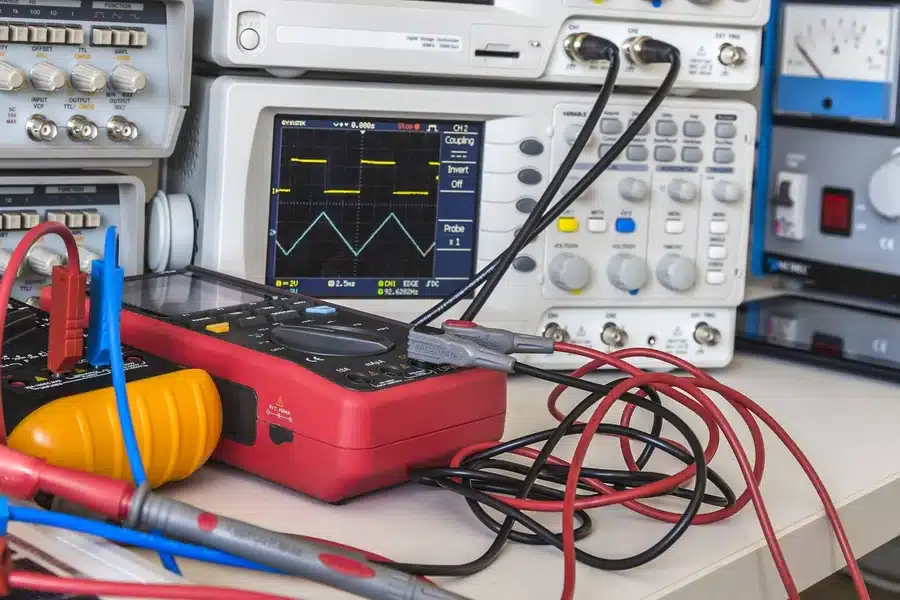
In modern electronics and electrical work, having the right testing equipment is essential. While traditional oscilloscopes are commonly used in laboratories, there is a growing demand for portable solutions that can be used directly on site. This is where handheld devices come into play. When professionals search for a handheld oscilloscope, they are usually looking for a compact, reliable tool that can help them analyse electrical signals without being restricted to a fixed workspace.
What Is a Handheld Oscilloscope
A handheld oscilloscope is a portable electronic testing device used to measure and display electrical signals in the form of waveforms. It performs the same core function as a standard oscilloscope but is designed for mobility and convenience.
Instead of being placed on a workbench, it can be carried easily and used in different environments. This makes it especially useful for field engineers, technicians, and anyone who needs to diagnose issues directly at the source.
Why Portability Matters
One of the biggest advantages of handheld devices is their portability. In many real world situations, it is not practical to bring equipment back to a lab for testing. Engineers often need to troubleshoot systems on site, whether it is in a factory, a vehicle, or an outdoor installation.
A handheld oscilloscope allows them to perform diagnostics immediately. This saves time and helps identify problems more quickly, which is crucial in professional settings where delays can be costly.
Key Features That Make Them Useful
Handheld oscilloscopes are designed with features that support both functionality and convenience.
Battery operation is one of the most important features. Since these devices are used in the field, they rely on rechargeable batteries that allow them to operate without a direct power source.
Display quality is another important factor. A clear and readable screen helps users analyse waveforms accurately, even in bright or challenging environments.
Many models also include multiple functions in one device. It is common to find handheld oscilloscopes that also work as multimeters or include additional measurement tools. This reduces the need to carry multiple devices.
Common Applications in Real World Use
Handheld oscilloscopes are used across various industries and applications.
- In electronics repair, they help technicians identify faults in circuits and components.
- In automotive diagnostics, they are used to analyse signals in modern vehicle systems.
- In industrial maintenance, they assist in checking machinery and electrical systems.
- In telecommunications, they help monitor signal behaviour and detect irregularities.
Their ability to work in different environments makes them a versatile tool for professionals.
How They Differ from Bench Oscilloscopes
While both handheld and bench oscilloscopes serve the same basic purpose, they differ in terms of design and usage.
Bench oscilloscopes are typically larger and offer more advanced features. They are ideal for detailed analysis in controlled environments such as laboratories.
Handheld oscilloscopes, on the other hand, are designed for convenience and mobility. While they may have slightly fewer advanced features, they provide enough capability for most field applications.
The choice between the two depends on the type of work being done.
Things to Consider Before Choosing One
When selecting a handheld oscilloscope, it is important to focus on your specific needs.
- Bandwidth determines the range of signals the device can measure. Higher bandwidth is needed for high frequency signals.
- Sampling rate affects how accurately the waveform is displayed. A higher rate provides better detail and precision.
- Number of channels is also important. If you need to compare multiple signals, a device with more channels will be more useful.
- Battery life should not be overlooked, as it directly impacts how long the device can be used in the field.
Advantages of Using a Handheld Oscilloscope
One of the main benefits is convenience. Being able to carry the device anywhere makes it highly practical for field work.
Another advantage is efficiency. Problems can be diagnosed on the spot without needing additional setup.
They also reduce the need for multiple tools, especially when combined with other functions like a multimeter.
Durability is another factor, as many handheld models are built to withstand tough environments.
Limitations to Be Aware Of
While handheld oscilloscopes are highly useful, they do have some limitations. They may not offer the same level of advanced analysis as high end bench models.
Screen size can also be smaller, which may make detailed waveform analysis slightly more challenging.
However, for most practical applications, these limitations are outweighed by the benefits of portability and ease of use.
Conclusion
A handheld oscilloscope is a valuable tool for anyone working with electrical or electronic systems. Its ability to provide real time signal analysis in a portable format makes it ideal for modern field work.
Whether you are a technician, engineer, or hobbyist, choosing the right device depends on your usage and requirements. By focusing on features like portability, performance, and battery life, you can find a tool that supports efficient and accurate diagnostics.
As technology continues to evolve, handheld oscilloscopes are becoming more powerful and versatile, making them an essential part of modern testing and troubleshooting.