
How to Choose a Freestanding Bathtub: The Complete Buying Guide (2025)
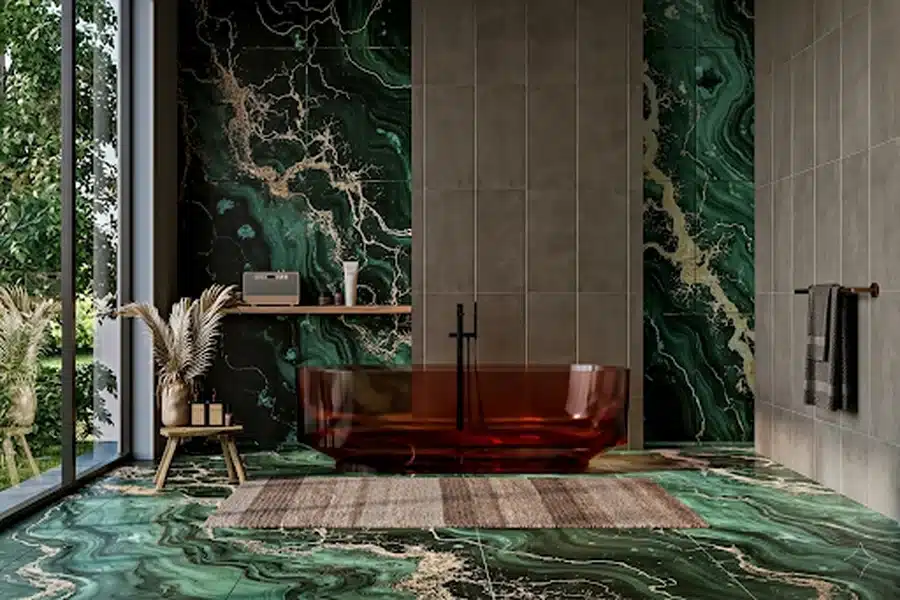
You’ve decided you want a freestanding bathtub. Now comes the part most buyers underestimate: figuring out which one is actually right for your bathroom, your plumbing, your floor, and the way you plan to use it. A freestanding tub is a permanent, high-investment fixture. Getting it wrong is expensive. Getting it right means a bathroom that looks exactly the way you imagined it — and functions even better.
What Makes a Freestanding Bathtub Different?
Unlike alcove or drop-in tubs, a freestanding bathtub is finished on all four sides and stands independently on the floor. It doesn’t require a surround, a niche, or wall attachment. That freedom is part of the appeal — but it also means every decision about placement, plumbing, and material falls entirely on you.
There’s no standard slot to drop it into. The drain must come up through the floor. The faucet must be specified at the same time as the tub. The floor must support the weight. These aren’t reasons to avoid a freestanding tub — they’re reasons to plan one properly.
Step 1: Measure First, Browse Second
Most buyers do this backward. They fall in love with a tub, then discover it won’t fit through the bathroom door, or that it leaves only two inches of clearance on each side.
Before looking at a single model, take these four measurements:
- Your available floor space — length and width of the installation area
- Clearance on all accessible sides — a minimum of 4 to 6 inches for cleaning and faucet reach
- Door and hallway widths — delivery access is a common, costly surprise
- The distance from your body’s shoulder blades to your heels when reclined — this is your minimum tub length
Standard freestanding bathtubs run 55 to 72 inches in length. Most single-bather layouts are well served by a 60-inch model. Going longer gives you more recline room; going shorter opens up placement options in tighter rooms.
Step 2: Choose the Right Shape for Your Soaking Style
Shape isn’t just aesthetic — it determines how you sit, how deeply you soak, and whether the tub works for one person or two.
The main forms to understand:
- Single slipper: one raised end, one reclined position — best for solo soakers who want a fixed back angle
- Double slipper: both ends raised, suited to two bathers
- Double-ended: symmetrical, drain centered — the most versatile form for both solo and paired use
- Oval and rectangular: defined more by design language than soaking function — oval suits organic, nature-inspired interiors; rectangular suits architectural and minimalist rooms
The interior geometry matters as much as the exterior silhouette. A shallow back angle reduces neck strain on longer soaks. A deeper basin submerges more of the body. Try to sit in any tub you’re seriously considering before ordering — dimensions on paper don’t always translate to comfort in the water.
Step 3: Understand Your Freestanding Bathtub Materials Options
Freestanding bathtub materials vary significantly in weight, heat retention, durability, and long-term maintenance. This is the most consequential decision you’ll make, because the material affects how the tub performs a decade after installation — not just on day one.
The three most common categories:
- Acrylic: lightweight, affordable, widely available. Scratches easily, retains heat poorly, and can yellow or crack over time. A reasonable entry point, but not a long-term investment.
- Cast iron: extremely durable and excellent at retaining heat, but heavy — often 300 to 500 lbs empty, which may require structural floor assessment, particularly on upper floors.
- Solid surface composite: the material category that has grown most significantly in design-led bathrooms. Denser than acrylic, significantly lighter than cast iron, with better heat retention than either. Surface-repairable, non-porous, and available in a wider range of finishes.
If you’re evaluating the full range of options, this freestanding bathtub buying guide covers each material category in depth, including how solid surface composites compare to acrylic and cast iron across heat retention, weight, and repairability.
What to Look for in a Solid Surface Bathtub
Not all solid surface bathtubs are equal. The term covers a wide range of formulations — from petroleum-based resin blends to mineral stone composites made from natural binders. The composition determines almost everything: porosity, scratch resistance, repairability, and environmental impact.
When evaluating a solid surface bathtub, look for:
- Non-porous surface: resists staining and does not harbor bacteria
- Repairability: minor scratches and abrasions can be buffed out rather than requiring replacement
- Thermo-insulating properties: the material retains heat in the water, not just in the bath itself
- Natural binder composition: mineral stone or soy-based formulations over petroleum resin
For a detailed breakdown of what distinguishes premium solid surface bathtub material from standard alternatives, including certifications and eco-credentials, that page explains the full specification in plain terms.
Step 4: Plan the Plumbing and Faucet Before You Order
This step catches more buyers off guard than any other. A freestanding bathtub requires floor-routed plumbing — the drain and supply lines must rise through the floor, or you must use a wall-mounted spout positioned close enough to reach the tub.
Three things to confirm before you finalize your tub choice:
- Drain location: if the bathroom previously had a built-in alcove tub, the drain position may need relocation — a licensed plumber should assess this before you order
- Faucet type: most freestanding tubs pair with a floor-mounted freestanding filler; standard deck-mount faucets are typically too short to clear a vessel-style tub rim
- Faucet reach: confirm spout reach and hose length against the specific model you are ordering — not all fillers suit all tubs
Step 5: Match the Tub to Your Bathroom’s Design Direction
A freestanding soaking tub is the room’s anchor. Every other element — tile, vanity, lighting, hardware — reads in relation to it. Choosing a tub that contradicts the room’s design language creates visual friction that no amount of styling will fully resolve.
Some practical rules for matching form to room:
- Rectangular forms suit contemporary, minimalist, and architectural interiors — clean lines, flush-to-wall versatility, strong geometry
- Oval and curved forms suit nature-inspired, transitional, and softer contemporary interiors
- Compact oval or slipper forms can work in rooms as small as 60 square feet when clearance is planned correctly — a luxury freestanding bathtub is not exclusively a large-bathroom fixture
- Finish options matter: matte surfaces show fewer water marks; gloss finishes make a stronger visual statement but require more attentive upkeep
If you are specifying the tub as part of a full bathroom renovation, consider whether the sink and vanity are available within the same design collection. Sourcing individually produces a room that looks assembled; sourcing within a collection produces a room that looks considered.
Before You Order: The Short Checklist
Every freestanding bathtub purchase should pass five checks before the order is placed:
- Floor measurements and clearance confirmed on paper before browsing
- Tub shape tested in person against your actual soaking posture — not just dimensions
- Material evaluated on heat retention, porosity, and repairability — not just visual finish
- Plumber consulted on drain location and floor routing before the model is finalized
- Faucet specified at the same time as the tub, with spout reach confirmed against the bowl height
A freestanding bathtub chosen with this kind of deliberateness lasts decades and defines the room for the duration. One chosen by look alone tends to surface problems in the first six months.
What’s the one factor you find most confusing when shopping for a freestanding bathtub — material, sizing, or plumbing compatibility? Drop your question in the comments below.