
Why Continuing Education is Changing the Wellness Sector
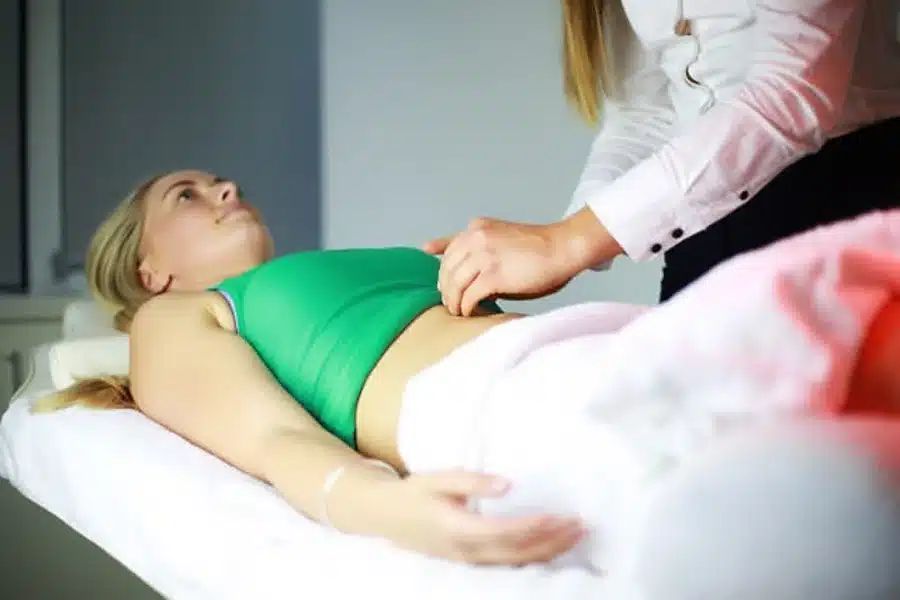
The global wellness sector is undergoing a profound transformation as consumers, insurance groups, and mainstream medical institutions demand significantly higher levels of clinical accountability from practitioners. Professionals are no longer viewed merely as providers of casual relaxation or temporary stress relief, but rather as essential components of a holistic, multi-disciplinary healthcare continuum.
To meet these evolving healthcare demands, ongoing professional development has officially shifted from an optional career enhancement to an absolute clinical necessity for modern practitioners. Lifelong learning ensures that bodywork specialists remain thoroughly equipped with the latest scientific research, adaptive physical modalities, and safe injury-prevention protocols.
Meeting Complex Patient Needs in Modern Care
Patients entering wellness clinics today frequently present with multi-faceted health concerns rather than simple, isolated muscular tension resulting from everyday activities. Chronic occupational stress, metabolic syndromes, complex autoimmune disorders, and diverse orthopedic issues require modern practitioners to possess a deep, working understanding of human anatomy and pathophysiology.
Standard entry-level training programs rarely provide the deep educational substance required to navigate these intricate health profiles safely, effectively, and with long-term clinical success. Advanced coursework allows therapists to bridge the gap between basic stroke applications and highly targeted, clinical therapeutic interventions designed for specific structural and muscular dysfunctions.
Developing this specialized clinical expertise fosters much better interprofessional communication between community wellness experts and primary care physicians or physical therapists. Seamless collaboration ensures that client recovery strategies remain cohesive, comprehensive, and ultimately focused on achieving long-term physiological improvements that truly enhance overall daily function.
Elevating Professional Standards Through Advanced Learning
State regulation and credentialing frameworks within the integrative health industry have tightened significantly over the past decade to reflect changing consumer needs. Licensing boards and professional associations continuously raise the bar for annual certification renewals to protect public safety and ensure a uniform level of service quality.
Aligning with an NCBTMB approved provider grants practitioners direct access to verified, high-quality educational materials that seamlessly fulfill these strict legal requirements. Utilizing such high-caliber instruction significantly elevates the reputation of the entire field, transforming the broader public perception of therapeutic bodywork across the country.
Maintaining active, accredited certifications protects a professional’s business infrastructure while building immense trust with a highly discerning, modern clientele. Consumers actively seek out practitioners who demonstrate a verifiable, ongoing commitment to educational excellence, scientific validation, and structured evidence-based practice models.
The Shift Toward Evidence-Based Modalities
Traditional anecdotal evidence and historical assumptions are no longer sufficient to justify specific therapeutic interventions in a modern wellness setting. Today’s clients demand clear confirmation that the treatments they invest in are thoroughly backed by rigorous scientific literature, modern clinical trials, and proven physiological mechanisms.
Continuing education programs focus heavily on teaching professionals how to accurately read, analyze, and apply peer-reviewed scientific literature to their daily routines. Replacing outdated theories with proven biomechanical, anatomical, and neurological insights drastically improves the accuracy of physical assessments and subsequent soft tissue manipulations.
Utilizing evidence-based practices increases the overall predictability of treatment outcomes, which directly translates to much higher client satisfaction and retention rates. Implementing data-driven protocols also significantly mitigates the risk of accidental injury while maximizing the therapeutic efficiency and value of every single session.

Adapting to Diverse and Vulnerable Populations
Wellness professionals regularly interact with exceptionally delicate demographics, including geriatric populations, pediatric patients, and individuals managing severe systemic illnesses. Modifying applied pressure, client positioning, and total session duration becomes highly critical when handling fragile, compromised, or hyper-reactive physiological systems.
Cancer was identified as the most common serious illness among individuals seeking specific integrative care, accounting for 62.5% of the observed cohort. Specialized oncology education provides the precise training necessary to offer safe, palliative touch without exacerbating symptoms or interfering with medical treatments.
Deeply understanding absolute contraindications prevents catastrophic clinical errors during treatment sessions for oncology patients or those with severe, chronic, compromising conditions. Specialized coursework empowers therapists to safely customize protocols, delivering profound, life-enhancing relief to individuals bravely facing severe health battles and complex medical recoveries.
Expanding the Scope of Integrative Health Practices
The historical line separating conventional medical treatments and complementary wellness therapies continues to blur at a remarkably rapid pace worldwide. Major hospital networks and specialized outpatient centers now routinely feature dedicated departments for integrative medicine to enhance patient recovery outcomes and overall comfort.
Wellness experts must purposefully expand their core knowledge base beyond a single modality to remain effective within these multidisciplinary medical environments and modern clinics. Learning about modern pharmacology, surgical recovery timelines, and psychological coping mechanisms allows for much smoother integration into collaborative, patient-centered medical teams.
Comprehensive continuing education enables practitioners to serve as highly valuable allies in post-operative orthopedic rehabilitation and complex chronic pain management strategies. These broader scopes of scientific knowledge successfully transform practitioners from isolated service providers into vital, respected healthcare stakeholders within the community.
Future Proofing Careers in a Competitive Market
The global wellness market is increasingly saturated with new businesses and entry-level practitioners entering the workforce every year. Standing out in this crowded marketplace requires a distinct competitive advantage that extends far beyond generic social media marketing strategies or price discounts.
- Earning advanced certifications in corrective exercise science, manual therapy, or specialized clinical populations creates lucrative niche opportunities for sustainable business growth.
- Specialization commands significantly higher hourly rates, protects profit margins, and fosters exceptional long-term client retention rates over multiple years.
Investing time and financial resources into structured lifelong learning effectively protects a professional from career stagnation and physical burnout. Adapting skillsets to emerging public health trends ensures a vibrant, sustainable, and highly profitable career over many successful, fulfilling decades.
Continuous learning has fundamentally shifted the modern wellness landscape from a luxury-focused pampering industry into a vital branch of preventative healthcare. Practitioners who actively embrace rigorous advanced education are elevating overall industry standards and proving the objective clinical worth of their specific modalities.
Embracing advanced research and accredited training ensures that the wellness industry will continue to thrive in parallel with traditional medicine. Dedication to educational growth ultimately benefits the diverse communities of clients who rely on these therapeutic interventions for a significantly improved quality of life.