
How AI Coloring Page Generators Are Making Learning Fun for Kids
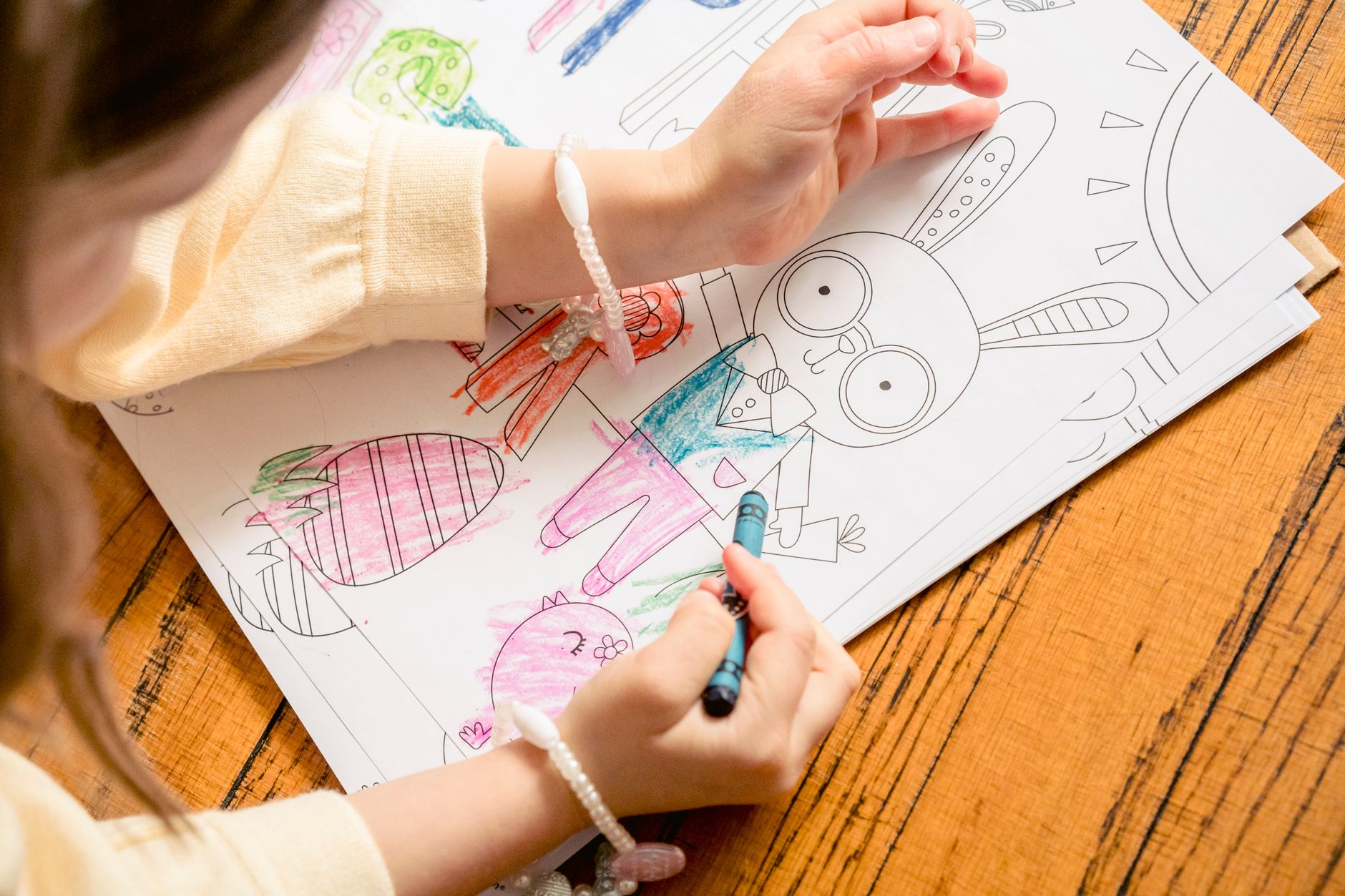
Coloring has always been a favorite pastime for children. It keeps their hands busy, sparks their imagination, and gives them a quiet way to express themselves. But coloring books have changed quite a bit over the years. Today, many parents and teachers are turning to an AI coloring page generator to create custom pages that match a child's interests, current lessons, or even their mood for the day. This shift is not just about convenience. It is changing how kids experience learning, one page at a time.
What Exactly Is an AI Coloring Page Generator?
An AI coloring page generator is a tool that uses artificial intelligence to turn a simple text description into a printable, black and white outline ready for coloring. Instead of flipping through a store bought coloring book with the same repeated designs, a parent or teacher can type in something like "a dinosaur reading a book" or "the solar system with planets labeled" and get a unique image in seconds. The technology behind it analyzes the request and generates line art that is clean enough for a child to color without the lines being too complicated or too plain.
This kind of tool has become popular in homes and classrooms because it solves a common problem. Children often lose interest quickly when the material in front of them feels repetitive. An AI coloring page generator gives adults the ability to keep things fresh, tying each page to whatever the child is curious about that week, whether it is space, animals, historical figures, or shapes and numbers.
Why Kids Respond Well to Visual Learning
Young children are naturally visual learners. Long before they can read fluently, they are already making sense of the world through pictures, colors, and shapes. This is why picture books, flashcards, and illustrations play such a big role in early education. Coloring taps into this same instinct. When a child colors a picture, they are not just filling in space with crayon. They are studying the shape, noticing details, and connecting the image to something they already know or are trying to learn.
This is where an AI coloring page generator becomes especially useful. Because it can create pages on almost any subject, it allows learning material to be paired directly with visuals. A child studying the water cycle can color a diagram showing evaporation and rain. A child learning the alphabet can color a page where each letter is paired with an object that starts with that sound. The visual reinforcement helps ideas stick in a way that plain text or verbal explanation sometimes cannot.
Making Education Feel Less Like a Chore
One of the biggest challenges parents and teachers face is keeping children engaged without turning every activity into something that feels like homework. Kids can sense when something is being pushed on them purely for educational value, and that often makes them resist it. Coloring pages generated around a topic they already enjoy can quietly work around this resistance.
For example, a child who loves dinosaurs might not be thrilled about a worksheet on ancient history. But hand them a coloring page of a Tyrannosaurus Rex with a few fun facts printed at the bottom, and suddenly the same information becomes something they want to look at. This is one of the quiet strengths of using an AI coloring page generator in an educational setting. It blends interest with instruction so that the learning happens almost without the child noticing.
Supporting Different Subjects Through Coloring
Coloring pages are often associated with art class, but their use goes far beyond that. Teachers have found creative ways to bring coloring into subjects like math, science, geography, and even language learning. A page showing a map of a country with its flag and a few landmarks can turn into a mini geography lesson. A page with fractions represented as pizza slices can help make math feel more approachable for younger students.
Because an AI coloring page generator can produce these specific and sometimes unusual requests quickly, it removes the barrier that used to exist when teachers had to search for hours to find the right printable or hire an illustrator for something custom. Now, a teacher preparing a lesson on ocean life can generate a page showing different sea creatures at various depths within minutes, ready to print for the entire class.
Encouraging Creativity Alongside Structure
While the educational angle is a major benefit, it is worth remembering that coloring is still, at its heart, a creative activity. Children get to choose their own colors, decide how to shade something, and sometimes even add their own small details to a page. This freedom matters just as much as the learning content itself.
A good coloring page strikes a balance between structure and openness. The outline gives the child something to work within, but the choices they make while coloring are entirely their own. This balance helps develop patience, focus, and fine motor skills, all while the child feels like they are simply having fun rather than working through a lesson plan.
Building Confidence Through Completion
There is also a psychological benefit that often gets overlooked. Completing a coloring page gives a child a small sense of accomplishment. They started with a blank outline and turned it into something colorful and finished. When that page is also tied to something they learned, whether it is the parts of a plant or the planets in order from the sun, the sense of achievement becomes tied to the knowledge itself. Over time, this can build a more positive relationship with learning in general, since the child associates new information with a feeling of success rather than pressure.
A Simple Tool With a Meaningful Impact
What makes this trend worth paying attention to is not the technology itself, but how naturally it fits into something children already love doing. Coloring has never needed to be reinvented to be enjoyable. What has changed is the ability to make each page more relevant, more personal, and more connected to what a child is curious about or currently learning in school.
Parents do not need to be tech experts to use these tools, and teachers do not need design skills to create classroom materials that feel fresh and engaging. A short description is often all it takes to produce a page that a child will want to sit down and color, learning something new without realizing that is exactly what is happening.
Conclusion
Coloring will likely always have a place in childhood, whether through a printed book from a store or a page created in seconds based on a simple idea. The value lies in how thoughtfully these pages are used, not just as a way to pass the time, but as a small, enjoyable step in a much bigger journey of learning and discovery. When creativity and curiosity are given room to grow together, even a simple crayon and an outline on paper can leave a lasting impression on a child's mind.