
Modern Preventative Dentistry: Strategies for Long-Term Oral and Systemic Health
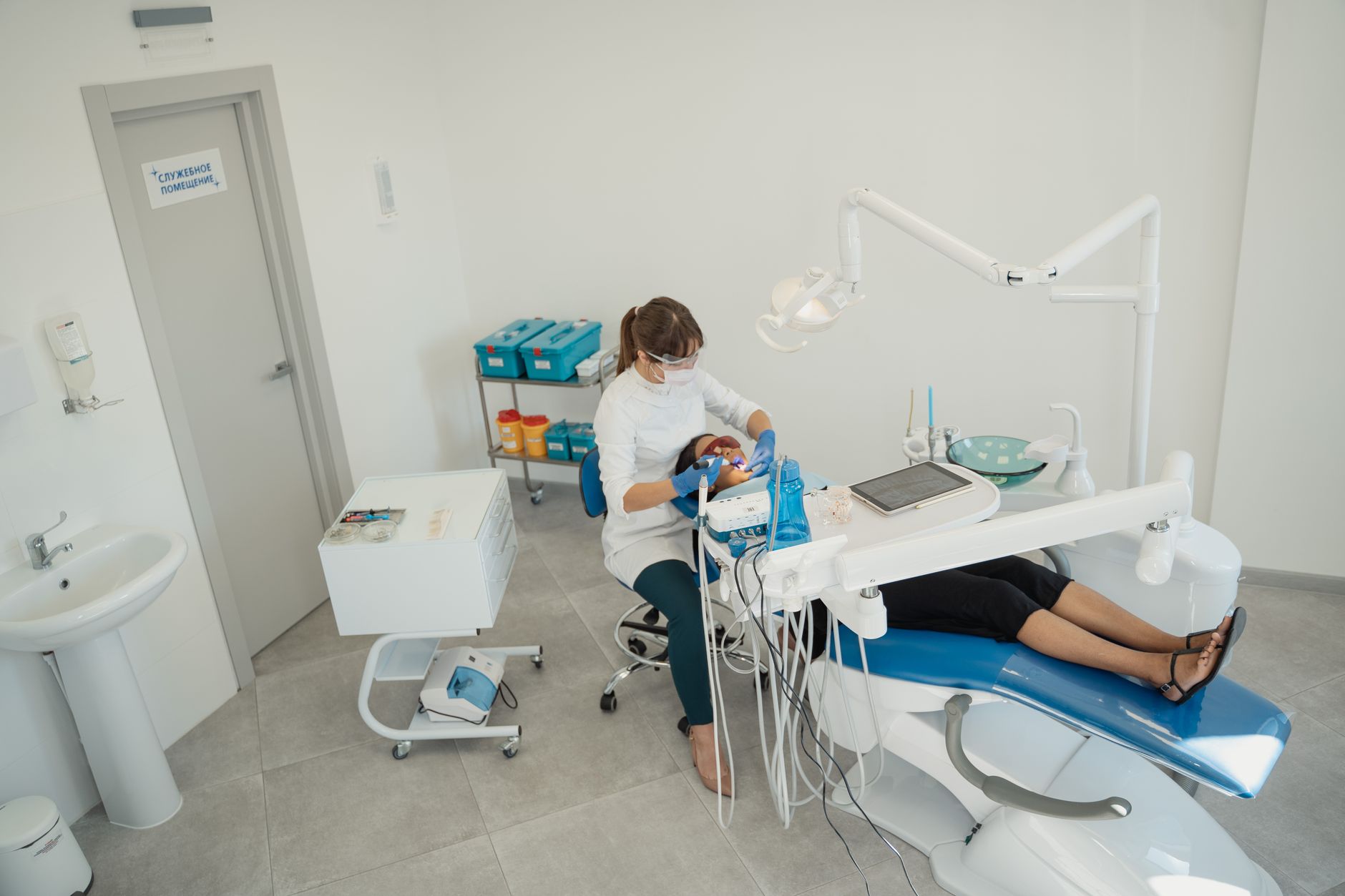
Dental health strategies have experienced a fundamental shift over the past decade. The traditional approach—waiting for a toothache or structural damage before visiting a clinic—is quickly giving way to proactive, preventative care models. Research continues to highlight the direct connection between periodontal conditions and systemic health, underscoring that a healthy mouth acts as a crucial shield for the entire body.
For modern families and individuals, maintaining optimal oral health requires more than just brushing twice a day. It demands a structured approach combining rigorous home hygiene, advanced diagnostic technology, and consistent professional oversight. Implementing proactive preventative strategies helps preserve natural teeth, reduces lifetime healthcare costs, and protects overall well-being.
The Mouth-Body Connection: Systemic Impacts of Oral Health
Oral hygiene goes far beyond achieving a bright smile; it serves as a critical frontline defense for systemic wellness. Chronic inflammation and bacterial overgrowth in the oral cavity rarely remain localized. Pathogenic bacteria associated with periodontitis can enter the bloodstream through inflamed gum tissue, triggering or compounding inflammation elsewhere in the body.
Cardiovascular wellness is particularly vulnerable to poor oral health. Studies show that oral bacteria traveling through the circulatory system can attach to fatty deposits in blood vessels, contributing to arterial plaque accumulation, increased clot risks, and elevated cardiovascular strain.
Similarly, the relationship between oral inflammation and metabolic disorders like diabetes operates as a two-way street. Severe gum disease raises systemic inflammatory markers, making blood glucose management significantly more difficult for diabetic patients. Conversely, uncontrolled blood sugar levels impair the body's ability to heal and fight off infections, accelerating periodontal breakdown. Addressing oral issues early effectively eliminates a primary source of chronic systemic strain.
Core Pillars of Comprehensive Preventative Care
A resilient preventative dental strategy relies on three main pillars: daily hygiene habits, targeted dietary choices, and customized clinical treatments.
Effective Daily At-Home Routines
While basic brushing is universal, technique and consistency dictate its true efficacy. A high-performance routine includes:
- Gentle Micro-Cleaning: Brushing at a 45-degree angle toward the gumline using soft bristles prevents enamel abrasion while disrupting subgingival biofilm.
- Interdental Disruption: Dental floss or interdental brushes reach the remaining 35% of tooth surfaces that standard brushes miss, removing plaque before it hardens into calculus.
- Tongue Cleaning: Utilizing a dedicated scraper clears bacterial buildup from the dorsal surface of the tongue, reducing bad breath and oral microbial loads.
Biofilm and Enamel Protection
Diet plays an active role in maintaining the oral microbiome. Frequent exposure to refined carbohydrates and acidic beverages causes enamel-demineralizing acid spikes. Consuming fiber-rich vegetables, leafy greens, and calcium-dense foods stimulates saliva production. Saliva acts as a natural buffer, neutralizing acids, washing away debris, and delivering essential minerals like calcium and phosphate back into enamel.
Clinical Interventions for All Ages
Professional preventative treatments reinforce daily home care. Dental sealants act as physical barriers over the deep grooves of molars, significantly reducing decay risks in children and teenagers. Topical fluoride applications re-harden compromised enamel, making teeth more resistant to acid erosion. Regular professional cleanings remove calculus deposits that standard brushing cannot dislodge, keeping gum tissue tight and healthy around tooth roots.
Modern Diagnostics and Early Intervention Technologies
Modern diagnostic tools have drastically altered how dental practices detect and treat subtle issues. The transition away from purely reactive dentistry relies on advanced imaging and monitoring systems that catch damage at the microscopic level long before physical symptoms or pain arise.
Digital X-rays produce precise images using a fraction of the radiation of traditional film, uncovering interproximal cavities and subterranean bone loss early. Intraoral cameras give patients clear, real-time views of their teeth, turning checkups into visual educational sessions.
Laser diagnostics can now measure enamel density, detecting micro-fractures and early demineralization zones that remain invisible to the naked eye. By detecting structural decay during its earliest phases, clinicians can employ minimally invasive remineralization treatments, avoiding the need for deep fillings, root canals, or extractions later on.
Creating an Age-Tailored Dental Care Blueprint
Oral health requirements change across different life stages. Crafting an effective lifelong strategy involves tailoring care habits to the dynamic needs of every family member.
Childhood (Ages 0 to 12)
Focus centers on guiding proper jaw development, establishing healthy oral habits, and protecting erupting adult teeth. Early dental visits help children acclimate to clinical settings without fear. Preventative orthodontics and bite monitoring during growth phases help prevent severe alignment problems later in adolescence.
Adulthood (Ages 13 to 60)
Stress, shifting schedules, and lifestyle factors make adults susceptible to localized gum inflammation, enamel grinding, and root damage. Custom nightguards prevent nighttime wear from teeth grinding, while regular professional checkups monitor early signs of periodontitis. Partnering with a reliable dentist in saratoga springs ny ensures that individual risk factors are identified early through personalized cleanings and routine screenings.
Senior Care (Ages 60+)
Aging adults face unique concerns like medication-induced dry mouth, gum recession, and structural root decay. Reduced saliva flow accelerates tooth decay significantly. Specialized hydrating rinses, fluoride varnishes, and careful restorative maintenance help seniors retain their natural teeth and preserve proper masticatory function for life.
Sustainable Habits for Lifelong Smiles
Prioritizing preventative dentistry yields benefits far beyond maintaining an attractive smile. Taking proactive steps protects cardiovascular health, simplifies metabolic management, and saves families from undergoing costly, extensive emergency treatments.
Establishing a steady, daily home hygiene routine, keeping up with biannual professional cleanings, and utilizing modern diagnostic technologies allows individuals to safeguard their smiles across every decade. Taking small, consistent actions today remains the simplest, most effective way to secure long-term health, comfort, and confidence for the future.
Which preventative habits or routine updates have made the biggest difference in your family's oral health journey?