
Modern Smiles, Lasting Confidence: The Clinical Reality of Restorative Veneer Dentistry
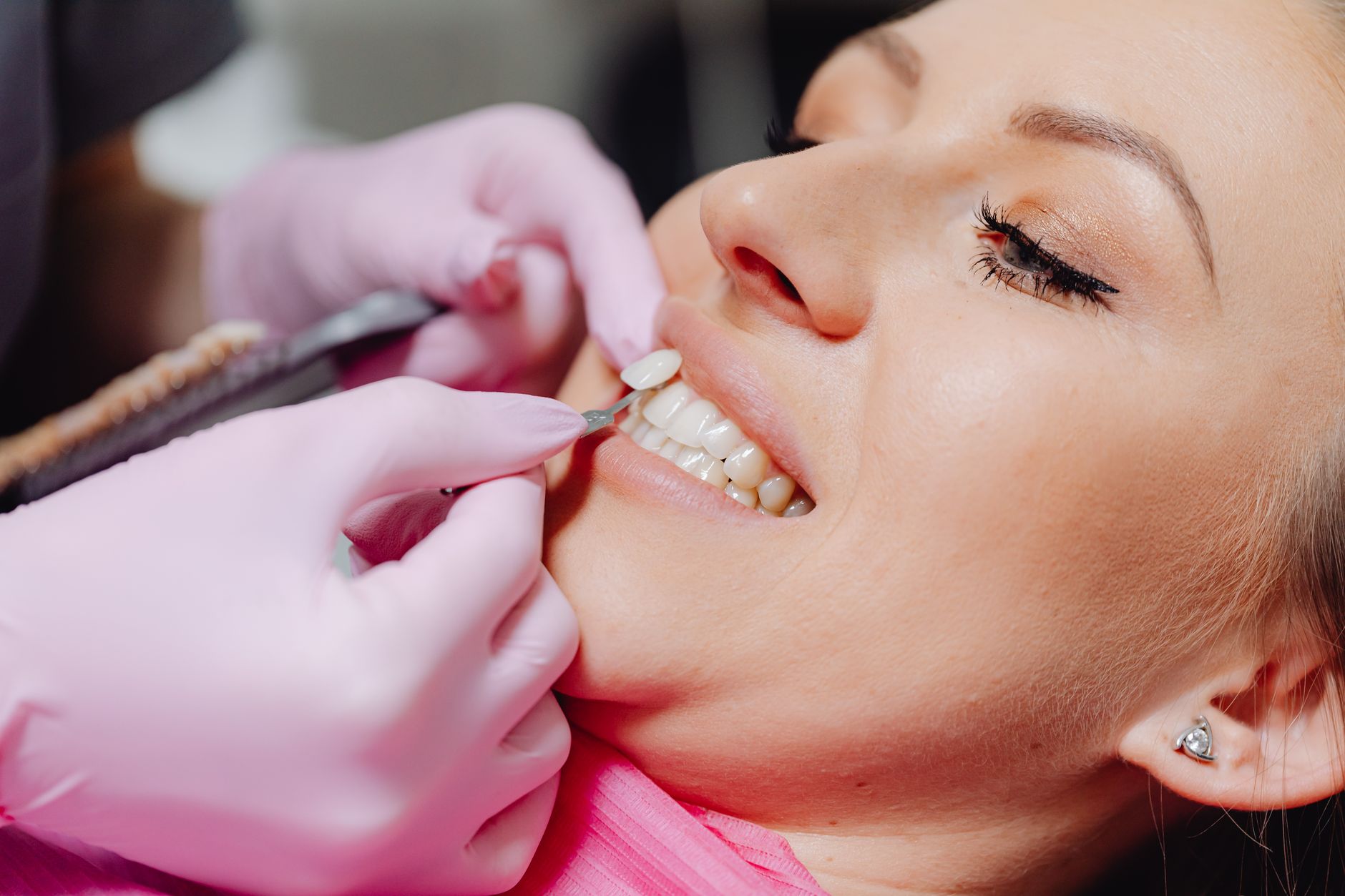
The decision to reshape one’s smile is rarely about vanity alone. Beyond the surface aesthetic, structural anomalies—such as severe intrinsic staining, developmental enamel defects, microdontia, or traumatic incisal chips—often cause functional and social hesitation. While over-the-counter whitening kits and minor bonding agents offer localized fixes, comprehensive smile restoration frequently requires a more predictable, long-term intervention.
Among contemporary cosmetic and restorative modalities, ultrathin ceramic shells have emerged as a premier standard. However, navigating the transition from compromised tooth structure to a fully restored smile requires understanding candidate selection, material properties, conservative preparation principles, and structural longevity.
Candidate Selection and Conservative Preparation Principles
Achieving a natural, long-lasting aesthetic outcome depends on meticulous treatment planning rather than a one-size-fits-all application. Not every patient presenting with discolored or misaligned teeth is an immediate candidate for ceramic restorations.
Structural and Periodontal Baselines
Before any cosmetic alterations begin, the underlying oral foundation must be healthy. Dentists assess several key factors during preliminary screenings:
- Enamel Preservation: The long-term retention of ceramic shells relies heavily on bonding to natural enamel rather than dentin. Patients with severe acid erosion, heavy attrition, or compromised enamel thickness may require alternative restorative strategies.
- Periodontal Stability: Active gingivitis or periodontitis must be completely resolved before impression taking or digital scanning. Subgingival margins placed against inflamed tissue lead to inaccurate fits and potential margin exposure as gums heal.
- Occlusal and Parafunctional Dynamics: Uncontrolled bruxism (nighttime tooth grinding) exerts heavy lateral force on anterior teeth. While severe bruxism requires management with custom nightguards prior to treatment, mild edge-to-edge wear can often be accommodated through careful bite design.
The Mechanics of Enamel Reduction
A common misconception is that receiving restorations requires aggressive reduction of the natural tooth. Modern restorative protocols emphasize conservative preparation, typically removing only 0.3 mm to 0.7 mm of facial enamel—an amount comparable to the thickness of an eggshell. This minimal preparation ensures that the underlying tooth retains its structural integrity while creating space for the ceramic shell to sit flush with adjacent teeth, avoiding a bulky or artificial appearance.
In specific anatomical situations, such as small or inward-slanted teeth, “no-prep” or ultra-thin options allow direct bonding without enamel removal. However, traditional minimal-prep techniques remain the most versatile solution for correcting deeper intrinsic stains, closing diastemas (gaps), and refining altered arch contours.
Material Choices: Ceramic Precision vs. Direct Composite
Selecting the right material involves weighing aesthetic priorities, durability expectations, and financial investment. The two primary choices in modern practice are high-grade dental ceramics (porcelain) and direct composite resins.
Glass-Ceramics and Lithium Disilicate
Porcelain restorations are custom-crafted in a specialized dental laboratory or milled using high-precision CAD/CAM technology.
- Optical Properties: Dental ceramics mimic the natural translucency and light-reflective qualities of real tooth enamel. The material allows light to pass through its outer surface and bounce off the underlying tooth structure, preventing the opaque, “chalky” appearance associated with older dental materials.
- Stain Resistance: Glazed porcelain presents a non-porous surface that resists discoloration from coffee, red wine, or pigmented foods.
- Longevity: Clinical studies show that high-quality porcelain restorations regularly achieve a lifespan of 10 to 15 years or more when supported by good oral hygiene and regular dental checkups.
Composite Resin Options
Composite restorations involve placing tooth-colored resin directly onto the prepared tooth surface and sculpting it in a single chairside visit.
- Convenience and Cost: Because they do not require laboratory fabrication, composite options generally cost less upfront and can be completed in a single appointment.
- Maintenance Considerations: While composite resin is easier to repair directly in the mouth if chipped, it is more porous than ceramic. As a result, it is more susceptible to surface wear and gradual staining over a 5 to 7-year period.
For patients seeking lasting structural enhancement with realistic translucency, exploring localized care options like dental veneers in tallahassee fl can help align cosmetic expectations with high-durability ceramic materials.
Long-Term Maintenance and Protecting Your Investment
Once custom ceramic restorations are permanently bonded with specialized resin cements, maintaining their structural integrity requires straightforward daily care and sensible functional habits.
Daily Hygiene and Non-Abrasive Care
While the porcelain material itself cannot develop tooth decay, the underlying tooth structure beneath and behind the restoration remains vulnerable.
- Brushing Technique: Use a soft-bristled toothbrush alongside non-abrasive fluoride toothpaste. Highly abrasive whitening toothpastes contain harsh silicas that can dull the polished glaze of ceramic surfaces over time.
- Interdental Cleaning: Daily flossing or water flossing around the margin boundaries is critical to prevent marginal decay and keep surrounding gum tissues firm and healthy.
Preventive Functional Habits
Although modern dental ceramics feature high flexural strength, they are designed to handle normal chewing forces rather than unusual impact or shearing stresses.
- Avoid using teeth as tools to open plastic packaging, tear tags, or hold hard objects.
- Refrain from biting nails, chewing ice, or biting directly into hard items like unpopped popcorn kernels.
- Patients who play contact sports or suffer from involuntary nocturnal jaw clenching should wear custom-fitted mouthguards or protective night appliances.
Establishing Lasting Dental Health and Confidence
Investing in a smile transformation involves balancing aesthetic goals with biological health. Ceramic restorations provide a versatile, minimally invasive method to resolve complex cosmetic challenges while preserving the majority of your natural tooth structure. By understanding the preparation process, choosing the appropriate material, and committing to diligent daily care, patients can enjoy a healthy, functional, and radiant smile for many years to come.
Whether you are seeking to repair a single damaged tooth or planning a complete anterior reconstruction, scheduling a comprehensive evaluation with a trusted dental professional is the crucial first step toward realizing your ideal smile.