
Beyond the Aesthetics: How Modern Orthodontic Care Enhances Long-Term Health
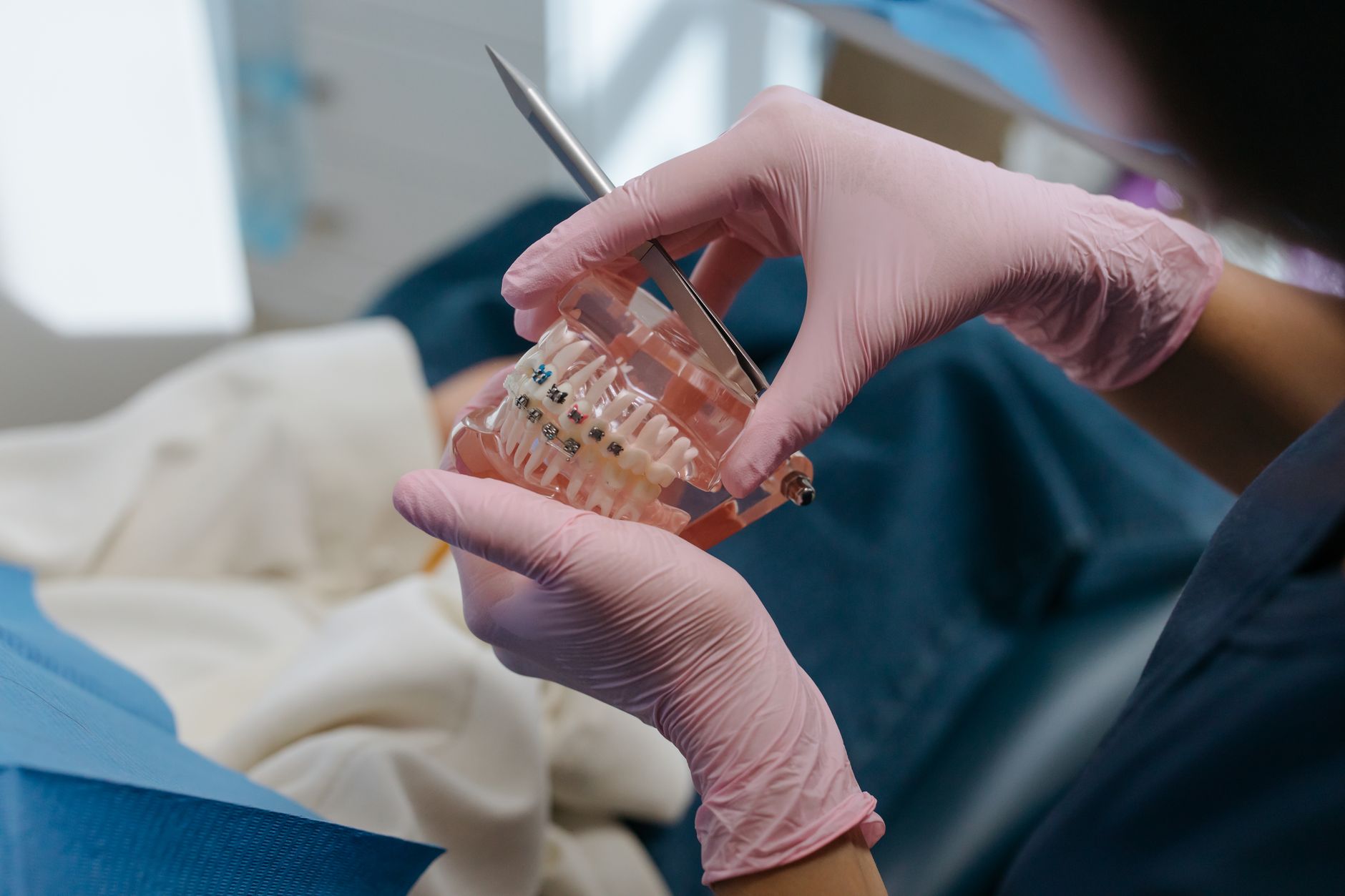
When most people evaluate a smile, they focus primarily on straightness and brightness. It is easy to view orthodontic care as a purely cosmetic endeavor designed to boost confidence for family photos or professional presentations. However, alignment plays a far more fundamental role in systemic wellness and structural oral health than most patients realize.
The American Association of Orthodontists reports that approximately one in three orthodontic patients is an adult, marking a significant shift in how people view dental health throughout their lives. Misaligned teeth, or malocclusion, create subtle mechanical liabilities across the entire oral ecosystem. When teeth sit crookedly or overlap tightly, they create tight physical traps where plaque and food particles collect. These areas are notoriously difficult to clean with standard brushing and flossing, increasing the risk of localized tooth decay and early-stage periodontal inflammation.
By correcting spatial distribution, orthodontic care eliminates hard-to-reach pockets. Proper alignment allows simple home hygiene routines to clean total tooth surfaces effectively, preserving natural enamel and supporting long-term gum health.
Structural alignment and jaw mechanics
Teeth are built to interact in precise harmony. When an upper and lower arch fail to mesh correctly, every bite exerts uneven physical stress across the jaw. Over time, an improper bite can accelerate tooth wear, cause chipped enamel, and put strain on the surrounding jaw muscles.
This mechanical imbalance often manifests as temporomandibular joint (TMJ) dysfunction. Patients suffering from unaddressed bite misalignments frequently report chronic facial tension, morning jaw soreness, and tension headaches that stem directly from the temporomandibular joint compensating for an uneven bite.
Addressing structural discrepancies balances bite forces evenly across every tooth. Proper distribution prevents premature enamel erosion, reduces unnecessary force on individual teeth, and relieves chronic strain on the jaw joints and supporting facial muscles.
The modern spectrum of orthodontic solutions
Achieving ideal alignment no longer requires a single, uniform approach. Today’s options cater to different lifestyles, ages, and clinical demands:
- Traditional metal braces: Utilizing low-profile stainless steel brackets and resilient archwires, modern fixed braces remain the standard for resolving complex bite issues, severe crowding, and significant rotations reliably.
- Clear aligners: Fabricated from smooth, transparent polymers, removable aligners offer a subtle alternative. They allow patients to maintain regular eating habits and uninhibited oral hygiene routines throughout care.
- Phase-one pediatric care: Early intervention monitors developing dental arches in growing children, creating adequate space for permanent teeth and guiding proper jaw growth before more complex issues take root.
Selecting the right modality depends heavily on precise diagnostic assessments, individual bite mechanics, and personal daily routines. For tailored treatment plans, consulting an expert specializing in orthodontics in williamsburg helps patients choose the safest, most effective path to a balanced bite.
Everyday health impacts beyond the mouth
The physical benefits of a balanced bite extend into unexpected areas of daily health. Proper tooth orientation plays an essential role in mechanical digestion. The chewing process serves as the primary stage of food breakdown; when teeth fail to shear food efficiently due to misalignments, larger particles enter the stomach, placing unnecessary strain on the gastrointestinal system and delaying nutrient absorption.
Clear speech production also relies heavily on accurate tooth positioning. Certain consonants require precise contact between the tongue and the back of the upper teeth. Malocclusions, such as significant open bites or severe overjets, can disrupt air flow, resulting in slight lisps or speech impediments that clear up once structural relationships are corrected.
Finally, orthodontic interventions can positively influence airway space. Certain bite configurations—particularly narrow upper arches or underdeveloped lower jaws—can restrict nasal passage volume or push the tongue backward into the throat. Expanding these structures improves airway capacity, which supports easier breathing and better sleep quality.
Investing in long-term oral stability
Orthodontic care is an investment in functional durability, structural longevity, and easier preventative care. Addressing misalignments early protects natural enamel, supports joint stability, and simplifies daily oral hygiene for decades to come.
Whether you are evaluating options for a growing child or seeking to correct long-standing bite issues as an adult, a functional evaluation can map out a clearer path toward lasting health. Taking steps toward proper alignment does more than refine a smile; it protects the vital mechanical framework that supports your daily well-being.