
The Modern Guide to Preventive Oral Health: How to Protect Your Smile at Every Age
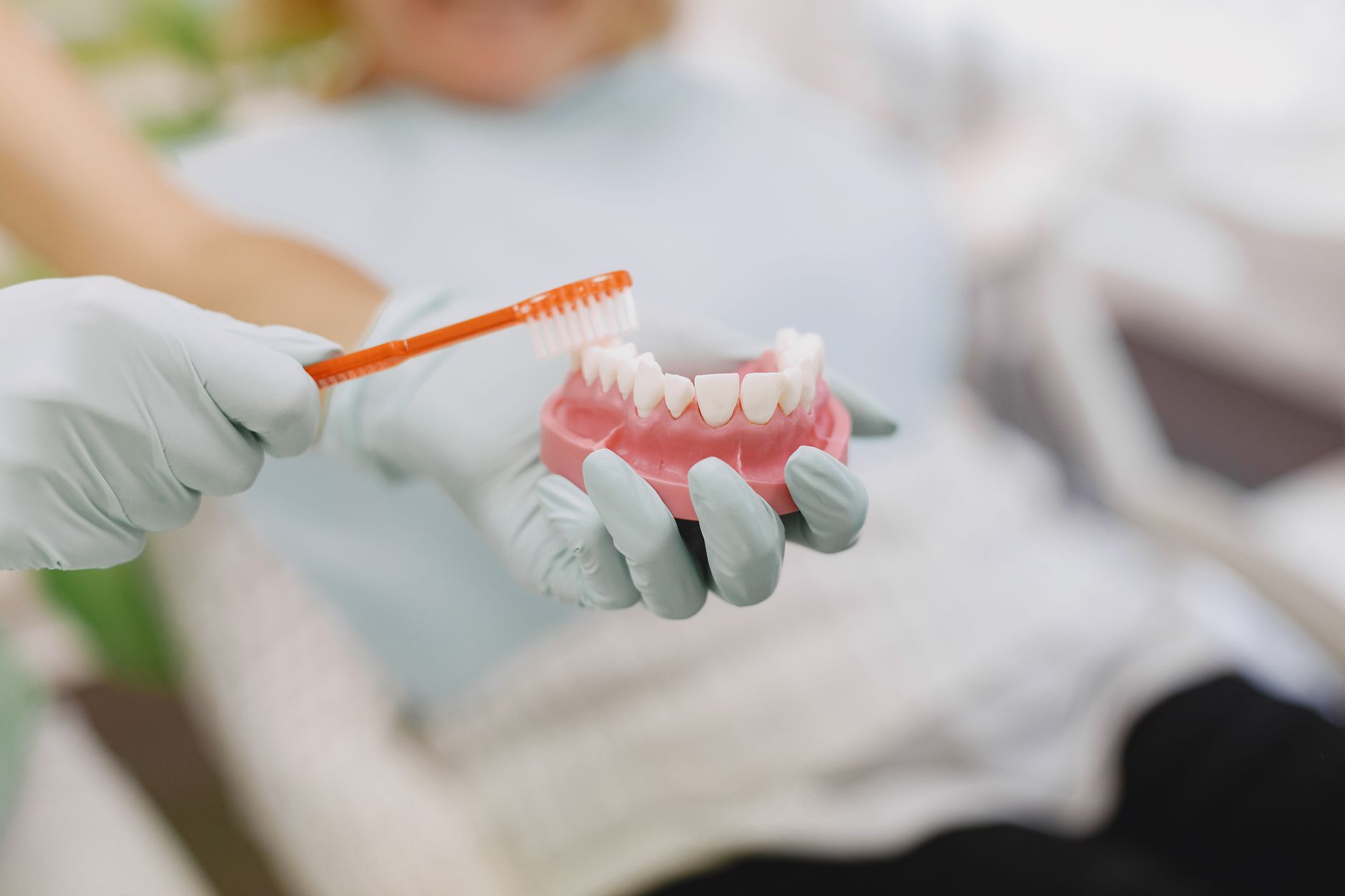
Maintaining a healthy, confident smile requires more than brushing twice a day and hoping for the best. Oral health acts as a mirror to your overall physical well-being, influencing everything from cardiovascular integrity to systemic inflammation levels. Yet, many individuals and families view dental care as a reactive task—something to address only when a toothache strikes or a visible issue arises.
Taking a proactive approach to dental care saves time, avoids unnecessary discomfort, and keeps your family’s smiles healthy over a lifetime. This guide outlines how oral health evolves across different life stages, what modern preventive care looks like, and how to choose the right provider for your family.
The Oral-Systemic Connection: Why Dental Care Extends Beyond Your Teeth
For decades, oral health was treated as separate from general medicine. Modern clinical research has fundamentally changed that view. The mouth serves as the primary gateway to the body, hosting a complex microbiome that, when balanced, protects against harmful pathogens. When oral hygiene declines, bacteria can enter the bloodstream and contribute to inflammation throughout the body.
Periodontal (gum) disease is one of the most common chronic inflammatory conditions. Left untreated, chronic gum inflammation has been linked to several systemic health conditions:
- Cardiovascular Disease: Bacteria associated with severe gum disease can travel through the bloodstream, contributing to arterial plaque build-up and increasing the risk of heart disease.
- Diabetes Management: The relationship between gum disease and diabetes is two-fold. Uncontrolled blood sugar worsens gum inflammation, while active gum disease makes it harder to control blood sugar levels.
- Respiratory Issues: Inhaling oral bacteria into the lungs can trigger or exacerbate lower respiratory infections, particularly in older adults or immunocompromised individuals.
Prioritizing routine cleanings and early intervention is not just about keeping teeth white; it is an essential strategy for long-term physical wellness.
Tailoring Dental Hygiene Across Different Life Stages
Oral health requirements change continuously from early childhood through older adulthood. A one-size-fits-all approach rarely works for a household, making it essential to understand what to focus on at each milestone.
Pediatric Care: Establishing Early Habits
Children should visit the dentist by their first birthday or when their first tooth emerges. Early visits help children build comfort in a clinical environment while giving parents guidance on proper brushing technique, nutrition, and thumb-sucking habits. Preventive treatments like dental sealants—thin protective coatings applied to the chewing surfaces of back teeth—can reduce the risk of cavities in children by up to 80% on molars.
Adults and Professionals: Stress Management and Restorative Care
Adults often face unique dental challenges linked to stress and lifestyle habits. Teeth grinding (bruxism) can silently erode enamel, cause jaw pain, and lead to micro-fractures in teeth. Custom nightguards, routine screenings for oral cancer, and conservative restorative treatments help preserve natural tooth structure as you age.
When choosing care tailored to your location, working with an experienced dentist in clearwater fl ensures access to comprehensive preventive and restorative options that support long-term oral health.
Senior Years: Preserving Function and Gum Health
As people age, natural changes in salivation—often caused by common medications—can lead to dry mouth, which significantly increases the risk of rapid tooth decay and gum irritation. Seniors require targeted fluoride treatments, gentle periodontal maintenance, and solutions for tooth replacement (such as implants or bridges) to maintain proper chewing function and nutritional intake.
Key Pillars of an Effective At-Home Routine
Professional dental visits are critical, but what happens at home between appointments dictates your long-term success. A high-performing daily routine relies on consistency and proper technique rather than aggressive cleaning.
- Brush with Purpose: Brush for two full minutes twice daily using a soft-bristled toothbrush or an electric toothbrush. Hold the brush at a 45-degree angle toward the gumline and use gentle, circular motions rather than scrubbing back and forth.
- Floss Daily without Exception: Brushing misses roughly 35% of the tooth surface. Dental floss or interdental brushes remove plaque and food particles from tight spaces where toothbrush bristles cannot reach, stopping interproximal decay before it starts.
- Incorporate Fluoride or Hydroxyapatite: Use a toothpaste formulated with fluoride or nano-hydroxyapatite to remineralize weakened enamel and protect against acid attacks from food and drinks.
- Hydrate Regularly: Water helps wash away loose debris and stimulates saliva production. Saliva serves as your mouth’s natural defense mechanism, neutralizing acids and delivering essential minerals to enamel.
Choosing the Right Dental Practice for Your Family
Selecting a dental provider for your household is an important health decision. You want a practice that combines up-to-date technology with a compassionate, patient-centered approach.
When evaluating potential practices, consider these factors:
- Comprehensive Scope of Services: Look for a clinic that offers preventive, cosmetic, emergency, and restorative services under one roof so every family member receives consistent care.
- Modern Diagnostic Technology: Digital X-rays reduce radiation exposure compared to traditional film, while intraoral cameras allow you to see exactly what the dentist sees, making treatment recommendations clear and transparent.
- Patient Comfort and Environment: A welcoming atmosphere, clear communication around costs and procedures, and options for anxious patients make routine visits stress-free for both adults and children.
Taking Control of Your Oral Health
Preventive dentistry offers a simple return on investment: small, consistent actions taken today prevent complex, costly procedures tomorrow. By establishing a solid at-home care routine, remaining mindful of changing needs across life stages, and partnering with a trusted dental team, you can protect your natural smile for a lifetime.
If it has been more than six months since your last professional checkup and cleaning, today is the ideal time to schedule an evaluation and put your long-term health first.