
Dry Herb Vaporizer Engineering: Heating Technology and Smarter Device Selection
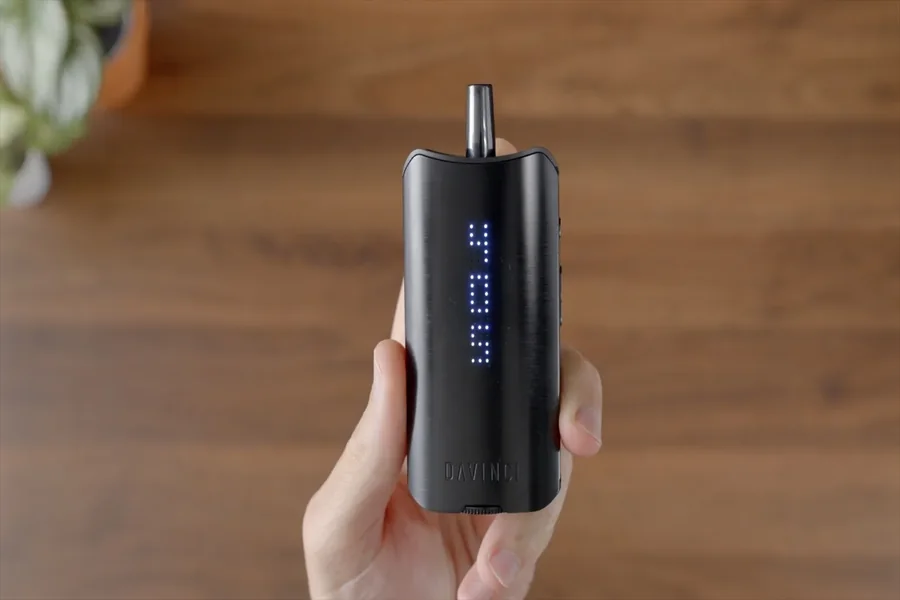
Dry herb vaporizers have evolved significantly as manufacturers apply modern engineering principles to heating systems, temperature controls, airflow design, and battery performance. Unlike traditional combustion methods, these devices heat dried plant material to release vapors without intentionally burning it. Understanding how different heating technologies work can help consumers compare devices more effectively and select an option that matches their preferences. From heating efficiency to material quality, several engineering factors influence the overall performance, usability, and durability of a dry herb vaporizer.
Understanding Heating Technology
The heating system is one of the most important components of a dry herb vaporizer. It determines how heat reaches the material, how consistently temperatures are maintained, and how efficiently the device operates. Most dry herb vaporizers use conduction, convection, or a combination of both methods.
Conduction heating transfers heat through direct contact between the material and a heated surface. This approach can warm the chamber quickly and allow devices to reach operating temperature in a short time. However, uneven contact or poor temperature management may result in inconsistent heating.
Convection heating works differently by passing heated air through the material. This method can provide more uniform heat distribution when the airflow and temperature are properly controlled. Although convection systems may require more sophisticated engineering, they can offer greater control over the heating process.
Hybrid heating combines conduction and convection to balance rapid heat-up times with consistent temperature distribution. When comparing devices, consumers should consider how each system performs rather than assuming one technology is automatically superior.
Temperature Control and Sensor Accuracy
Temperature regulation plays a major role in vaporizer engineering. Different temperature settings can affect vapor production, flavor characteristics, and the rate at which compounds are released from dried material.
Modern devices may include digital displays, adjustable temperature controls, and electronic sensors. These features help users select settings more precisely than devices that rely on basic manual controls. However, the displayed temperature may not always match the temperature throughout the heating chamber.
Sensor placement, calibration, chamber design, and airflow can all influence temperature consistency. A well-engineered device should maintain reasonably stable operating conditions and provide clear feedback about its status.
Consumers should also look for straightforward controls and reliable temperature adjustment. Simple interfaces can make a device easier to operate, particularly for people who prefer predictable settings instead of complicated menus.
Materials, Airflow, and Build Quality
Heating technology is only one part of the overall design. The materials used in the chamber, vapor pathway, mouthpiece, and exterior can also affect durability and maintenance requirements.
Manufacturers may use stainless steel, ceramic, glass, or other materials in different components. Each has distinct thermal properties, durability characteristics, and cleaning requirements. Buyers should prioritize clearly documented materials intended for their specific purpose and avoid devices with uncertain construction or unsupported safety claims.
Airflow design also matters. Restricted airflow can make inhalation more difficult, while poorly designed pathways may contribute to uneven heating or increased maintenance needs. Removable components and accessible chambers can simplify routine cleaning.
Battery Performance and Device Selection
For portable vaporizers, battery capacity and power management are important considerations. A larger battery may support longer operation, but actual performance also depends on heating power, temperature settings, charging efficiency, and device design.
Before purchasing, compare battery specifications, charging options, warm-up time, warranty coverage, and replacement-part availability. Independent reviews can provide useful insights into real-world performance and long-term reliability.
Safety features deserve equal attention. Look for reputable manufacturers, documented electrical protections, appropriate charging equipment, and clear operating instructions. Avoid damaged batteries, modified charging systems, and devices without credible product information.
Final Thought
Dry herb vaporizer engineering involves much more than producing heat. Heating methods, sensor accuracy, airflow, material selection, battery management, and maintenance requirements all contribute to the user experience. Understanding these factors makes it easier to compare products based on measurable design characteristics instead of marketing claims. By prioritizing transparent specifications, reliable construction, practical controls, and established safety standards, consumers can make more informed device-selection decisions.