
Planning a Food-Focused Villa Stay on Barbados’ West Coast
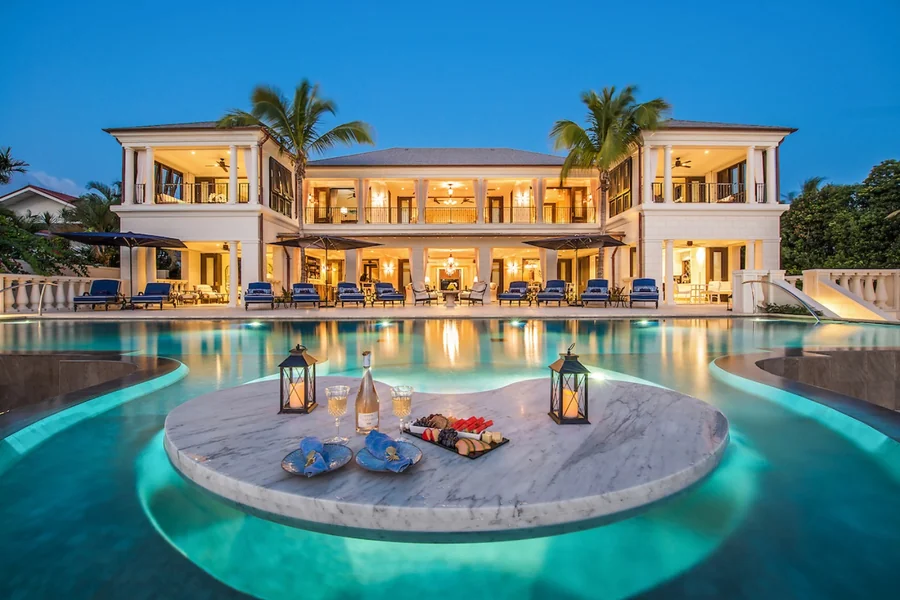
A holiday organised around food does not have to mean a different restaurant every evening. Some of the most enjoyable moments may happen over a slow breakfast, a simple lunch after an outing or a dinner at the house when nobody needs to prepare for another journey. The accommodation can make those moments easier, or turn each one into a logistical exercise.
For a stay in St James, think about food as part of the day’s rhythm. Decide how often you want to go out, how much meal support you need at the property and which experiences deserve advance planning. That produces a more useful brief than simply asking for a villa near good restaurants.
Choose a base for the meals you want to have
Begin with a rough balance between meals at home and meals elsewhere. A couple planning frequent dinners out may prioritise convenient evening transport. A family expecting lunch beside the pool may care more about kitchen arrangements, shade and a comfortable dining table. Neither pattern requires a rigid menu, but each suggests different accommodation needs.
When comparing villa stays in St James, Barbados through Hammerton Barbados, examine how the individual property would support that pattern. Ask about its dining spaces, available meal services and the practical journey to places you are considering. The parish name alone does not tell you whether a restaurant will be a comfortable walk or a trip that needs arranging.
Look beyond the photograph of a formally laid table. Check whether the group can eat together comfortably, where an informal breakfast would happen and whether there is a sheltered alternative if outdoor dining does not suit the conditions. A beautiful terrace is more useful when its seating and shade work at the times you expect to use it.
If the group includes guests with different routines, allow for that in the choice. An early breakfast for some people and a later coffee for others should not require the whole house to reset its plans. Find out what facilities guests can use independently and what depends on a member of staff being present.
Learn enough about local food to ask better questions
Researching the island’s food before departure can turn a vague wish to eat locally into a few specific interests. The official tourism guide’s beginner’s guide to dining in Barbados introduces different parts of the dining scene and gives travellers a starting point for further enquiry. Use it to shape questions about dishes, settings and meal styles rather than treating one list as a complete itinerary.
Choose a manageable number of things you would like to try. Ask a cook or local contact which options suit your plans and what needs arranging in advance. A conversation about ingredients and preparation can be more rewarding than ordering familiar meals throughout the stay while hoping for a sense of place.
Stay open to ordinary meals as well as special occasions. A food-focused holiday can include a modest lunch, a bakery visit or a meal cooked at the villa, depending on what is available and practical. Price and formality are not reliable measures of how memorable an experience will be.
Take preferences seriously without letting them narrow the whole trip unnecessarily. If one person dislikes an ingredient, describe that as a preference. If someone has an allergy or another dietary requirement, communicate it specifically and ask the venue or cook to confirm what can be accommodated. Do not assume that a dish name tells you everything about its preparation.
Make villa meals easy to organise
Confirm whether cooking is included, optional or entirely the guests’ responsibility. Then ask how food shopping works, who agrees menus and how ingredient costs are settled. These questions belong before arrival, especially if the first evening will involve tired travellers and limited enthusiasm for making decisions.
Plan that first meal simply. Agree an approximate serving time that accounts for the journey and ask what happens if arrival is delayed. Provide the number of people eating and any dietary information through the appropriate contact. Avoid several guests sending separate instructions to different people.
For the rest of the stay, a loose meal outline is usually more useful than a fully specified week. Mark confirmed restaurant bookings and excursions so that nobody buys or prepares food for an empty house. Leave some lunches undecided until you know how the group is using its days.
A concise pre-arrival brief can cover the practical points:
- How many guests normally want breakfast, and at roughly what time?
- Which lunches and dinners are definitely planned at the property?
- What dietary requirements need a direct discussion?
- Who can approve grocery spending and menu changes?
- What is the process for requesting an additional meal or inviting a guest?
Keep the arrangement clear enough that changes can be communicated in one message. That makes room for spontaneity without creating avoidable work or waste.
Put restaurant plans into a workable evening
A restaurant booking is only one part of dinner. Check how the group will get there, whether everyone wants the same return time and who will arrange the journey back. If the property’s location makes transport necessary, include that in the plan before choosing a late reservation.
Spread more elaborate evenings across the stay. A run of consecutive bookings can make the holiday feel like a sequence of departure deadlines. Leave an evening free after a long outing or allow guests to choose between a quiet meal at home and going out.
If you are organising a celebration, discuss the details directly with the venue or the person arranging it. Group size, dietary needs, timing and the intended atmosphere should be explicit. A booking note that says only “special occasion” leaves too much to interpretation.
Let the table reflect the holiday you are having
Review the food plan once the stay begins. Perhaps everyone enjoys lunch at the house more than expected, or a particular restaurant merits a return visit. Change the remaining arrangements deliberately and give anyone preparing meals enough notice.
Keep track of shared spending in a simple way, especially where groceries and additional services are involved. Agree which costs belong to the group and which are personal, so that a generous dinner does not create uncertainty later.
A satisfying food-focused stay depends on more than a restaurant shortlist. It combines a suitable base, clear arrangements at the villa and enough uncommitted time to follow an interesting suggestion. When meals fit the location and the group’s pace, eating becomes part of enjoying Barbados rather than another schedule to manage.