
When It Is Safe to Fly After Cosmetic Surgery and How to Prepare
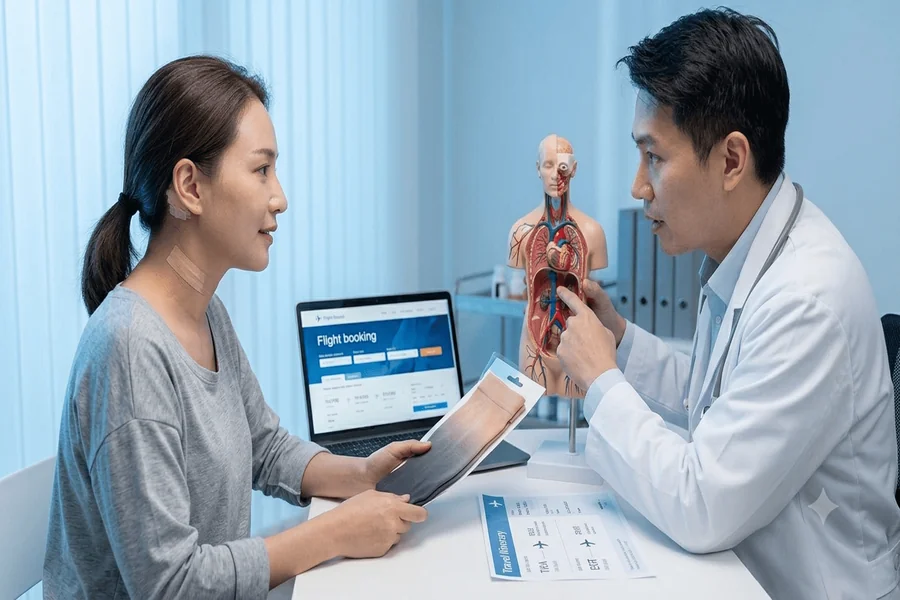
Planning a trip to get cosmetic surgery or returning home after surgery requires careful planning. Although air travel is convenient for accessing medical facilities that provide specialized services, traveling soon after the procedure may pose health risks. Knowing how long you should ideally recover from a surgical procedure, understanding the impact of cabin pressure, and being well prepared can make all the difference.
Understanding the General Timeline for Flying Post-Surgery
Consulting with an experienced provider like Dr. Haruko Okada breast implant surgeon ensures your flight plans align perfectly with your healing process. How long you should wait before flying depends on the specific procedure and how quickly you recover: minor or non-invasive procedures may only require a 48 to 72-hour wait, whereas major surgeries such as abdominoplasties, face-lifts, or breast augmentations typically require a minimum of one to two weeks.
During the initial week following surgery, your surgical wounds would be raw, your tissues inflamed, and there is increased susceptibility to bleeding or accumulation of fluids. Staying close to your surgeons during this initial period allows any swellings that might arise to be addressed promptly. Your surgeon should also perform a post-operative examination to ensure your wounds are healing before you leave.
Medical Risks Associated with Cabin Pressure and Altitude
The airplane cabin is pressurized to mimic higher altitude, which means changes in atmospheric pressure and levels of oxygen. The changes in the environment have various effects on the body after surgery:
- Swelling: Reduced atmospheric pressure leads to the expansion of gases and fluids in the tissues of the body. This can increase swelling at incision sites, causing stiffness or pain.
- Risk of Deep Vein Thrombosis (DVT): After surgery, immobility in a tightly bound airplane seat can lead to clot formation in the deep veins of the leg. If the clot breaks away, it can cause a very dangerous condition known as pulmonary embolism.
- Dehydration: Airplane cabin air is notoriously dry, which can slow down circulation and exacerbate systemic fatigue during early recovery.
Working alongside a dedicated professional, such as Dr. Haruko Okada breast implant surgeon, gives patients a clear understanding of these risks and personalized strategies to mitigate them safely.
Managing Post-Operative Symptoms and Emergencies Mid-Flight
Even with thorough planning, unexpected discomfort or surgical complications can arise while in transit. Being prepared to handle physical discomfort, mild nausea, or incision site tension during a flight is an essential component of a safe travel strategy.
Changes in cabin pressure can cause unexpected spikes in pain or localized tension near surgical drains and sutures. To manage these symptoms effectively, keep a detailed travel kit within arm’s reach containing prescribed pain management medications, anti-nausea treatments, and extra sterile dressing supplies. If you experience a sudden surge in swelling or pain, applying cold compresses (if cleared by your doctor) and adjusting your seating angle can offer immediate relief.
Furthermore, you should establish a clear communication plan with your surgeon’s clinic prior to departure. Know how to reach your care team after business hours, and keep a paper copy of your operative summary and emergency medical contacts in your personal item. In the rare event of severe symptoms, such as sudden shortness of breath, acute chest pain, heavy bleeding from incision sites, or excessive swelling in one leg, notify the flight crew immediately so they can assist you and coordinate medical support upon landing.
Essential Steps to Prepare for Flight Day
Once your medical team has cleared you to travel by air, planning beforehand will ensure that your health is taken care of and that your experience is comfortable.
First of all, you should move around actively on the day of your travel. Should your flight be longer than two hours, try to stand, walk around the cabin, or do calf raises at least once an hour. Compression stockings can be worn to promote circulation and prevent swelling in your legs.
Secondly, make sure that you drink plenty of fluids and have easy access to all necessary medications. Drink plenty of water in the airport and onboard without consuming caffeine and alcohol, which lead to dehydration. Have all your medications, including those for pain and any surgical needs, easily available in your hand luggage.
Finally, make arrangements for the transportation of heavy luggage. Heavy bags may put pressure on your chest, abdomen, and arms, which can affect healing. Make use of airport facilities for the transportation of your bags or travel with an attendant.
Conclusion
Patience is key to a successful surgery. As you might be anxious to head back home or go on a vacation, making sure that you give your body time to recuperate before flying ensures that your surgery is well taken care of and your health is guaranteed. Always seek medical clearance from your surgical team before buying flight tickets, and follow all post-surgery guidelines. Having a board-certified professional like Dr. Haruko Okada breast implant surgeon makes sure that everything goes as it should.