
5 Exterior Painting Habits That Keep Your Home Looking Fresh Through Wet Weather
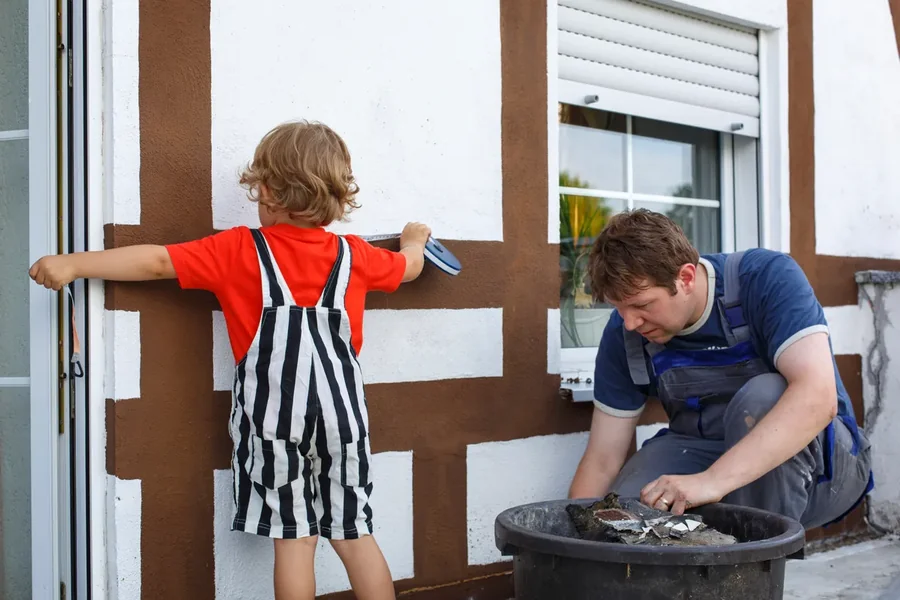
You can spend good money on paint and still find it peeling a year later if rain keeps finding its way into the wrong places. Maybe the paint around your back door is starting to bubble, or the wall beneath a gutter has developed a stain that never quite goes away. These are common headaches for homeowners who deal with frequent rain. Good exterior house painting is about more than picking a color you like. A little attention to the condition of your home, the weather, and the surfaces you are painting can save you from doing the same job twice.
1. Walk Around the House and Look for Trouble
You do not need special equipment to spot the early signs of paint damage. Take a slow walk around your property and look at the walls, window frames, doors, and trim. Check for the following:
- cracked paint
- small bubbles
- peeling corners
- patches that remain wet long after the rain stopped
If something looks different from the rest of the wall, take a closer look. You’ll want to fix those before the problem spreads.
Pay particular attention to places where water tends to collect. The area beneath a gutter, the bottom of a wooden door frame, or a joint near a window can reveal problems that are easy to miss from a distance. If you find a damp patch that keeps coming back, work out where the water is coming from before repainting. Covering it with another coat might improve the appearance briefly, but it will not fix the cause.
2. Don’t Rush to Paint After a Rainy Day
A break in the rain can make painting seem like a good idea, especially when you have been waiting all week to get started. Still, a wall that looks dry may hold moisture beneath the surface. Painting too soon can interfere with adhesion and leave you with an uneven finish or peeling paint later. Wood and masonry may need more drying time than you expect.
Check the forecast before opening the paint tin. You need enough time for the surface to dry before application and for the paint to cure according to the product instructions. The following elements all affect the entire process:
- humidity
- rain fall
- temperature
- direct sunlight
If the weather looks uncertain, waiting another day is often less frustrating than repairing a paint job that rain has spoiled.
3. Deal With Peeling Paint Before Adding More
When paint starts to flake, the temptation is to brush over it and hope the new coat hides the damage. That rarely works for long. Loose paint needs to be removed, and the edges of the remaining finish should be smoothed where necessary. Otherwise, the fresh paint may lift along with the old layer.
Cleaning matters just as much as scraping. The following can stop paint from sticking properly:
- dirt
- dust
- cobwebs
- mold/ mildew
- grime
Use a suitable cleaning method and let the surface dry completely. Look for cracks around doors and windows, too, and replace damaged caulk with an appropriate product. If you find rotten wood or crumbling masonry, repair that damage before painting rather than expecting paint to cover it up.
4. Stop Rainwater From Running Down Your Walls
Sometimes the problem isn’t the paint at all. A clogged gutter can send water cascading down the siding every time it rains, leaving marks and wearing away the finish around the same spot. Clear out leaves and other debris, then check that water flows freely through the downspouts. Make sure the outlets carry water away from the house instead of releasing it right beside the walls.
Have a look at the ground around your home after a heavy shower. If water sits against the foundation or splashes onto the lower siding, you may need to improve drainage. Plants can cause trouble as well when branches or dense leaves press against painted surfaces and prevent them from drying. Trim them back enough to allow air to circulate. These jobs may not be as satisfying as seeing a freshly painted wall, but they can help that finish last longer.
5. Pick Paint That Can Handle Your Local Weather
A paint that works beautifully on an indoor wall isn’t necessarily suitable for the outside of your house. Always remember that exterior surfaces have to cope with these:
- rain
- sunlight
- temperature changes
- wind
- everyday wear
Check that the product is made for your particular surface, whether that means wood, brick, stucco, or metal. The right primer can also make a difference, especially where repairs have exposed bare material.
It is worth paying attention to the instructions on the tin, even if you have painted a house before. Applying too little paint to stretch the budget can leave the surface poorly covered, while rushing the next coat can affect the finish. During exterior house painting, stick to the recommended coverage and drying times rather than trying to finish everything in one afternoon. If paint keeps failing in the same areas despite your efforts, ask a professional to check for moisture problems or other damage that may be hidden beneath the surface.
Final Word
Rain will always test the outside of your home, but peeling paint doesn’t have to be an annual problem. Keep an eye out for damage, sort out drainage issues, and give every surface the preparation and drying time it needs. When planning exterior house painting, choosing suitable products and applying them properly can save you time and money down the road. A well-maintained exterior is easier to care for, and you won’t have to reach for the paintbrush every time the wet season rolls around.