
Why Loading Dock Speed Defines Modern Logistics
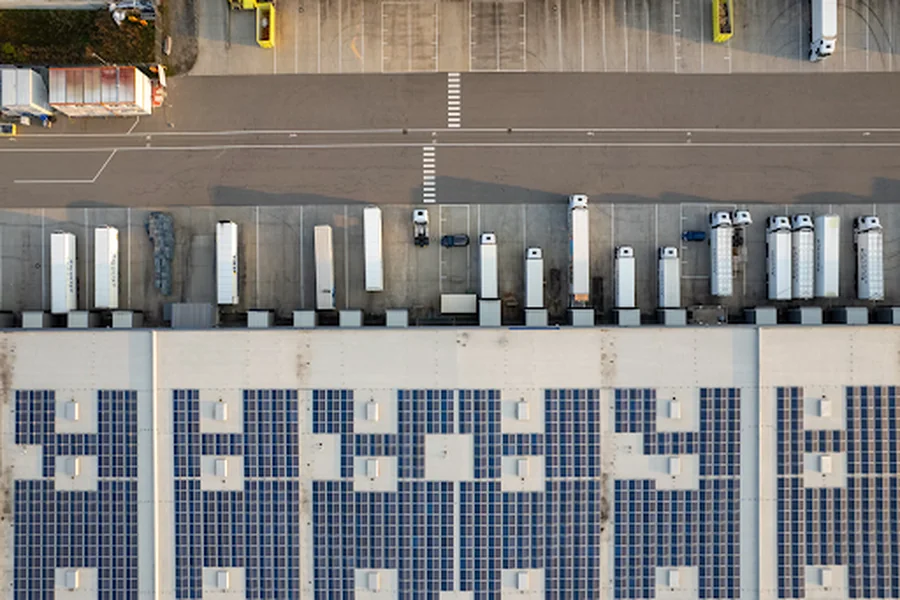
Loading dock speed affects how quickly goods move through a distribution center, but the real measure goes beyond how fast a trailer gets emptied. Door reliability, worker coordination and equipment condition determine whether a facility can maintain a steady flow without creating avoidable delays. When an opening fails or a staging area becomes congested, the disruption can spread from the dock to inventory, transportation schedules and customer deliveries.
Distribution Centers Under Pressure
Distribution centers often work within narrow appointment windows. A 15-minute delay at one bay may leave a driver waiting, block the next arrival and force warehouse staff to rearrange planned tasks. These small interruptions become expensive when they occur across several shifts.
Managers should track door cycle times, unplanned downtime and trailer dwell time by bay. Patterns in that data can expose a slow door, recurring alignment issue or scheduling bottleneck. Florida businesses with doors that show inconsistent movement or frequent service needs can ask Paratec Door about scheduled inspections, preventive maintenance programs and safety checks. Addressing minor wear before failure helps keep loading schedules predictable during high-volume periods.
Safety Risks at the Threshold
The loading dock brings people, powered equipment and moving vehicles into a compact area. Limited visibility, height differences and rushed departures can turn a minor mistake into a serious incident. Common risks include workers stepping near an exposed edge, trailers moving before loading finishes and equipment crossing an unstable transition.
Effective loading dock safety solutions combine physical controls with clear procedures. Mark pedestrian lanes, keep sightlines open and assign responsibility for confirming that a trailer is secure. Managers should also inspect lights, communication signals and dock levelers at the start of each shift. A fast operation still needs a clear stop-work rule when a door, restraint or transition surface appears unsafe.
Maintaining High-Cycle Industrial Openings
A busy industrial door may complete hundreds of cycles during a single shift. Each movement places stress on rollers, tracks, hinges, cables, seals and controls. Dirt buildup or a small alignment problem can increase resistance, which accelerates wear and makes operation less consistent.
Set inspection frequency according to actual cycle counts instead of relying only on calendar dates. Staff can perform quick visual checks for unusual gaps, damaged seals and jerky movement, while qualified technicians handle adjustments and component repairs. Record every inspection and service call by opening. That history makes repeat failures easier to identify and helps managers plan work during quieter periods. If a door starts moving differently, makes an unfamiliar sound or fails to close evenly, remove it from routine use until it has been assessed.
Future Proofing Against Weather Risks
Weather can disrupt dock performance even when the door itself remains operational. Wind-driven rain may create slippery floors, while extreme heat or cold can affect indoor conditions each time an opening stays exposed. Damaged perimeter seals also allow dust, moisture and outside air to enter the building.
Planning for future-ready dock logistics should include sensors, condition alerts and controls that show how long each door remains open. Facilities can also inspect drainage before storm seasons, replace worn seals and establish an alternate bay plan for severe conditions. A designated backup opening prevents staff from improvising when the busiest bay becomes unavailable. The strongest test is simple: the dock should keep goods moving safely even when the weather and daily schedule stop cooperating.