
How Paper Lampshades Shape Light Differently Than Fabric in a Living Space
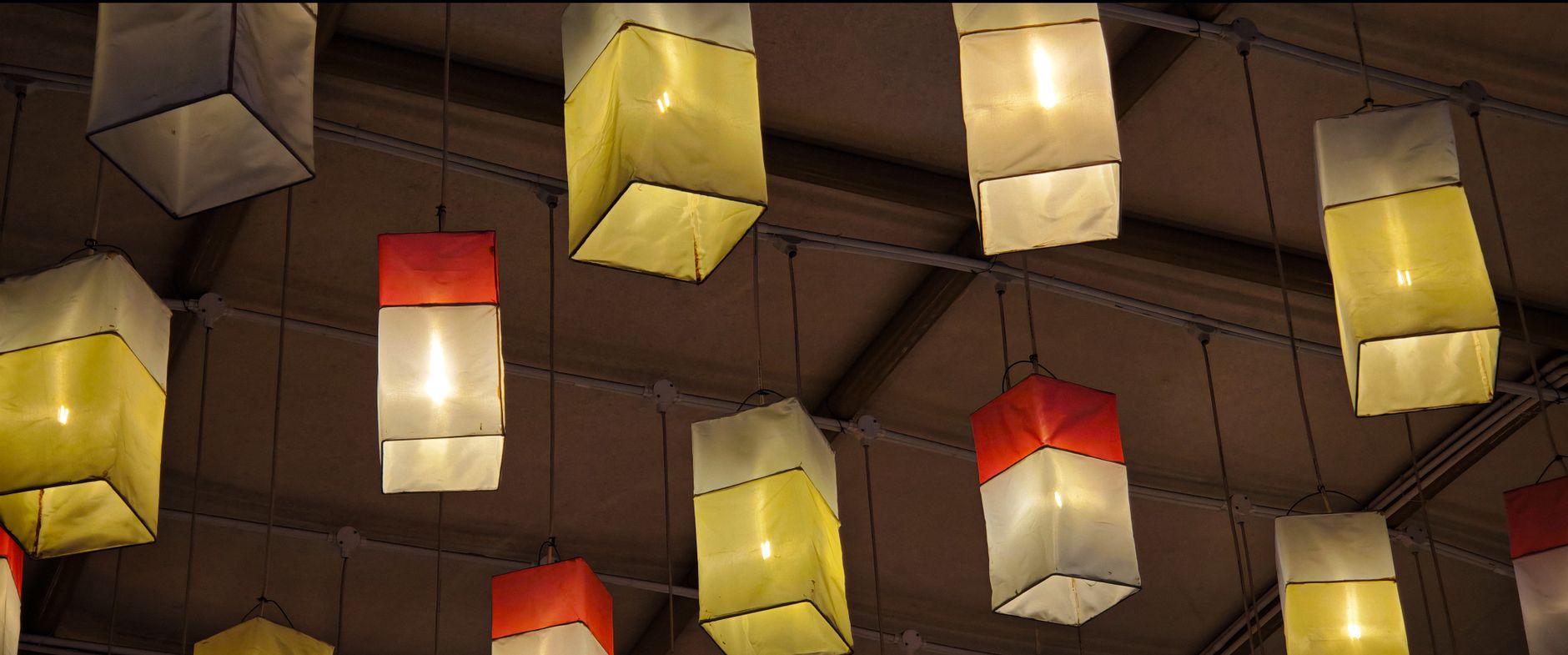
A lampshade changes how a room looks and how comfortable its light feels. Paper and fabric filter a bulb differently, affecting glare, the spread of light, and the way nearby colors and textures appear. The right choice depends on the lamp’s purpose, its position, and the room around it. A few simple comparisons can clarify what each material will bring to your living space.
How Light Passes Through Each Material
Paper controls both the view of the bulb and the light that reaches nearby surfaces. A paper lampshade with a patterned surface adds detail while the lamp is off, then softens direct glare when it is on. Check its appearance in daylight and after dark, especially from the seats where you spend the most time.
The finish affects the way the light reads. A pale, even surface gives the shade a more uniform glow; marbling or a printed motif creates visible variation. The bulb also determines brightness, so assess the shade with the lamp switched on rather than judging it by daylight alone.
Fabric filters light through its weave and any lining. A close weave or lining limits how much light passes through the material, while a more open weave lets the shade glow more. Fabric suits a room that needs a softer pool of light without an assertive surface pattern.
What Each Material Adds to the Room
Paper can bring color and pattern into a room without adding another textile. A marbled surface, for example, remains part of the room’s composition even when the lamp is off. Compare the pattern with nearby artwork, rugs, and wall colors in daylight before deciding where the shade belongs.
Fabric relates naturally to soft furnishings. A shade that picks up the color of a curtain or cushion can connect those elements, while a plain fabric gives patterned upholstery room to stand out. Its texture matters too: smooth fabric creates a different effect beside woven furniture or a textured rug.
Consider the view from the sofa, not just the lamp’s position beside a table. Patterned paper draws the eye when it sits in a clear line of sight. A subdued fabric shade recedes and leaves more attention for a reading chair or artwork.
Match the Shade to the Lamp’s Job
Start with the lamp’s purpose. A reading lamp needs to put useful light on a page without exposing the bulb to someone seated nearby. An accent lamp can focus on a gentle glow and a shade that suits the room.
Use these checks to connect the material with how you use the lamp:
- Choose a less transparent shade if direct bulb glare distracts from a seat.
- Consider patterned paper if the lamp needs visual interest when switched off.
- Pick fabric that relates to nearby upholstery without matching every textile.
Check the existing fitting before choosing a shade. Its shape and proportions affect how the shade sits and where light falls. A material that looks right on its own can seem out of balance if the shade is too wide or tall for the lamp base.
Consider Color, Pattern, and Placement
Color affects how light appears on nearby walls and furnishings. A light shade keeps the glow visually open, while a darker or more saturated surface draws attention to the shade. Compare the material with the lamp in the room, where wall color and daylight change how both look.
Placement also changes the effect. A table lamp beside a pale wall makes its glow easy to see; one surrounded by dark furniture reads differently. Check the shade from the doorway and the main seating area. Make sure its pattern does not compete with a busy view.
For a pair of lamps, decide whether to use identical shades or different patterns in the same material. Matching shades create visual order on either side of a sofa. A single patterned shade can mark a reading corner without repeating the motif elsewhere.
Conclusion
Test the shade where the lamp will sit. Compare its appearance with the lamp off and on, view it from the seats you use most, and decide whether the room needs less glare, a connection to its textiles, or a visible pattern. Then check the shade’s fit against the lamp base and surrounding furnishings. This gives you a practical basis for choosing between paper and fabric.