
Keeping an Older Riding Mower Running With the Right Replacement Parts
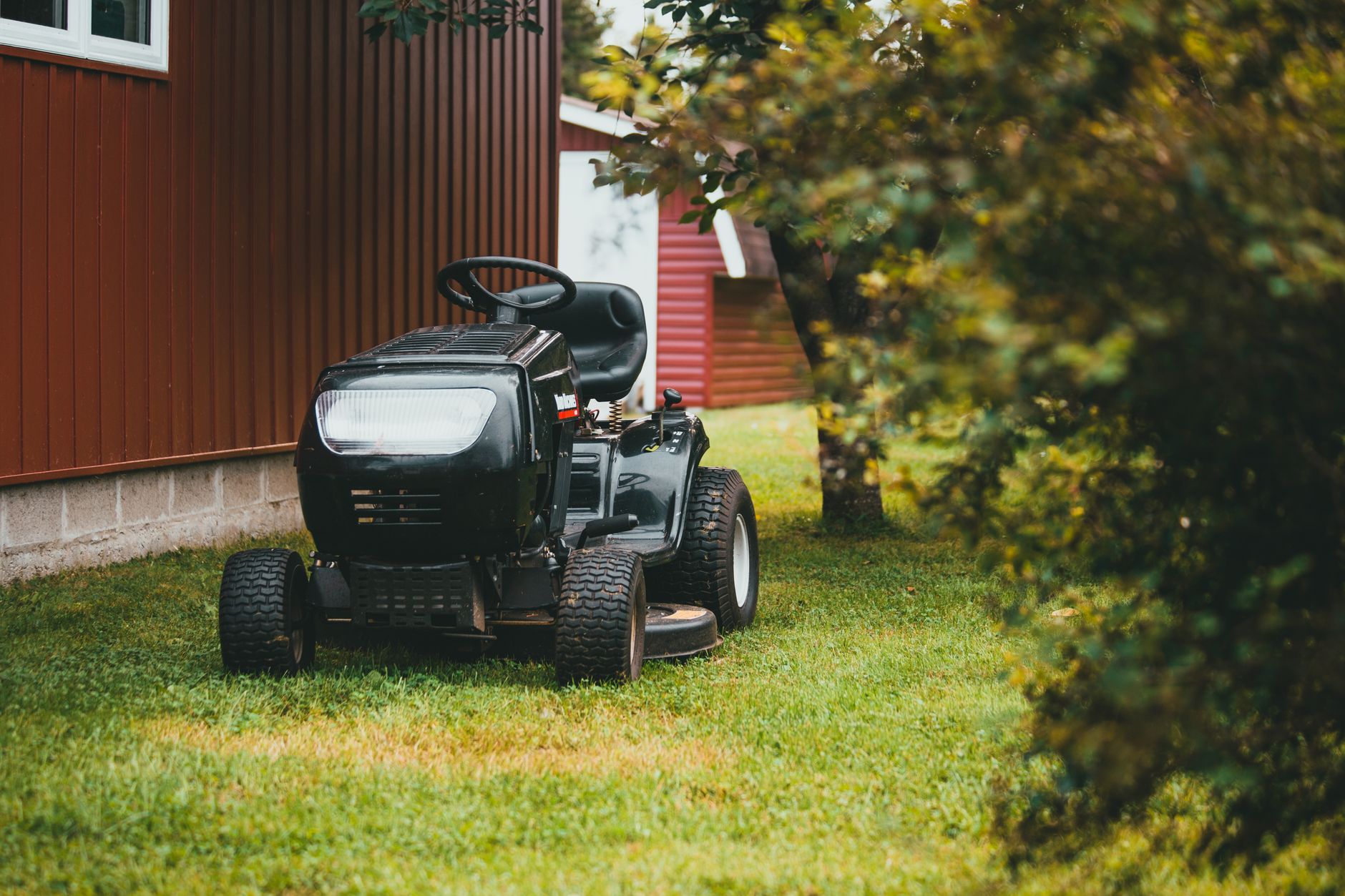
An older riding mower can remain dependable when routine maintenance catches small faults before they become expensive repairs. The difficult part is identifying the correct component and fixing the cause of a problem instead of replacing parts at random. A careful inspection, accurate model information, and a sensible repair order reduce wasted time and help you return to mowing sooner. Begin with the mower’s condition.
Match Parts to the Exact Mower
Parts catalogs cover many categories, including belts, blades, filters, ignition components, and deck hardware. A broad catalog of John Deere lawn mower parts can help you locate the right type of component, but the mower’s model and the part’s identifying details should determine the final choice. Use the available descriptions to narrow the search, then confirm the fit before placing an order.
Check whether the listing identifies compatible mower models, the part number, and any distinctions that apply to that component. If the information does not match your records, pause and verify it through the manual or a qualified parts specialist. A matching brand name or general category does not prove that a component will fit.
Consider what else the repair requires. A replacement belt can fail again if a pulley binds or if the belt follows the wrong route. Before installing the new part, inspect nearby components and review the relevant service instructions. Correcting the underlying fault protects the replacement and prevents repeat work.
Start With a Focused Inspection
Before ordering anything, note what happens when you start and operate the mower. Record whether the engine cranks, whether the blades engage, and whether the machine loses power under load. Those details narrow the possible fault and reduce the chance of replacing a component that still works.
Inspect the battery, wiring, belts, fuel lines, mower deck, and controls for visible wear or damage. Look for leaks, loose connections, and unusual sounds. Park the mower on a level surface, switch off the engine, remove the key, and wait for moving parts to stop before beginning the inspection.
Next, check the mower’s manual or identification label for the exact model information. Similar machines can use different components, so appearance alone does not confirm compatibility. Record the model details and, where possible, the number printed on the part being replaced. That information makes an accurate parts search much easier.
Prioritize Repairs That Affect Operation
Some faults prevent mowing, while others allow the machine to run but make its operation unreliable or unsafe. Address problems with starting, steering, braking, and blade control before dealing with cosmetic wear. Do not operate a mower with a damaged safety control or a component that prevents predictable operation.
For routine service, inspect the air and fuel filters, spark plug, battery connections, belts, and blades. Replace a component when its condition or the service schedule calls for it. Changing several parts without a clear reason makes it harder to determine which repair solved the problem.
Keep the work area clear, remove the key, and follow the manual’s safety instructions before servicing the deck or engine. If a repair involves a system that you cannot inspect safely, get qualified assistance rather than guessing. The correct part still needs proper installation.
Make Each Repair Easier to Repeat
Keep a simple maintenance record with the date, mower model, part number, and work completed. Note the symptoms before the repair and whether they stopped afterward. Those records help you identify recurring faults, track normal wear, and make future parts searches more accurate.
Store manuals and spare components in a dry location, preferably in their original packaging. Label each part with the mower model and its intended location. Avoid buying duplicates until you have confirmed that the first replacement fits and that the repair resolved the problem.
Inspect the mower before the first long run of each mowing season. Check the tire condition and pressure according to the manual, clear debris from the deck, and look for loose fasteners or cracked components. A short inspection can reveal wear before it interrupts your mowing schedule.
Conclusion
A dependable repair begins with a clear symptom, exact mower identification, and a component that matches the machine. Inspect surrounding parts so the original fault does not damage the replacement, then record what you changed and whether the repair worked. Before ordering, compare the model and part details with the manual. That habit keeps repairs focused and helps an older mower remain useful.