
The Case for Choosing European-Designed Wooden Toys Over Plastic Ones
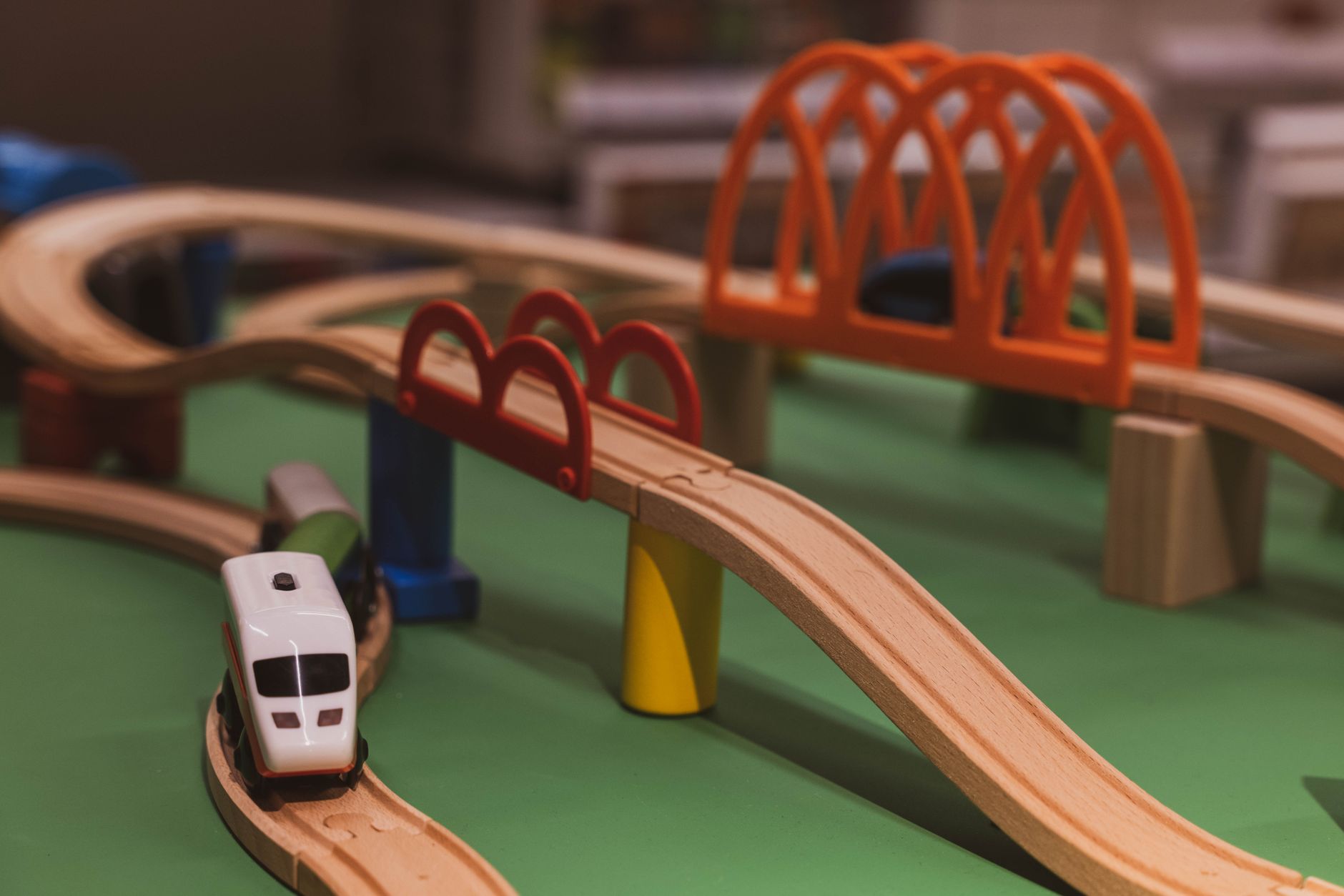
Choosing a toy means weighing more than its material. Parents also consider how a child will play with it, whether it fits daily routines, and how it will stand up to regular use. European-designed wooden toys have qualities that set them apart, but the right choice depends on the individual toy. Looking at play, construction, care, and age fit makes the decision more useful.
Material and Sensory Experience
Wood feels firm and shows a natural grain, giving it a different texture and weight from many plastic toys. That feedback makes simple actions, such as rolling a vehicle or stacking blocks, easy for a child to notice. Collections such as Egmont Toys USA gather varied options, including spinning tops, puzzles, pretend-play sets, and small figures, so you can compare different kinds of play in one place. Plastic works well for toys that need to be light, flexible, or easy to wash, so choose a material that suits the activity.
Inspect the finish and construction rather than assuming all wooden toys are alike. Check for smooth surfaces, secure parts, and clear age guidance. Toys that young children mouth or handle need particular care. Follow the care and safety information, and remove a toy from play if it becomes damaged.
Open-Ended Play That Lasts
European design does not guarantee the same wood, finish, or construction in every toy. Assess each item by its feel, the play it invites, and whether its parts suit a child’s age and abilities.
Some toys suggest a single activity; others leave room for children to invent games. A set of figures can become characters in a story, while a puzzle gives a child a clear task and endpoint. Consider what your child enjoys and whether a toy can join items already at home. That connection often matters more than appearance.
Construction Deserves a Close Look
A wooden toy’s durability depends on its construction, not simply its material. Inspect the joints, edges, wheels, and any painted or finished surfaces. Parts should feel secure, and the toy should have no rough areas or loose pieces. Moving parts should turn or slide as intended without catching.
Design also shapes how easily a child can use a toy. A stable base helps a stacking toy stay upright, while easy-to-grasp pieces make a puzzle less frustrating. Read the product description and age guidance, then picture how the child will handle it. A finely detailed item may suit careful pretend play better than active floor play.
Care and Everyday Use
Wooden toys often need a different cleaning routine from washable plastic ones. Check the maker’s instructions before using water or cleaning products, since finishes and construction vary. Wipe dirt away promptly and let the toy dry fully before storing it. Do not soak it unless the care guidance allows it.
Consider where the toy will live and how often the child will use it. A reachable storage spot makes it easier to put pieces away and find them again. Keep small parts separate from toys used by younger siblings. If a piece cracks, splinters, or comes loose, stop using the toy until it is repaired or replaced.
Choose for the Child and the Play
Before buying, ask a few practical questions:
- Does the toy suit the child’s age, interests, and current abilities?
- Can the child use it independently, or will they need adult help to play with it?
- Does it invite repeated play or serve one short activity?
- Can it be stored and cleaned in the available space?
A spinning top invites practice and repeated attempts, while a floor puzzle gives children a defined task. Pretend-play pieces work best when they fit a child’s existing stories and toys. Choose something that suits an interest or encourages a kind of play the child enjoys repeating. Wood alone does not guarantee lasting interest.
Price and appearance do not prove quality. Compare construction, care requirements, age guidance, and likely play patterns. If product details are missing, ask the retailer or maker before buying, especially for a gift or a child who still mouths toys. A clear description helps you decide whether an item fits everyday life.
Conclusion
European-designed wooden toys are worth considering for their tactile feel, varied play, and thoughtful construction, but material alone does not make a toy right for every child. Inspect the finish and parts, read the age and care guidance, and picture how the child will use it at home. Choose an item that suits an existing interest or invites the child to play.