
Sole Proprietor? Here’s How to Handle Your Taxes Like a Pro
Being your own boss is awesome. You get to call the shots, pick your schedule and grow something that’s yours. But let’s be real—come tax time—it’s a whole different story.
Unlike regular employees who get taxes taken out of every paycheck, you have to handle it all—from calculating income to figuring out deductions and paying Uncle Sam directly.
And yes, it can be a headache if you don’t stay on top of things. But don’t worry—this guide will walk you through exactly how to handle your taxes like someone who’s got it together (even if you feel like you don’t).
So How Are Sole Proprietors Actually Taxed?
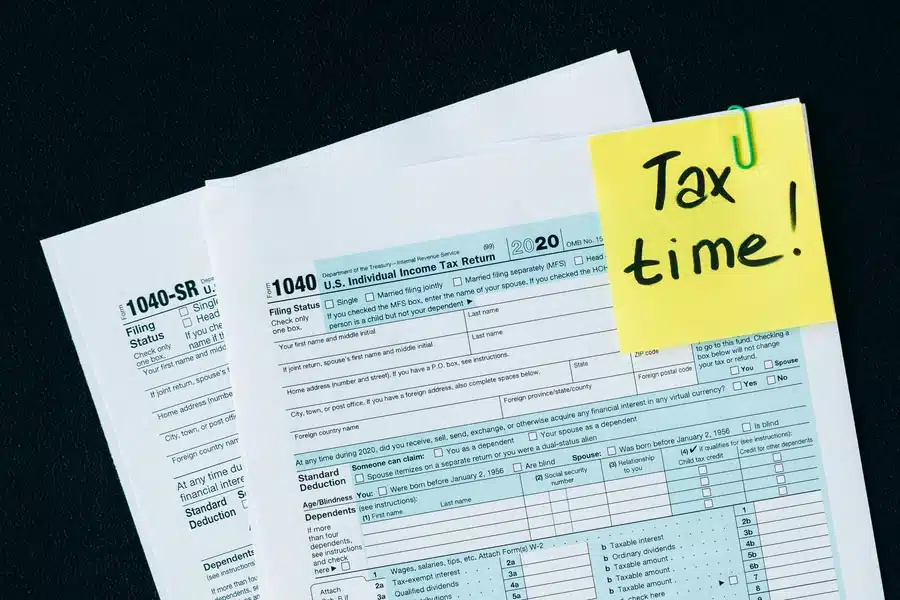
Here’s the deal: When you’re a sole proprietor, the IRS doesn’t see your business as separate from you. Your business income is treated like your personal income. That means no extra business tax return. Instead, you fill out a Schedule C along with your regular 1040 tax form.
You’ll still need to:
- Calculate the total income from the business
- Subtract all allowable expenses
- Report the net profit as personal income
This setup means the tax burden is squarely on your shoulders. You really need to understand what counts as income and what you can write off.
Know What the IRS Says Counts as “Income”
Here’s something people get wrong all the time. It’s not just the checks you deposit into your business account or the big client payments that land in your inbox.
Basically, if someone pays you for a product or service, it’s income.
Some common ways sole proprietors get paid:
- Accepting payments through apps like Venmo or Cash App
- Receiving PayPal transfers or direct bank wires
- Depositing checks from clients
- Taking cash for services provided
Now, you might have questions like, are Venmo transactions taxed, and the answer is yes—if that money came from your business, it absolutely counts as income and has to be reported.
Just because the money doesn’t come through a formal invoice doesn’t mean it’s tax-free. If it’s business-related, it needs to be included on your return.
You have to track it all. If you’re not logging those smaller, less formal payments, you might accidentally underreport your income. That could create problems you really don’t need later.
Track Every Expense (Even That $3 Coffee)
Deductions are the fun part. Every business-related expense you track could lower your tax bill—but only if you actually keep track of it.
Let’s say you grabbed a notebook at the store, paid for a Zoom subscription or drove to meet a client. All those things? Yep—they count.
Some typical business expenses you can deduct are:
- Office supplies and equipment
- Software and online tools used for work
- Domain renewals and hosting services
- Meals during client meetings
- Business-related mileage or travel
- Internet and phone bills (if partly used for business)
- A percentage of your rent if you work from home
Small stuff adds up. That $5 coffee you grabbed during a client meeting? Track it. End-of-year memory is unreliable. Don’t wait until December.
Don’t Forget About the Self-Employment Tax
This one surprises a lot of new business owners. Besides regular income tax, you also owe self-employment tax.
This covers your contributions to Social Security and Medicare—stuff your boss would handle if you had one.
Right now, the rate is 15.3%. Yes, it’s a lot.
But the bright side is that you can deduct half of it when calculating your adjusted gross income. Still this tax adds up really fast. So be sure to include it when you estimate how much you’ll owe.
Skipping it or underpaying can lead to penalties. And no one wants to deal with that.
Understand What You Can (and Can’t) Deduct
Everyone wants to write off as much as possible. Makes sense, right? But not everything counts.
Here’s what the IRS usually allows:
- Home office expenses if it’s a dedicated workspace
- Advertising and promotional costs
- Training classes or certifications related to work
- Professional or legal services
- Tools and equipment necessary to do the job
- Utility bills partly used for business
Here’s what you should avoid deducting:
- Regular clothing unless it’s a required uniform
- Meals not tied to client work
- Personal items you tried to label as business use
A good rule of thumb: the expense should be ordinary and necessary. If it doesn’t meet both tests, don’t claim it.
And if you do claim it, keep proof. You need receipts, invoices and notes on what each expense was for.
Use Tools (or a Pro) to Make Life Easier
Managing everything manually is not the move. It’s easy to make mistakes if you’re staying up late with spreadsheets and coffee.
Luckily there are tools that help you stay on top of things.
Good accounting tools for sole proprietors:
- QuickBooks – Great for full bookkeeping and taxes
- FreshBooks – Ideal for freelancers and invoices
- Xero – Easy to use with automated features
These apps can categorize expenses, send invoices and even estimate quarterly taxes. They also make sharing things with a CPA way easier.
And if your business is growing, please get a CPA. A professional can help you find deductions you’d miss. They also make sure you don’t mess up deadlines.
Save and Back Up Everything (Seriously)
You never know when you’ll need old receipts. The IRS typically has three years to review your return—but sometimes up to six.
Stuff you need to hang on to includes:
- Tax returns for each year
- Scanned or paper receipts
- Invoices, both sent and paid
- Mileage and travel logs
- Contracts and client agreements
And don’t just throw it all in a shoebox. Use cloud storage or secure folders. Some apps let you attach receipts to each transaction—that’s super helpful if you get audited later.
Being organized shows you mean business. Literally.
Do a Year-End Financial Review (Yes, Before It’s Too Late)
Don’t wait until April to find out what you owe. In December, carve out a few hours and get a grip on your finances.
Here’s what to go over:
- All your income and whether it’s tracked
- Any expenses you can prepay now to lower taxes
- Whether you made your estimated quarterly payments
- Your rates and if they need adjusting
- Any financial goals for the next year
This is also a chance to buy business tools before year-end to qualify for deductions. Treat this like a business check-up. You’ll feel more in control going into the new year.
Taxes might never be your favorite thing but that doesn’t mean you have to hate them.
When you stay organized, log everything, use the right tools and maybe hire a pro—you’ll feel way more confident come tax season. You’ll make mistakes. That’s okay. Everyone does. But you can learn and do better next year.
Getting your finances under control means more time to focus on what you really love—your business.