
How Do Physical Therapists Treat an MCL Tear?
Medial collateral ligament (MCL) tears are common knee injuries that occur during sports, exercise, or sudden changes in direction. Because the MCL provides stability along the inner knee, any injury to this ligament can significantly affect movement and daily activity.
Recovery requires a structured approach that restores strength, mobility, and stability over time. Treatment is typically guided by licensed clinicians who hold a physical therapy degree, so that rehabilitation aligns with best practices for healing tissue. Understanding the stages of treatment helps individuals know what to expect and how recovery progresses.
MCL tears range from mild overstretching to complete ligament disruptions. Each grade requires a different level of care, but most cases respond well to conservative treatment. With proper treatment, most individuals can resume their normal activities without long-term complications.
What Is an MCL Tear?
The MCL is a strong band of tissue running along the inner side of the knee, connecting the femur to the tibia. Its role is to stabilize the knee and prevent excessive inward movement. An MCL tear typically occurs when the knee is forced inward due to impact or a rapid directional change. Athletes in sports like soccer, football, or basketball often experience this type of injury due to the quick movements and contact involved.
MCL tears are categorized into three grades. Grade I represents mild overstretching with minimal swelling and discomfort. Grade II involves partial tearing, resulting in more noticeable instability and restricted mobility. Grade III indicates a complete tear, often accompanied by significant swelling and difficulty bearing weight. Understanding the grade of injury helps determine the appropriate treatment timeline and recovery expectations.
Symptoms may include tenderness along the inner knee, swelling, reduced range of motion, and difficulty with lateral movement. Early evaluation by a medical professional ensures an accurate diagnosis. Imaging may be used to clarify severity or rule out additional injuries. Once diagnosed, the focus shifts to protecting the ligament and supporting healing.
Early Stage Treatment Approaches
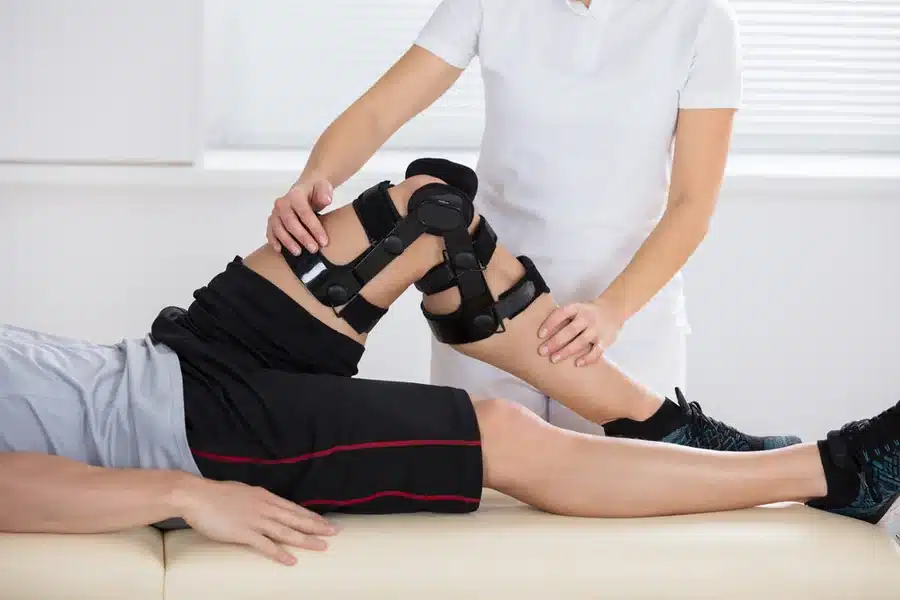
During the initial phase of recovery, the priority is to reduce swelling, protect the knee, and manage discomfort. Physical therapists often recommend rest and activity modification to prevent further stress on the ligament. Ice, compression, and elevation help limit inflammation and promote early healing. In some cases, bracing may be used to stabilize the joint and prevent excessive movement.
Physical therapists guide safe movement during this stage. Gentle range-of-motion exercises may be introduced to prevent stiffness and encourage circulation. These exercises are performed carefully to avoid stressing the healing ligament. Therapists monitor discomfort levels and adjust activities to support gradual progress.
Weight-bearing may be limited based on the severity of the tear. For more moderate injuries, crutches or assistive devices may be used temporarily to aid in recovery. The early stage focuses on creating a stable foundation for rehabilitation, allowing the ligament to heal in proper alignment and with minimal irritation.
Mid-Stage Rehabilitation Progressions
As swelling decreases and mobility improves, treatment progresses to exercises that strengthen the affected area. Physical therapists design programs that gradually challenge the muscles surrounding the knee, including the quadriceps, hamstrings, and glutes. Strength in these areas provides structural support and reduces stress on the healing ligament. Exercises may include controlled leg lifts, step-ups, and targeted resistance work.
Balance and proprioception training are important during this phase. Because the MCL contributes to stability, retraining the body’s awareness of knee position is essential. Therapists may use balance boards, single-leg exercises, or dynamic stability drills to help the knee respond effectively during movement. These activities prepare the body for higher levels of activity without compromising the ligament.
Movement patterns are also addressed. Therapists observe walking mechanics, alignment, and technique during functional activities. Correcting inefficient or compensatory movements helps prevent future knee issues. The mid-stage prepares individuals for more demanding activities while maintaining controlled progression.
Late Stage and Return-to-Activity Goals
In the final stages of rehabilitation, treatment focuses on restoring full strength, agility, and confidence. Physical therapists introduce sport-specific or activity-specific drills that mirror real-life movement. These may include lateral shuffles, gradual jogging, or controlled directional changes. The goal is to prepare the knee for the demands of daily life or athletic performance without increasing the risk of injury.
Endurance training is important during this phase. Cardio exercises such as cycling, swimming, or elliptical training help build stamina while minimizing stress on the knee. As strength and mobility improve, therapists increase intensity to ensure the knee can handle sustained activity.
Rebuilding Strength With Expert Guidance
Treating an MCL tear requires patience, structure, and professional guidance. Physical therapists employ targeted strategies to reduce swelling, restore knee function, and enhance resilience. By progressing through phases of mobility, strength, stability, and activity readiness, individuals regain confidence and regain their movement capabilities. With the right approach and consistent effort, recovery can lead to stronger mechanics and improved long-term joint health.