
The Hidden Dangers of Skipping Proper Eye Protection
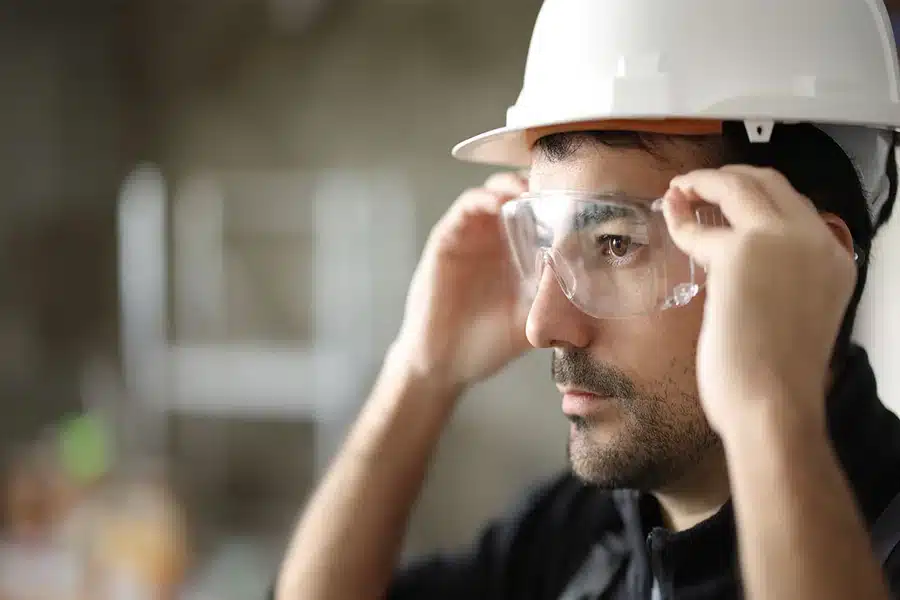
Everyone knows that eyes are important, but it’s easy to forget how fragile they are. Vision makes school, work, sports, and even small daily tasks possible. Yet many people only think about protecting their eyes after something has already gone wrong. The truth is, eye injuries happen far more often than most people realize, and a lot of them could be prevented with the right protection. Skipping safety gear might not seem like a big deal in the moment, but the risks are real.
Why People Take Chances with Their Eyes
It’s common for people to think, “That won’t happen to me.” Maybe they’re just doing a quick job in the garage or working on something that seems harmless. Others avoid protective gear because they think it’s uncomfortable or not worth the hassle. Some people even believe that their regular glasses are enough to keep their eyes safe.
The problem is that accidents happen fast, and when they do, there usually isn’t time to react. That’s why proper protection needs to be there before anything goes wrong.
The Difference Between Regular Glasses and Safety Gear
Everyday glasses are made to help you see, not to shield your eyes from danger. Their lenses aren’t built to handle impact, dust, or chemical splashes. If a sharp object or piece of debris hits them, they can actually break and make things worse. Safety glasses and goggles, on the other hand, are tested to meet standards for strength and coverage. They’re built to handle jobs where flying objects, sparks, or liquids could cause harm.
For people who already wear corrective lenses, the smartest option is to use prescription safety goggles that combine clear vision with solid protection. That way, there’s no trade-off between seeing clearly and staying safe.
Common Situations Where Eyes Are at Risk
Eye injuries aren’t just something that happens on construction sites. They can occur in many everyday situations. In school, students in science labs or shop classes work with chemicals, sharp tools, or machinery that can cause accidents. At home, simple chores like mowing the lawn or using cleaning sprays can put eyes in danger. Sports are another big cause of eye injuries, especially when players skip protective eyewear. Even in offices, tiny hazards like broken glass, dust, or computer-related eye strain can create problems.
The risks are everywhere, but most people don’t notice until it’s too late. That’s what makes prevention so important.
What Happens Without Protection
The results of skipping safety gear can be serious. Small particles like dust or wood shavings can scratch the surface of the eye and cause lasting discomfort. Sharp objects or flying debris can do permanent damage, even leading to vision loss. Chemical splashes can burn and scar delicate eye tissue within seconds. Even something as simple as sunlight can cause long-term problems without proper shielding.
What makes these injuries even more frustrating is that many of them could have been avoided. A few seconds of preparation—putting on the right goggles—can make the difference between a close call and a life-changing injury.
Excuses People Use and Why They Don’t Hold Up
Some people think safety goggles look uncool or feel uncomfortable. Others claim they only need them for “serious” jobs. But the truth is, comfort has come a long way. Modern goggles are designed to fit better, feel lighter, and even look more stylish than the bulky versions from the past. As for the idea that small jobs don’t require protection, that’s exactly when people let their guard down. It’s usually the quick tasks that catch people off guard, because they’re not expecting danger.
Skipping protection to save a few seconds doesn’t make sense when compared to the time, pain, and cost of recovering from an eye injury.
Building Better Habits Around Safety
The best way to avoid accidents is to make protection automatic. Just like putting on a seatbelt in the car, wearing eye protection should be something people do without even thinking about it. Keeping goggles in easy-to-reach spots helps, as does setting an example for others. When kids see adults taking safety seriously, they’re more likely to do the same. Schools and workplaces can also make a difference by reminding people about risks and providing good-quality gear.
One helpful tip is to think of goggles as part of the job itself, not an extra step. If the task calls for a hammer, a saw, or strong cleaning chemicals, it also calls for eye protection. That kind of mindset keeps people ready, no matter what they’re doing.
Eye Safety Beyond Work and School
Protecting vision doesn’t stop when the job is over. Outdoor activities like cycling, fishing, and hiking also carry risks. Bright sunlight, blowing dust, or flying insects can all make eyes vulnerable. Even at home, accidents can happen when cooking with hot oil, hammering nails, or using strong cleaning products. Thinking of goggles only as “work gear” overlooks all the other times they could come in handy. Vision is needed everywhere, so protection should follow the same rule.
Parents can also use this time to remind kids about eye safety in their hobbies. Whether it’s playing sports, helping in the kitchen, or trying out crafts, learning to protect the eyes early makes the habit stick for life.
The Real Value of Safety Gear
Eye protection isn’t just about avoiding injury—it’s about keeping independence and quality of life. Losing or damaging vision can affect everything, from being able to drive to enjoying hobbies. Even small injuries can cause ongoing irritation, medical bills, and time away from school or work. A simple pair of goggles can prevent those problems and give peace of mind. It’s not an extra step; it’s a smart one.
Once someone understands the risks and the benefits, it becomes clear that eye protection is never a waste of time. It’s a small effort that protects something priceless.
Key Takeaways
Eyes are too important to leave unprotected. Skipping proper safety gear might seem harmless in the moment, but the risks are far too high. Regular glasses can’t replace safety-rated protection, and accidents don’t wait for anyone to get ready. By making eye safety a habit, people can avoid pain, frustration, and lasting damage. The choice is simple: a few seconds of prevention or a lifetime of regret.