
Munchkin Cats: Breed Guide, Care Tips, and How to Find a Reputable Breeder
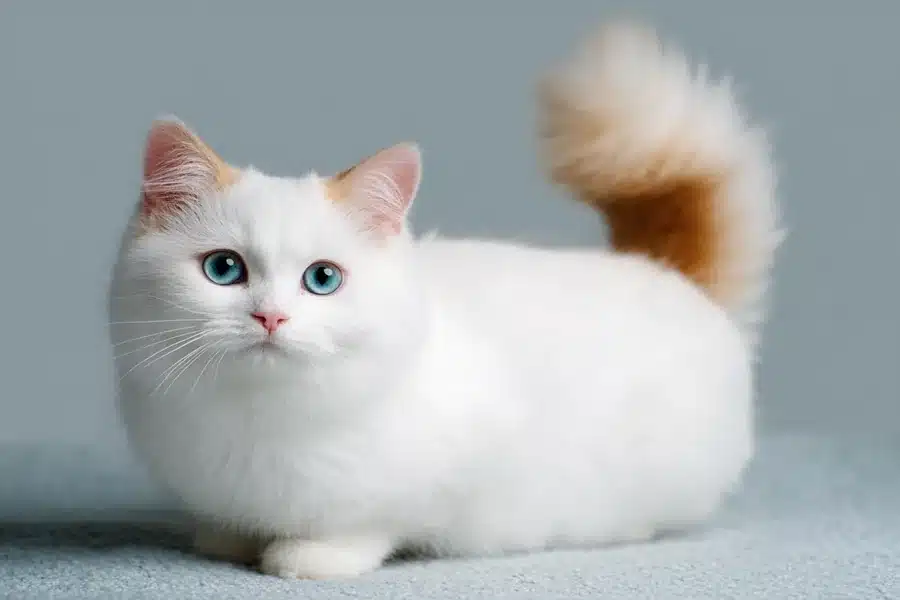
The first time most people see a Munchkin cat in person, their reaction is the same: a moment of genuine surprise, followed by the realization that the cat is completely unaware of being unusual. Munchkins carry themselves with the confidence of any other cat. They run, jump, play, and demand attention with the same authority as breeds three times their leg length. The short legs are simply part of the package — not a limitation in their mind, and not something that diminishes their personality in any measurable way.
If you have been researching Munchkins and are considering bringing one home, this guide covers what you actually need to know — not just the flattering parts, but the honest picture of what ownership involves, what health considerations matter, and how to find a breeder who meets the standard the breed deserves.
What Makes the Munchkin Breed Distinctive
The Munchkin’s defining characteristic — shortened legs resulting from a naturally occurring genetic mutation — was first documented in the United States in the early 1990s, though cats with similar proportions had been observed in other countries for decades before formal recognition. The breed was accepted by The International Cat Association (TICA) in 1994, making it one of the newer recognized breeds in the cat world.
The mutation affects the long bones of the legs. The result is a cat with a standard body, head, and tail, but legs that are noticeably shorter than average. This gives Munchkins a low, elongated silhouette that some people find irresistible and others find surprising.
What the breed is, beyond the physical characteristic:
- Personality: Munchkins are typically social, curious, and playful. They enjoy human company and tend to get along well with other cats and dogs when introduced properly.
- Intelligence: They are problem solvers. Munchkins figure out how to access places and objects, and they enjoy toys and games that engage their minds.
- Energy level: Moderate to high. Munchkins play actively and need stimulation, though they also enjoy relaxed companionship.
- Vocality: Generally moderate — they communicate but are not usually demanding in the way that Siamese or Oriental breeds can be.
- Adaptability: They tend to adjust well to new environments and changes in routine.
Health Considerations: What Owners Should Know
This is the section that requires the most honest attention, because Munchkins are a breed with specific health considerations that prospective owners should understand before buying.
The primary concern is lordosis — an excessive curvature of the spine that can occur in some Munchkins. It is not universal, and responsible breeders screen for it, but it is worth understanding as a possibility. Severe lordosis can affect internal organs and quality of life.
There is also ongoing discussion in the veterinary community about the long-term orthopedic implications of the shortened leg structure, though many Munchkins live full, active lives without mobility issues.
| Health Consideration | Prevalence | What Responsible Breeders Do |
| Lordosis (spinal curvature) | Possible | Screen parent cats, avoid breeding affected individuals |
| Pectus excavatum (chest deformity) | Rare | Monitor in kittens, disclose to buyers |
| Osteoarthritis (later in life) | Some risk | Encourage appropriate weight, regular vet monitoring |
| Hyperthyroidism | Similar to general cat population | Routine vet screening |
The takeaway is not that Munchkins are unhealthy — many live twelve to fifteen years or longer with no significant health issues. The takeaway is that health screening by the breeder matters more for this breed than for some others, and that documentation of that screening should be a non-negotiable requirement when you buy.
Life With a Munchkin: Daily Reality
People sometimes ask whether Munchkins are disadvantaged by their leg length in daily life. The honest answer is: not in any way that matters to the cat.
Munchkins navigate furniture, play with toys, and engage with their environment with complete confidence. They may approach jumping differently — taking a running start where a longer-legged cat might spring directly — but they get where they want to go. Watching a Munchkin sprint across a room is one of the more delightful things in domestic animal ownership.
What daily life actually involves:
Play and stimulation: Munchkins need active play. Interactive toys, wand toys, puzzle feeders, and dedicated play sessions keep them mentally and physically engaged. A bored Munchkin will find its own entertainment, which is not always what you would choose.
Grooming: This depends on coat type. Munchkins come in both short-haired and long-haired varieties. Short-haired Munchkins require minimal grooming — a weekly brush is sufficient. Long-haired varieties need more regular attention to prevent matting.
Monitoring weight: Because their legs are shorter, Munchkins carry weight differently than other breeds. Keeping them at a healthy weight is important for reducing stress on their joints. Free feeding is generally not recommended.
Veterinary care: Find a vet who is familiar with the breed or willing to learn. Annual wellness exams, dental care, and monitoring for the breed-specific concerns discussed above are the core requirements.
“My Munchkin has never once seemed to notice that her legs are shorter than any other cat’s. She climbs, she chases, she demands to be on my lap. She is completely at home in herself, which I find genuinely inspiring.” — Munchkin owner, breed community forum
What to Look For in a Munchkin Breeder
Finding a reputable breeder for any purebred cat requires patience and a willingness to ask difficult questions. For Munchkins specifically, given the breed’s health considerations, this due diligence is especially important.
Signs of a responsible Munchkin breeder:
- Breeds TICA or CFA registered cats with documented lineage
- Conducts health screening on parent cats and discloses results transparently
- Raises kittens in a home environment with consistent human socialization
- Allows — and encourages — visits before purchase
- Provides a health guarantee and is willing to take kittens back if the placement does not work
- Can provide references from previous buyers
- Does not place kittens before twelve weeks of age
- Asks you questions about your household and lifestyle before agreeing to a sale
Signs that should give you pause:
- Multiple breeds available simultaneously with constant availability
- No health documentation offered or available
- Reluctance to show you where the cats are kept
- Pressure to decide quickly or pay a deposit before meeting the kitten
- Prices significantly below market rate without explanation
The price range for a Munchkin kitten from a reputable breeder typically falls between $800 and $2,500 depending on coat type, color, and lineage. Prices outside this range — in either direction — warrant additional scrutiny.
Finding a Reputable Source Online
For buyers who are not finding suitable local breeders, or who want access to a broader and more carefully vetted selection, platforms that specialize in connecting buyers with responsible breeders offer a meaningful alternative.
If you are looking to buy munchkin cat from a source that has done meaningful vetting work, Happy Paws US is worth exploring. Rather than functioning as an open marketplace where any seller can list without accountability, the platform works with breeders who meet documented standards for health screening, socialization, and transparency. For a breed like the Munchkin — where breeder quality has a direct impact on long-term health outcomes — that vetting work matters.
The platform provides health documentation, clear information about each kitten’s background, and support through the purchase and initial adjustment process. For first-time Munchkin buyers especially, having that structure in place significantly reduces the research burden and the risk of a poor outcome.
Preparing Your Home for a Munchkin
Before your kitten arrives, a few practical preparations make the transition smoother:
Litter box placement: Standard litter boxes work fine for Munchkins, though low-entry boxes are easier for young kittens to access. Place boxes in quiet, accessible locations away from food and water.
Cat trees and climbing options: Munchkins benefit from cat trees, though they may prefer models with ramps or graduated steps rather than single large jumps. They do climb — they just take a slightly different approach.
Hiding and resting spaces: Every cat needs retreat spaces. Beds, enclosed cat houses, and quiet corners allow Munchkins to rest undisturbed when they choose.
Kitten-proofing: Munchkins are curious and will investigate everything at floor level with particular thoroughness. Secure loose wires, remove small objects that could be swallowed, and check that household chemicals are stored out of reach.
Is a Munchkin the Right Cat for You?
This is the most honest question to answer before purchasing any breed.
Munchkins are well-suited for:
- Households that want an active, engaged companion rather than a low-maintenance background cat
- Families with children old enough to handle cats respectfully
- Multi-pet households, particularly those with other cats or cat-friendly dogs
- People who are home regularly and can provide interaction and play
- Owners who find the breed’s distinctive appearance genuinely appealing rather than just novel
Munchkins are less suited for:
- Owners who want a very independent, low-interaction cat
- Households where no one is home for extended periods daily without enrichment alternatives
- Anyone unwilling to research breed-specific health considerations and maintain regular veterinary care
The Munchkin is a breed that rewards owners who approach it with informed enthusiasm. The distinctive appearance is the first thing people notice, but what keeps Munchkin owners devoted is the personality — curious, social, playful, and completely at ease with who they are.
Getting there requires finding the right source. Health screening, socialization quality, and breeder transparency are not optional extras — they are the foundation of a good experience. Take the time to find a breeder or platform that meets that standard, ask the questions that need asking, and the relationship you build with a well-bred Munchkin will be one of the more rewarding things in your life as a cat owner.