
The Ultimate Guide To Climbing Mount Kilimanjaro Without Stress
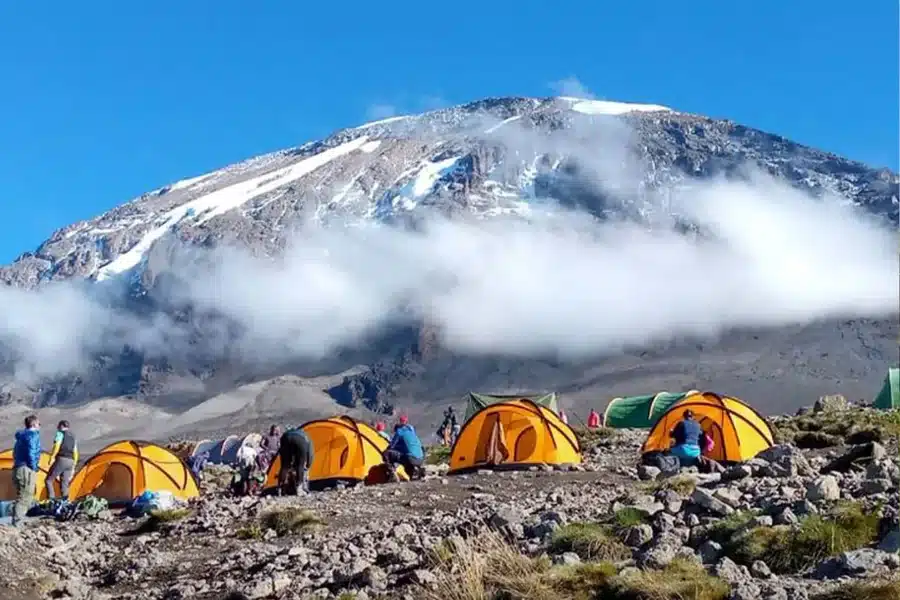
Climbing Mount Kilimanjaro, the highest peak in Africa, is a dream for many adventurers. However, the prospect of tackling this majestic mountain can also elicit feelings of stress and anxiety. With ample preparation and the right approach, you can turn that dream into a remarkable experience rather than a stressful ordeal. In this guide, we’ll explore essential tips and strategies to help you prepare for your Kilimanjaro expedition without feeling overwhelmed, including insights into choosing suitable Mount Kilimanjaro trekking packages that fit your needs.
Why Prepare? Understanding the Challenge
The challenge of climbing Kilimanjaro lies not only in its altitude—standing at 5,895 metres (19,341 feet)—but also in the diverse climatic conditions you’re likely to encounter along the way. Different routes offer various experiences, from the scenic Machame route to the challenging Lemosho route. Preparation is essential because it enables you to acclimatise to the altitude, understand the terrain, and ensure that you’re physically fit for the journey.
Starting your preparation early allows you to build endurance through regular training, think about your gear, and understand the itinerary. You’ll be spending several days in remote areas, and being mentally and physically ready will help mitigate the risks associated with high-altitude climbing.
Choosing the Right Trekking Package
When it comes to selecting Mount Kilimanjaro trekking packages, it’s crucial to consider several factors. Opt for packages that include experienced guides, support staff, and proper accommodation setups. While some adventurers might be tempted to go for the cheapest option, a well-organised tour can significantly enhance your experience.
Key Aspects to Consider:
- Guide Experience: Ensure that your guide has significant climbing experience and a good reputation. A knowledgeable guide can make a world of difference in both safety and enjoyment.
- Group Size: Smaller groups tend to have a more personalised experience, allowing for a flexible itinerary based on group fitness levels and preferences.
- Inclusions: Look for packages that include meals, equipment rental options, and even training sessions before the trek, which can ease the transition to high-altitude climbing.
- Porter Support: It is vital that your package includes enough support staff, such as porters, who can carry your excess gear, making your trek more manageable.
By considering these factors, you can select a package that aligns well with your personal climbing goals and experience level, ensuring a smoother journey up the mountain.
Physical Preparation: Train Well
Your fitness level will play a significant role in your ability to handle the climb. Start training at least three to six months before your trip. Incorporate a mix of cardio, strength training, and hiking into your routine. Aim to mimic the walking distances and altitudes you’ll encounter on Kilimanjaro; local hills or indoor climbing walls can be great substitutes.
Training Recommendations:
- Cardiovascular Workouts: Running, cycling, and swimming can help build your cardiovascular endurance. Aim for long sessions that increase your heart rate and stamina.
- Hiking: Try to hike on varied terrains with an inclination. Carry a backpack to simulate weight as you’d be carrying your gear on the mountain.
- Strength Training: Focus on your legs, core, and back. Exercises like squats, lunges, and deadlifts build the necessary muscles for climbing.
- Altitude Acclimatisation: If possible, take a trip to high-altitude regions to help your body get used to lower oxygen levels before the climb.
Mental Preparation: Stay Calm and Focused
Preparing mentally is just as important as physical preparation. Successful summits often depend on strong mental fortitude and the ability to cope with discomfort. Climbing is just as much a psychological challenge as it is a physical one.
Tips for Mental Resilience:
- Visualisation Techniques: Regularly envision yourself at various points on the climb, especially during challenging sections. Picture the success and joy of the summit.
- Mindfulness Practices: Techniques such as deep breathing, meditation, or yoga can enhance your ability to stay calm under pressure and manage discomfort during the trek.
- Group Dynamics: Surround yourself with positive influences. A good group of fellow hikers can uplift each other during tough moments and create a bond that makes the experience even more fulfilling.
Climbing Strategies: Know Your Route
Understanding your route is essential. Each has different challenges and rewards, and being informed can help you set realistic expectations for each day of your climb. For example:
- Machame Route: Known as the “Whiskey Route,” this path is scenic but challenging. It allows for acclimatisation with a longer trek. Consider it if you have experience but want to enjoy lush landscapes.
- Lemosho Route: This is one of the quieter routes and offers beautiful views. It’s an excellent choice for those seeking more solitude and wondering through the diverse ecosystem.
Conclusion: Enjoy the Journey
Climbing Mount Kilimanjaro is about more than just reaching the summit—it’s about the journey, the people you meet, and the landscapes you traverse. Proper preparation, both physically and mentally, can facilitate a rewarding experience, ensuring that your adventure remains exhilarating rather than stressful.
So take the time to prepare, choose the right trekking package, and embrace the adventure awaiting you atop Africa’s majestic peak. By carefully considering your plans and commitments, the summit is not just an endpoint: it becomes the highlight of an unforgettable journey.