
How To Train For A Physically Demanding Hunt
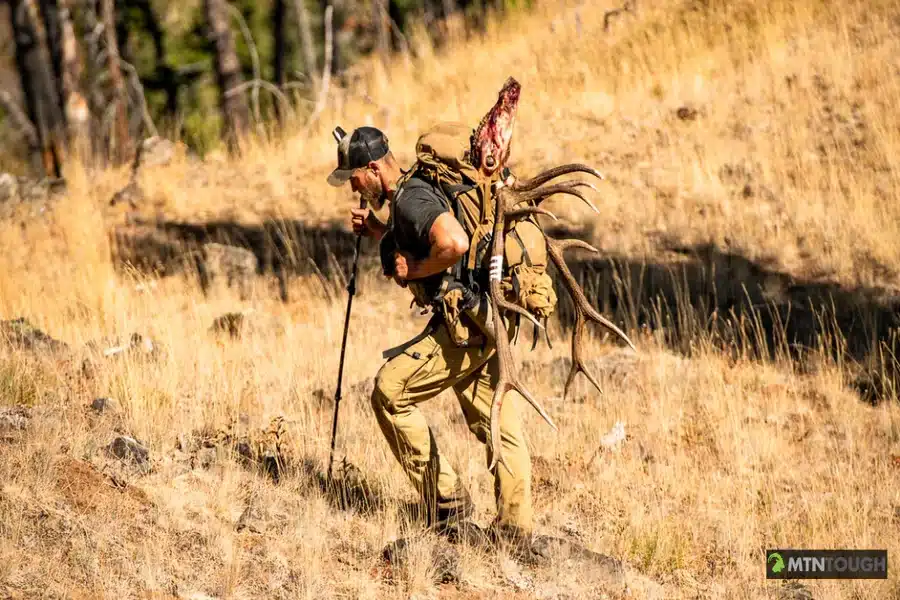
Most hunters who’ve only chased whitetails from a stand don’t realize how different things get when the hunt involves climbing mountains or covering miles of rough country. The gap between sitting in a tree for a few hours and hiking through steep terrain at altitude with a pack catches a lot of people off guard. Getting ready for that kind of hunt takes more than just showing up in decent shape.
Starting Earlier Than Feels Necessary
Here’s the thing about preparing for a tough hunt: three months out is already pushing it if someone’s starting from the couch. Six months gives enough time to build real fitness without rushing into injuries or burnout. The body needs time to adapt to the kind of work it’ll be doing in the field, and cramming that adaptation into a few weeks usually works out poorly.
The early phase should focus on building a base. Walking on flat ground, some light hiking, maybe using stairs or a treadmill on an incline. Nothing fancy, but consistent. Four or five days a week of 30 to 45 minutes gets the joints and tendons ready for harder work later. This is where most people want to skip ahead, but skipping this foundation is how ankles get rolled and knees start complaining halfway through the actual hunt.
Building Strength That Actually Transfers
Gym work helps, but not the way most people approach it. Leg presses and bicep curls don’t do much for someone who needs to carry 50 pounds of gear uphill for two hours. The movements that matter involve the whole body working together under load.
Squats and deadlifts build the posterior chain that does most of the work on steep ground. Lunges help with the uneven steps that make up most mountain terrain. Farmer’s carries with dumbbells or kettlebells simulate the kind of sustained load that comes from packing gear or hauling meat. These don’t need to be done with massive weight. Moderate resistance for higher reps builds the kind of endurance strength that transfers to all-day efforts in the field.
Core work matters more than people think. A strong core stabilizes everything when walking on uneven ground or when fatigue starts setting in. The goal isn’t six-pack abs; it’s being able to maintain good posture and balance when tired.
Getting Comfortable With Weight on the Back
Rucking gets talked about in hunting circles because it works. Walking with weight in a pack prepares the body for exactly what it’ll face during the hunt. Start light, maybe 20 pounds, and gradually add weight over weeks. The pack should sit where the hunting pack will sit, and the walks should gradually get longer and steeper.
By the time the hunt arrives, being comfortable with 40 to 50 pounds for several miles makes the actual hunting pack feel manageable. Finding hills or stairs to walk makes a huge difference. Flat ground conditioning only goes so far when the terrain goes vertical. Even if the local area is flat, parking garages, stadium steps, or a treadmill cranked up to 15% incline can substitute.
Preparing for Shooting After Physical Effort
This is where a lot of training programs fall short. Getting fit enough to reach the animals is only part of the equation. Being able to make a good shot after hiking hard for an hour matters just as much, maybe more.
Once a week, the training should include shooting practice after physical exertion. Hike or ruck for 30 minutes at a hard pace, then set up and shoot from field positions. The heart rate will be elevated, the breathing will be heavy, and the muscles will be fatigued. That’s when it becomes clear whether the fundamentals are solid or if they fall apart under stress.
This kind of practice also reveals what equipment actually works. A rifle that feels fine at the bench might be too heavy after miles of carrying. For hunters looking at new equipment for longer-range situations, something like a 6.5 creedmoor offers a good balance of manageable recoil and effective range, which can make those tired shots more forgiving.
Dealing With Altitude If That’s Part of the Plan
Elevation changes everything. Hunters who live near sea level and plan to hunt above 7,000 feet need to account for that difference. There’s no perfect way to train for altitude at sea level, but cardiovascular conditioning helps the body adapt faster once it gets there.
Interval training pushes the heart and lungs harder than steady-state cardio. Hill sprints, stair climbing at a hard pace, or even high-intensity work on a bike builds the kind of cardiovascular capacity that helps at elevation. The body won’t be fully adapted until spending time at altitude, but showing up in good aerobic shape shortens that adjustment period.
Getting to the hunting area a few days early helps with acclimatization. Even two or three days makes a noticeable difference in how the body handles exertion at elevation.
Testing Everything Before It Matters
The last month before the hunt should involve full dress rehearsals. Wearing the actual hunting boots on long hikes breaks them in and reveals any hot spots or fit issues. Carrying the actual hunting pack loaded with real gear shows what works and what doesn’t. Layering systems get tested in various temperatures to see if the clothing choices make sense.
This is also when any lingering injuries or weak points become obvious. A knee that feels fine on short walks might start complaining after five miles with weight. Better to find these problems with time to address them than to discover them on day two of a hunt.
The Mental Side That Nobody Talks About
Physical preparation gets most of the attention, but mental readiness matters too. Long, hard hunts involve discomfort, fatigue, and doubt. Training should include some sessions that push past what feels comfortable. Not to the point of injury, but enough to practice working through tiredness and maintaining focus when the body wants to quit.
Knowing what the bottom of the tank feels like during training makes it easier to keep going during the hunt. The brain learns that being uncomfortable isn’t an emergency, just a temporary state. That mental toughness often makes the difference between pushing on to find animals and turning back early.
Most hunters put in the work because they know what’s at stake. The animal deserves a hunter who can make a good shot. The time and money invested in the trip deserve someone who can physically handle what the terrain demands. The hunt becomes about the hunting, not about surviving the physical challenge.