
How to Fix Cracks and Damage in Residential Concrete
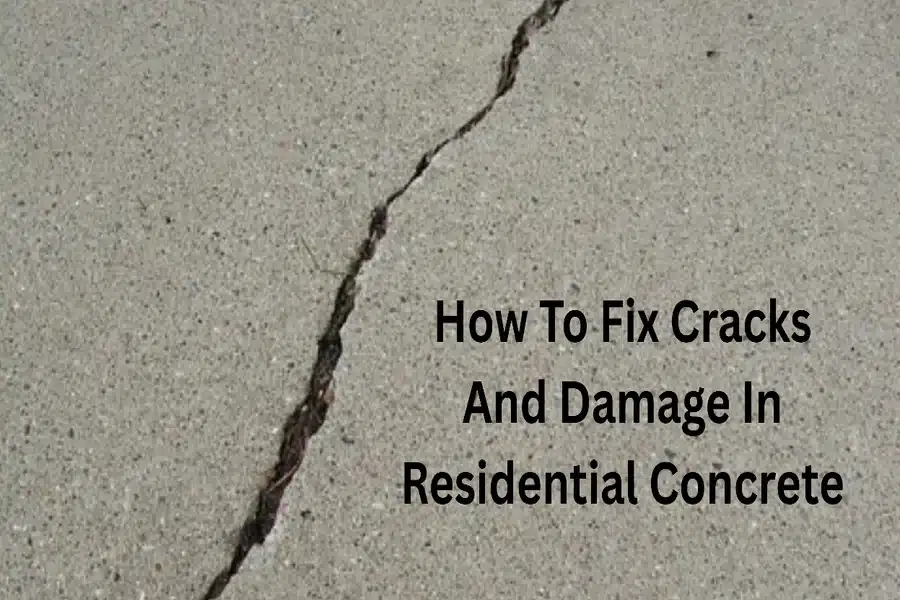
Concrete is one of the most durable construction materials.
According to estimates, interior concrete flooring has an average lifespan of 50 – 100 years. The actual durability varies by concrete type, application technique, and local climate.
In comparison, outdoor concrete structures have a lower lifespan of 30 – 50 years due to their direct exposure to the elements.
Still, half a century is an incredibly long period to go without repairing your concrete patio or driveway.
However, even the most durable concrete surface will develop cracks over time. Knowing how to fix these problems can help manage your expectations when you contract a repair technician.
In this guide, we explore how to seal cracks in residential concrete structures.
· Assessing the Damage
The first step before fixing cracks on your concrete structures is to establish the extent of damage. Note that the nature of cracks on your residential concrete surfaces ultimately determines the best repair method.
Now, concrete cracks can assume numerous shapes. The most common ones include;
Hairline Cracks
Hairline cracks are typically narrow, measuring up to ¼ inch wide. They’re often the least problematic and thus remarkably easy to repair.
To fix hairline cracks, a concrete technician will use a flexible concrete caulk. Self-leveling sealant may also be applicable, especially for minor damage.
Wider Cracks
Wider concrete cracks are over ¼ inch wide. They’re more extensive, often requiring extensive patching.
A common way to seal wider concrete cracks is by using a vinyl-reinforced patch.
Crazing
Crazing cracks resemble spider webs. They develop when a concrete surface dries before proper curing.
Repair techniques will depend on the extent of the damage.
Structural Damage
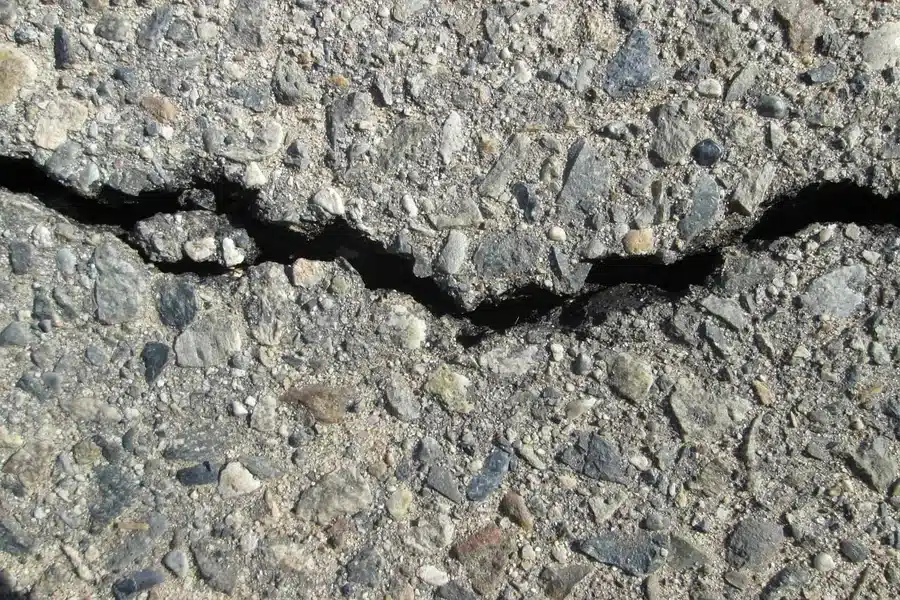
While normal cracks typically occur on the upper concrete flooring, structural damage is usually symptomatic of an underlying problem.
You’ll notice more gaping holes on the concrete surface. The entire structure may also tilt to one side or develop massive depressions, creating a dangerously uneven surface.
Slab jacking or polyurethane injection are some effective ways to seal structural damage.
Contacting a Professional
While anyone can casually spot concrete damage, you require a professional for a more extensive diagnosis.
Contact a concrete repair technician if cracks widen beyond one inch. Especially schedule emergency inspections if the damage spreads over a larger area, resulting in unevenness or depressions.
The technician will conduct a professional assessment and establish the cause.
Common causes include;
- Weather damage
- Issues with the underlying soil
- Excessive load
- Low-quality materials
- Substandard workmanship
- Inadequate curing
Widening the Cracks
After fully assessing the extent of damage and establishing the root cause, it’s time to get down to business.
A concrete technician will use a chisel and hammer to widen the cracks. This strictly applies to cracks larger than ¼ inch.
The idea is to create a V shape, providing a solid base for the patching material to settle and lock in place.
Dislodging Weaker Concrete Material
Naturally, you’d expect the material surrounding the cracked sections of a concrete structure to be weaker than the rest of the structure.
A technician will use a chisel and hammer to remove all loose material. This helps to create room for new patching.
Cleaning the Area
A concrete technician will use a leaf blower or shop vacuum to remove all debris from the cracked sections. These include old concrete, plant matter, soil, and dust.
The area must be sparkling clean to allow for proper bonding with the new patching material.
When done with debris, the professional will proceed to clean out all stains around the cracks.
Oil, grease, paint, and even mold stains must be eliminated before sealing the cracks. It helps remove all blemishes, allowing the new patching material to blend seamlessly with the rest of the surface.
With all the debris and stains removed, the technician will rinse the area with clean water and let it dry completely.
Application of New Concrete Material and Finishing
As mentioned, the type of concrete damage determines the repair methodology.
Your technician may use a caulk gun to carefully administer self-leveling sealant or flexible caulk to hairline cracks. Either material might also work for crazing cracks, especially if the damage is surface-level and localized.
For wider cracks, the professional may insert flexible backer rods before applying vinyl-reinforced patching. Backer rods help reinforce the base and save on the patching material.
Structural damage is perhaps the most challenging to repair.
While slab jacking works for most structural concrete issues, you may need to undertake preliminary repairs before the technician can fix the damage. That’s especially if drainage issues are to blame.
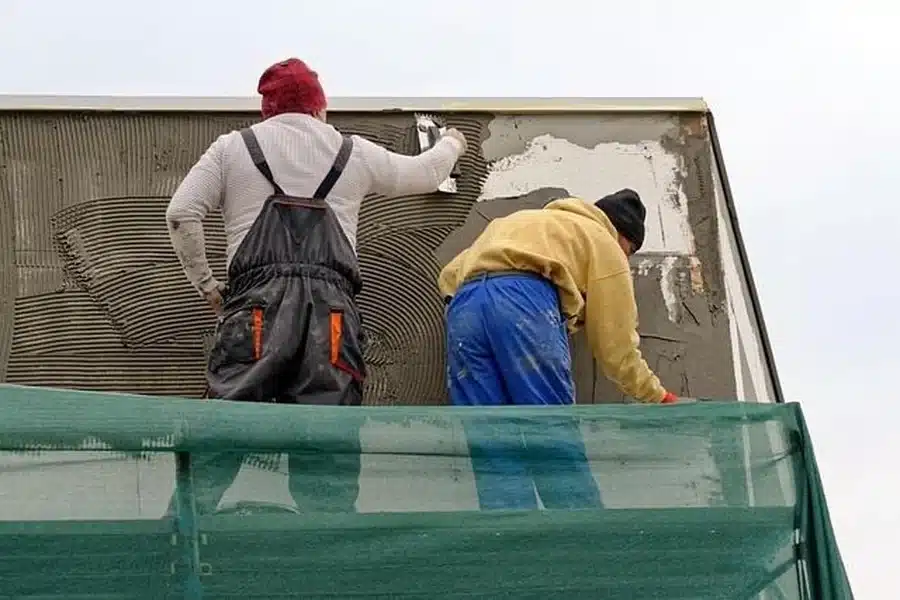
After sealing the cracks, a concrete technician will smooth the surrounding area using a margin trowel or wet putty knife.
Finally, they mist the repaired sections with water to activate curing.
Wrap Up
Concrete repair is a resource-intensive home renovation. Costs can quickly run into thousands of dollars, depending on the extent of damage and the application technology used.
Undertaking regular maintenance is the most proactive way to manage structural damage on your concrete flooring, walls, or pavements.
Timely repairs let you prevent tiny issues from escalating into costly repairs, while upholding your property’s curb appeal.
Cleaning concrete regularly is another effective way to decelerate its wear.
Sweep the surface with a broom or pressure washer, then mop it clean to remove any grime or debris.
And while concrete is undeniably strong, there’s a limit to the amount of load it can carry. Don’t overload the surface with heavy objects.