
5 Signs of Nursing Home Abuse You Should Look Out For
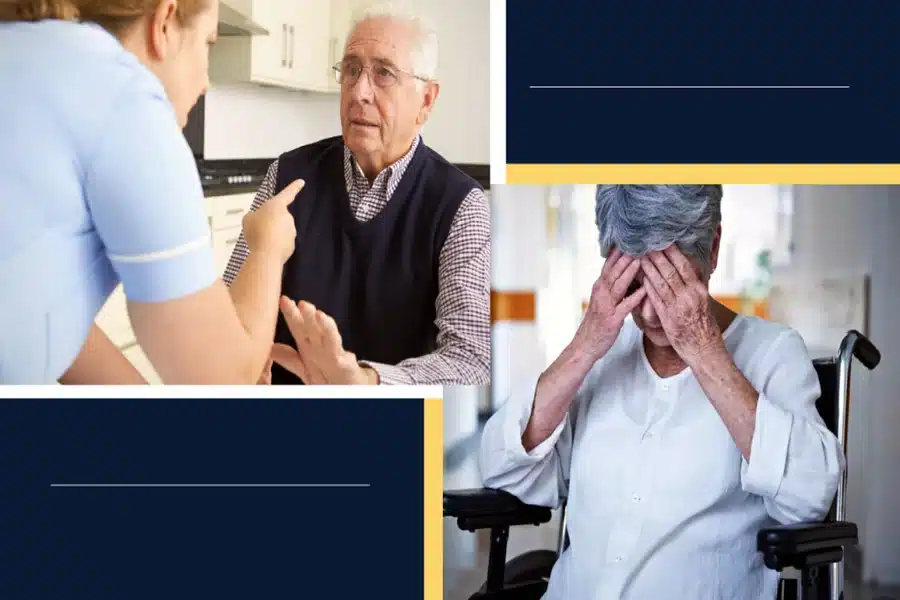
New York is home to one of the largest aging populations in the United States, and thousands of families across the state rely on nursing homes and long-term care facilities to support their loved ones. While many facilities provide compassionate and professional care, cases of neglect and abuse still occur, sometimes going unnoticed for far too long.
Families in New York must stay informed and vigilant to ensure seniors are treated with the dignity and respect they deserve. When concerns arise, speaking with a nursing home abuse lawyer in NY can help families understand their options and protect vulnerable residents.
Nursing home abuse can take many forms, including physical harm, emotional mistreatment, neglect, or financial exploitation. Recognizing the warning signs early can make a critical difference in preventing further harm. Below are five common signs of nursing home abuse you should never ignore.
1. Unexplained Injuries
One of the most visible signs of abuse is unexplained physical injuries. These may include bruises, cuts, burns, fractures, or frequent trips to the emergency room without clear explanations. While accidents can happen, repeated injuries or vague, inconsistent stories from staff should raise immediate concern, at which point consulting nursing home abuse attorneys in Indiana may help families understand their legal options. Pay close attention to injuries in unusual places, such as inner arms or thighs, which may indicate improper handling or restraint.
2. Sudden Changes in Behavior or Mood
Emotional and psychological abuse can be just as damaging as physical harm. If your loved one becomes withdrawn, anxious, depressed, or fearful—especially around certain staff members—it may signal mistreatment. Seniors who were once social may suddenly avoid interaction or appear unusually quiet. Changes in sleep patterns, appetite, or overall demeanor can also point to emotional distress caused by abuse or neglect.
3. Poor Hygiene and Unsanitary Living Conditions
Neglect is one of the most common forms of nursing home abuse. Signs include dirty clothing, unwashed hair, foul odors, bedsores, or living spaces that are consistently unclean. Bedsores, in particular, are a red flag, as they often result from prolonged immobility and lack of proper care. Poor hygiene and unsanitary conditions suggest that staff may be understaffed, poorly trained, or failing to meet basic care standards.
4. Rapid Weight Loss or Dehydration
Malnutrition and dehydration are serious indicators of neglect. If your loved one experiences sudden or unexplained weight loss, appears weak, or shows signs of dehydration such as dry skin or confusion, it may mean they are not receiving adequate food or fluids. In some cases, dietary needs or medical instructions are ignored, putting residents at significant risk.
5. Financial Irregularities
Financial abuse often goes unnoticed until significant damage has occurred. Watch for missing personal belongings, unexplained withdrawals from bank accounts, sudden changes to wills, or unusual credit card charges. Seniors with cognitive impairments are especially vulnerable to financial exploitation by caregivers or staff members who have access to their personal information.
What to Do If You Notice These Signs
If you suspect nursing home abuse, trust your instincts and take action promptly. Document what you observe, including dates, photos, and conversations with staff. Report your concerns to facility administrators and appropriate state authorities in New York State. Seeking legal guidance can also help ensure your loved one’s safety and hold responsible parties accountable.
Key Takeaways
- Nursing home abuse can be physical, emotional, neglectful, or financial.
- Unexplained injuries and sudden behavior changes are major warning signs.
- Poor hygiene, bedsores, and unsafe living conditions often indicate neglect.
- Rapid weight loss or dehydration should never be ignored.
- Financial irregularities may signal exploitation.
- Acting quickly can help protect your loved one and prevent further harm.