
7 Stretches To Do Before and After Shoveling Snow
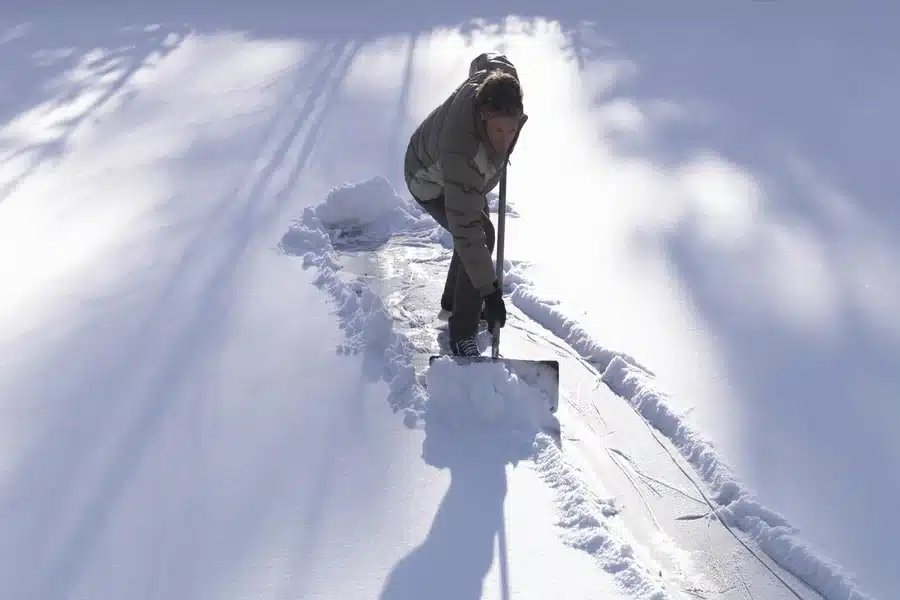
Shoveling snow might seem like a mundane winter chore, but failing to adequately prepare your body for the task can lead to unexpected strains and injuries. This is why it’s so important to stretch.
By incorporating simple stretches inspired by physical therapy techniques, you can reduce the risk of muscle strains and increase your body’s flexibility and resilience. This article explores effective stretches that you’ll learn about in physical therapy school to perform both before and after shoveling snow to help you stay safe and pain-free this winter.
1. Leg Swings
Leg swings are a dynamic stretch that can effectively warm up your leg muscles before shoveling snow. To perform leg swings, stand upright and gently swing one leg forward and backward in a controlled manner.
This movement helps loosen the hamstrings, quadriceps, and hip flexors, preparing them for the repetitive bending and lifting motions involved in shoveling snow. Leg swings improve muscle flexibility but also promote a better range of motion, reducing the risk of muscle strains while engaging in winter maintenance tasks.
2. Arm Circles
Arm circles are a simple yet effective warm-up for the shoulder and arm muscles before shoveling snow. Stand with your feet shoulder-width apart and extend your arms out to the sides. Begin making circular motions with your arms, gradually increasing the circles’ diameter.
This dynamic movement helps increase blood flow to the shoulders and arms, loosening up the muscles and joints essential for effective snow shoveling. Arm circles are particularly beneficial in preventing shoulder strains and reducing the likelihood of muscle fatigue.
3. Hip Flexor Stretches
The hip flexors stabilize the pelvis and support the lower back during physical activities. Performing hip flexor stretches before snow removal can help alleviate tension and tightness in the hip flexors.
To stretch your hip flexors, kneel on one knee with the opposite foot planted flat on the ground. Gently push your hips forward while keeping your back straight until you feel a comfortable stretch in the front of your hip.
Hold this position for a few seconds before switching sides. By incorporating hip flexor stretches into your pre-shovel routine, you can improve hip mobility and reduce the risk of lower back pain associated with snow shoveling.
4. Shoulder Stretch
After the physical exertion of shoveling snow, it’s essential to release tension from your shoulders with a simple shoulder stretch. To perform this stretch, stand or sit upright and reach one arm across your chest. Use your opposite hand to gently pull the arm closer to your body, feeling a stretch along the back of your shoulder.
Hold this position for 15 to 30 seconds before switching to the other arm. The shoulder stretch helps alleviate tightness in the shoulder muscles, promoting relaxation and improved range of motion after snow shoveling.
5. Lower Back Stretch
Shoveling snow can strain your lower back, so it’s important to include a post-shoveling lower back stretch in your routine. Begin by lying on your back with your knees bent, then slowly hug your knees towards your chest, holding them with your hands.
Maintain this position for 20 to 30 seconds, feeling a gentle stretch in your lower back and hips. The lower back stretch helps decompress the spine, reduce muscle tension, and alleviate any discomfort or stiffness resulting from bending and lifting snow.
6. Calf Raises
Calf muscles support your body during the physical movements involved in snow shoveling. Incorporating calf raises into your post-shoveling routine can help strengthen these muscles and prevent fatigue or cramping.
To perform calf raises, stand with your feet hip-width apart and slowly lift your heels off the ground, raising onto the balls of your feet. Hold this position for a few seconds before lowering your heels back down. Repeat this motion 10 to 15 times to effectively work your calf muscles and promote better overall stability and balance.
7. Quadriceps Stretch
To relieve tension in your quadriceps after shoveling snow, a quadriceps stretch can be highly beneficial. Stand upright and bend one knee, bringing your heel towards your buttocks. Grab your ankle with one hand and gently pull it closer to your body until you feel a stretch in the front of your thigh.
Hold this position for 15 to 20 seconds before switching to the other leg. The quadriceps stretch helps improve flexibility in the front thigh muscles, reducing the risk of muscle tightness and maintaining optimal leg function.
Stretch Your Way to a Safer and Healthier Winter
Incorporating a series of stretches inspired by physical therapy techniques before and after shoveling snow can significantly enhance your winter experience. By prioritizing pre-shovel stretches for warming up and post-shovel stretches for cooling down, you can minimize the risk of muscle strains, improve flexibility, and promote overall physical well-being.
Remember, taking a few extra minutes to stretch before and after snow shoveling can make a world of difference. Stay proactive in caring for your body and enjoy a safer, more comfortable snow removal process this winter.