
What Actually Helps You Settle Into a New Home Without Feeling Overwhelmed

Moving can bring relief, hope, and stress all at once. You may feel excited in one moment and tired in the next. That mix is normal, and it does not mean you made the wrong choice. Your first real goal is to settle into a new home without pressuring yourself to make everything perfect in a single week. A lived-in home grows through small actions that repeat each day. You feel better when you prioritize comfort, function, and rest over style. That shift helps you breathe, think clearly, and enjoy the fresh start you wanted.
Start With the Spaces You Use Every Day
The fastest way to settle into a new home is to set up the rooms that carry your day. Make your bed, hang the shower curtain, stock the bathroom, and set up the kitchen items you use most. These tasks may seem basic, yet they remove friction from morning and evening routines. When you can shower, sleep well, and make coffee without digging through boxes, your stress level drops. You also save energy for the next task instead of wasting it on daily annoyances. Try to finish one useful zone at a time instead of opening boxes in every room at once. A home starts to feel stable when the simple parts of life work again.
Protect the Basics Before They Turn Into Stress
Practical details may not feel exciting, yet they shape how safe and settled you feel. Confirm that your locks work, your smoke alarms have batteries, and your utility accounts are active and correct. Take a few minutes to check the water shut-off points and the breaker box as well. One topic people often push aside is insurance considerations, even though it can save money and worry later. Renters or homeowners insurance can protect you against losses from theft, fire, or water damage. It is also smart to document valuable items with photos once you unpack them. These steps do not take long, and they give you a stronger sense of control.
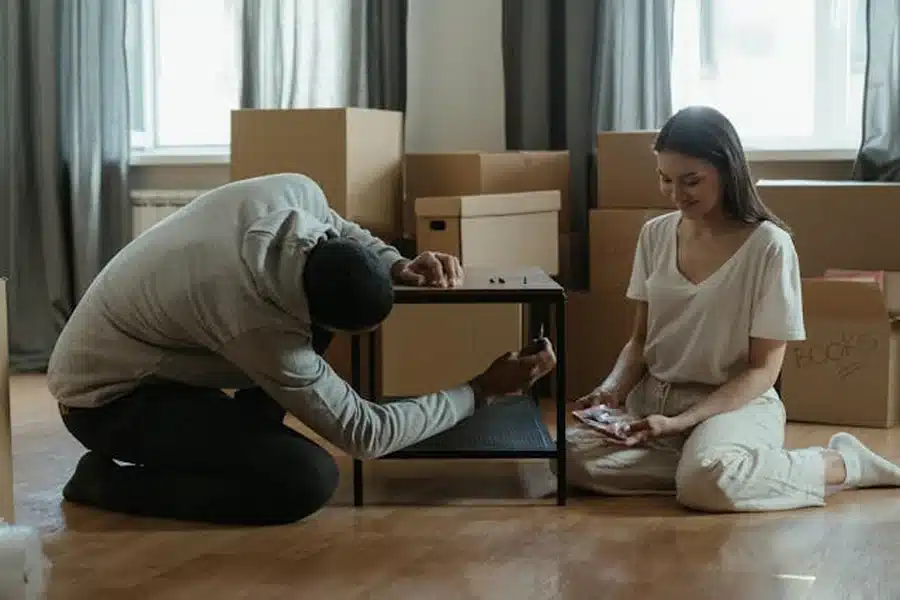
A new home feels better when the basics are covered. Check your locks, alarms, utilities, and insurance, then save photos of valuable items for extra peace of mind.
Small Systems Save Time Later
A move feels heavier when every object lacks a place. Put a bowl by the door for keys, choose one drawer for tools, and give chargers a single home. These tiny systems stop the daily mess before it starts. They also help you make decisions faster, which matters when your brain already feels full. If your goal is settling into a new apartment faster, simple systems do more than fancy decor ever will. You can still add art, color, and personality later without stress. Right now, clear storage and easy access will help the space support you from day one.
What Actually Helps You Settle Into a New Home: It Works Better as a Slow Process
Many people think they need one huge push to finish the move and feel calm. That idea often backfires because it turns every box into a deadline. A better approach is to treat the first few weeks as a gentle setup period. You can unpack with purpose, pause when you need rest, and return the next day with more focus. This pace keeps frustration low and helps you make better choices about where things should go. It also gives you time to notice how you actually live in the space. A home becomes easier to manage when your choices match your real habits instead of your moving-day panic.
Comfort Comes From Routine, Not Perfection
You do not need every shelf styled to feel at home. Comfort usually comes from repeated habits that tell your mind the space is safe and familiar. Make tea at the same time each evening, open the windows in the morning, or read in one chair before bed. These routines create rhythm, and rhythm makes a new place feel less strange. Scent can help too, so use the candle, soap, or laundry detergent that already feels familiar to you. Soft lighting in the evening also changes the mood of a room in seconds. The goal is to build a home that supports your real life, not a photo you stage for one afternoon.
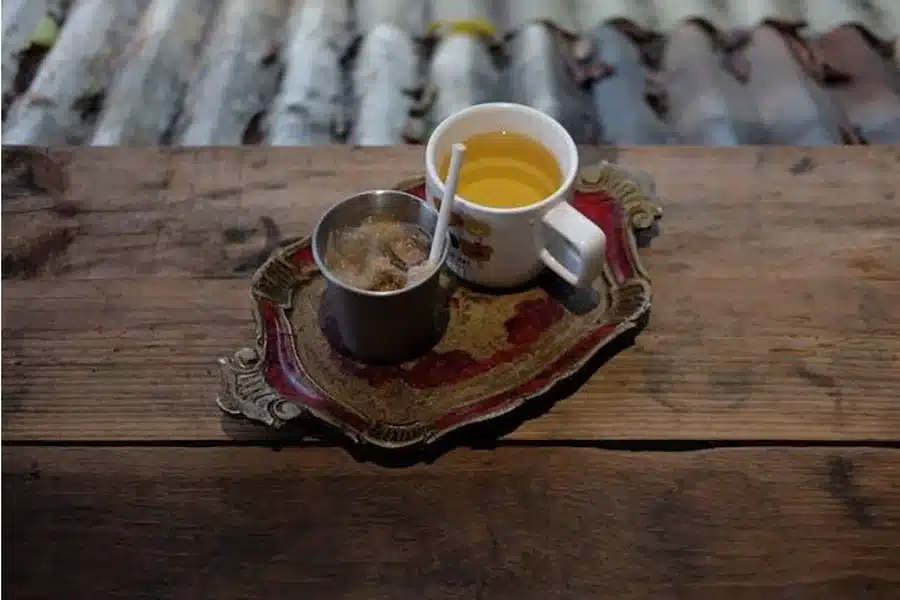
Home starts to feel real through small daily habits. Familiar scents, soft lighting, and simple routines can turn a new space into a place that feels calm, warm, and truly yours.
Finish a Few Local Tasks Early
Part of feeling settled comes from handling the outside details that follow a move. Therefore, update your address, learn the trash schedule, and find the nearest grocery store, pharmacy, and urgent care option. These tasks seem small, yet they lower stress during busy days because you already know where to go. You should also save the contact details for your landlord, building manager, or key repair services in your phone. Once these basics are done, the area around your home starts to feel more familiar, too. That sense of local ease often helps the inside of the home feel calmer as well.
Let People Make the Place Feel Lived In
A home can stay emotionally empty even after every box is open. Invite one friend over for coffee, share takeout on the floor, or call family while you cook dinner. Those moments build warmth much faster than another shopping trip. It becomes easier to settle into a new home when voices, food, and simple company enter the space before everything looks finished. You do not need to host a big event or impress anyone with decor. A short visit can help the rooms feel active, real, and connected to your life. That kind of comfort often matters more than matching furniture or perfect wall art.
A Calm Start Matters More Than a Perfect Start
Most people feel better once they stop measuring success by how fast the home looks complete. A good start comes from sleep, food, routine, safety, and a few familiar comforts. The details that matter most are often the plain ones you use every day. In the end, you settle into a new home through repeated small actions, not one huge burst of effort. Give yourself time to learn the space, shape your routines, and notice what makes you feel calm there. That patience helps the home reflect your life instead of your stress. Once that happens, the rooms stop feeling new and start feeling truly yours.