
Container Tracking API: How to Integrate Real-Time Shipment Data into Your System
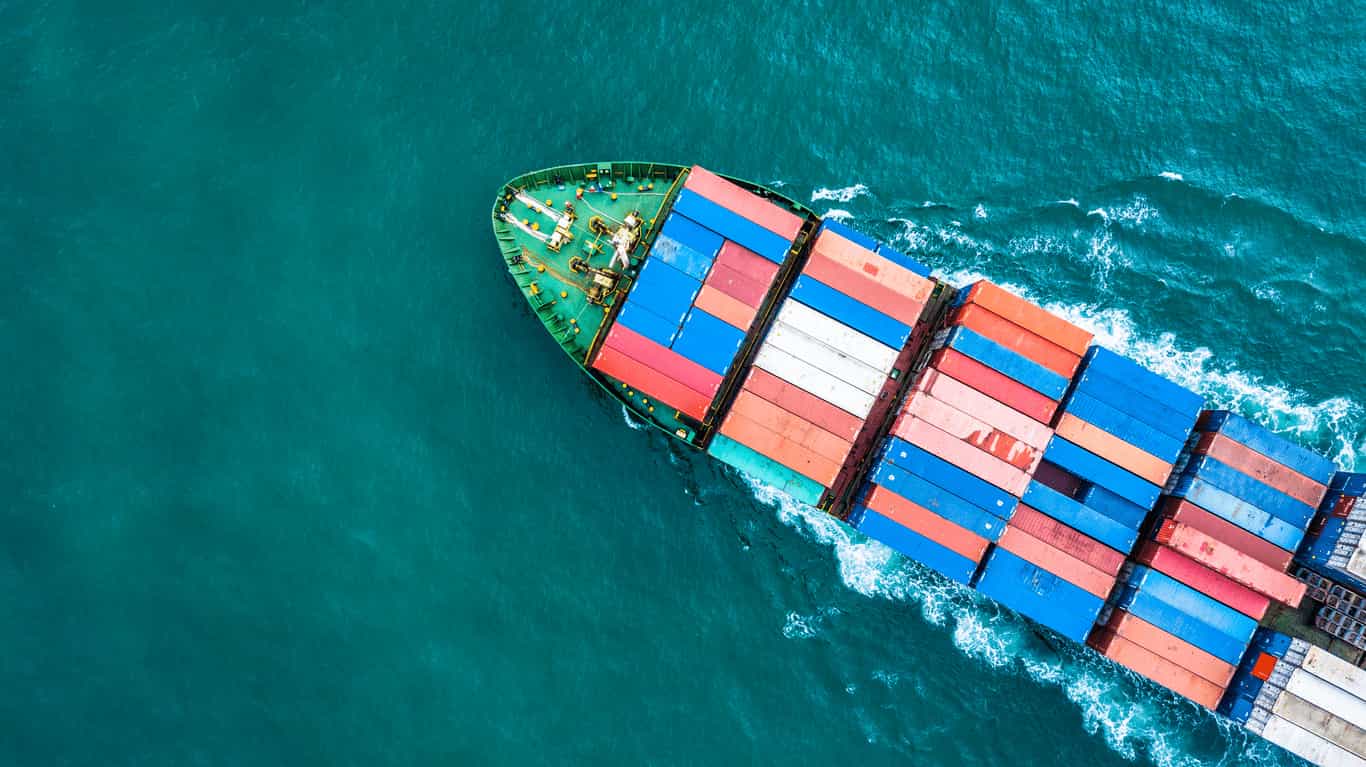
Tracking a single container is simple. Tracking dozens across different carriers is not. Each shipping line publishes updates in its own system, with its own logic and format. To check a shipment, you often have to open multiple websites, enter the same number, and interpret different status messages. At scale, this turns into a routine that costs time and introduces errors.
The core problem is fragmentation. One carrier may report “Gate in” while another uses “Received at terminal” for the same event. Some provide detailed milestones, others only key checkpoints. There is no unified interface where all shipments can be monitored in the same way. As a result, teams rely on manual tracking: copying container numbers into forms, updating spreadsheets, and forwarding status emails to clients. This process does not scale and makes it difficult to build reliable internal workflows.
A container tracking API solves this by acting as a single layer between your system and multiple carriers. Instead of working with dozens of sources, you connect to one endpoint. The API collects data from shipping lines, normalizes it into a consistent structure, and delivers updates in near real time. For example, regardless of whether a carrier uses “Discharged” or “Unloaded,” the API can return a standardized event that your system can process without additional logic.
Integration typically starts with simple inputs: a container number, a bill of lading (B/L), or a booking number. These identifiers are sent to the API, which resolves them across supported carriers. The output is a structured response with events, timestamps, locations, and current status. For instance, a request with a container number may return a timeline: loaded at Shanghai, departed port, arrived at Rotterdam, discharged, and gated out. This format allows developers to build features without handling carrier-specific differences.
The practical use cases are clear. In a TMS, API data can automatically update shipment records and trigger alerts when delays occur. In dashboards, it can power real-time views of all active shipments, grouped by route or client. In customer portals, it allows end users to track their cargo without leaving your platform. Instead of redirecting clients to external carrier websites, you provide a consistent tracking experience within your own interface.
Choosing the right API requires attention to several factors. Coverage is critical: the more shipping lines supported, the fewer gaps in your data. For global operations, support for 100+ carriers is often necessary. Latency also matters. If updates arrive hours late, operational decisions may already be outdated. Data quality is another key point. Inconsistent or missing events reduce trust in the system and require manual verification.
Pricing models vary. Some providers charge per API call, which can become expensive if you poll for updates frequently. Others charge per shipment, counting each tracked container or booking once within a billing cycle. The second approach aligns better with logistics workflows, where the number of shipments is more predictable than the number of requests.
TimeToCargo API is an example of this model. The service provides a container tracking API that aggregates data from more than 100 shipping lines and returns normalized shipment events. Instead of charging for every API request, it prices usage based on tracked shipments. For example, if you monitor 200 containers in a month, billing is tied to those 200 shipments, regardless of how often you update their status. This approach simplifies cost control and supports frequent data refresh without additional overhead.
In practice, integrating a container tracking API replaces manual routines with automated flows. A shipment created in your system can be tracked continuously without user intervention. Status updates can trigger notifications, update dashboards, or feed analytics. Over time, this reduces operational load and improves visibility across the supply chain.
For companies managing multiple shipments daily, the difference is measurable. What used to require checking several carrier portals becomes a single request. What used to be inconsistent data becomes a structured timeline. A container tracking API does not just centralize information, it makes it usable.