
Dab Tool Sets Explained: Which Styles Work Best for Different Concentrate Consistencies
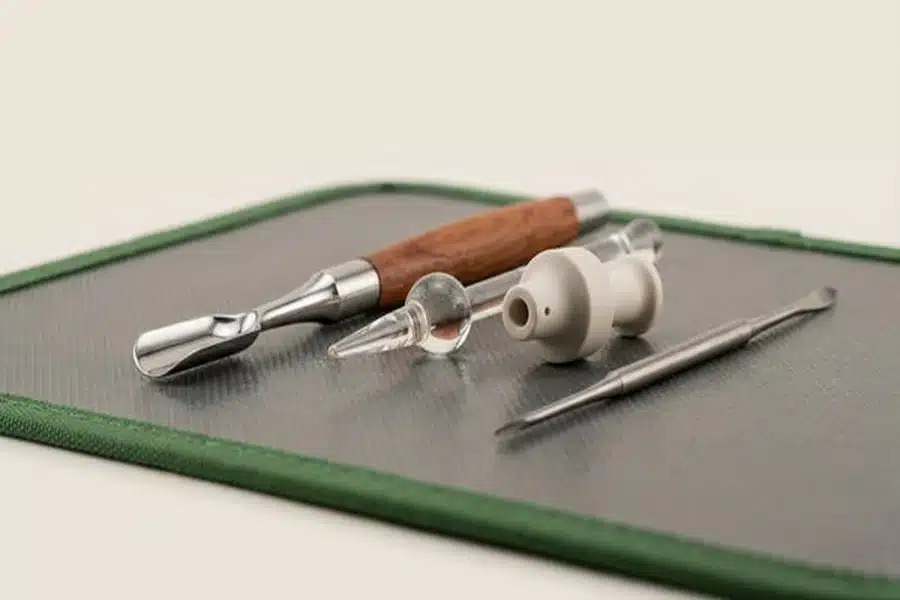
Concentrate handling depends on contact area, grip stability, and clean release. Each extract behaves differently once it leaves the jar and meets metal, glass, or ceramic. Dense wax resists lifting, brittle shatter snaps under pressure, sugar clumps, and terpene-rich sauce can run before placement. Those physical differences shape dose control, surface waste, and residue left behind. A useful tool set matches texture first, then refines comfort, hygiene, and transfer accuracy.
Why Texture Leads
Texture should guide selection because viscosity changes pickup speed, release timing, and how much material stays stuck to the tip. Soft extracts can string across narrow ends, while thin sheets may skid off rounded edges. For buyers comparing shape, hand feel, and upkeep, the best dab-smoking tool kit usually covers several consistencies without awkward wrist motion or excess residue gathering on the jar rim. That range supports steadier dosing and cleaner handling.
Sticky Wax
Sticky wax and balm respond well to pointed or lightly curved tips. Those shapes enter dense material with less drag, then release with a gentle roll. Flat paddles can work, though they often spread product across the edge instead of lifting it cleanly. Smaller portions are also easier to serve with a narrow point. In warmer rooms, brief contact helps limit smearing and loss.
Shatter
Shatter acts more like a thin, brittle sheet than a paste, so a blade or chisel end usually performs better. That profile slides underneath and lifts sections without sudden cracking. Needle tips can send fragments sideways, which adds to cleanup and wastes material. A broad face also helps with dose sizing before heat exposure. Cold storage makes this style even more useful because the sheet stays rigid.
Crumble And Rosin
Crumble, dry resin, and some hash rosin usually need a spoon or scooper tip. These textures break apart easily, so a shallow cup keeps loose pieces together during transfer. Sharp ends often leave small particles on the jar wall or tray. Wider scoop shapes also help with measured loading when a larger dab is planned. Dual-ended pieces work well for people rotating between dry and tacky material.
Sauce And Live Resin
Live resin sauce and terpene-heavy extracts demand more control than dry forms. A shallow spoon, capped edge, or small ball tip can hold liquid long enough for accurate placement. Straight needles tend to drip before the wrist reaches the banger. Longer handles also improve steadiness near heated quartz. Since low-viscosity material spreads quickly, smaller loads usually produce cleaner release and less pooling.
Material Choice
Material affects flavor retention, heat transfer, and cleaning effort. Glass tips stay chemically neutral and make residue easy to spot after use. Titanium handles tolerate impact well and hold up near tough trays or sink edges. Ceramic can retain warmth longer than expected, which may slow the release of softer extracts. Mixed sets offer practical value because one surface rarely suits every consistency equally.
Combination Tips
Dual-ended tools help with mixed collections because one piece can cover more than one texture. A point on one side and a scoop on the other handle wax, crumble, and softer resin with fewer interruptions. That setup also saves space on a tray or station. The main drawback is maintenance, since both ends collect residue. Protective caps can reduce mess during storage.
Handle Length
Handle length matters because distance affects safety and precision at the same time. Short tools can feel accurate for tiny servings, yet fingers stay closer to the heated parts. Longer stems create more clearance and calmer movement during release. Balanced weight also lowers the chance of sudden tipping once the concentrate softens. People using reclaimers or dropdowns often prefer extra reach because hardware depth changes wrist position.
Cleaning And Storage
Residue buildup affects flavor, hygiene, and dose consistency over time. Smooth surfaces usually wipe clean faster than textured tips, especially after sticky concentrates. Silicone jars help with storage, though hot tools should stay separate to prevent accidental contact. Quick alcohol wipes between sessions keep transfer surfaces cleaner and easier to read visually. A simple tray also reduces losses from crumbs, flakes, or sauce drips.
Conclusion
The most useful dab tool set is usually the one that matches shape to consistency, not the one with the largest piece count. Pointed ends suit wax; broad blades lift and shatter; scoopers gather crumble; and shallow spoons manage fluid sauce. Handle length and material, then refine safety, control, and cleaning speed. With those variables compared clearly, buyers can choose pieces that reduce waste and concentrate handling more precisely over time.