
Missing a Tooth? Here’s Why Dental Implants Are the Long-Term Solution
A missing tooth does more than leave a gap in a smile. It quietly changes how someone eats, speaks, and feels comfortable in social settings. Left alone, that empty space invites neighboring teeth to drift, which can throw off the entire bite and accelerate bone loss in the jaw. Several replacement options exist, but few deliver truly permanent results. For anyone weighing their choices, it helps to understand why implants consistently stand apart as the most dependable path to a full, functional smile.
How Dental Implants Work
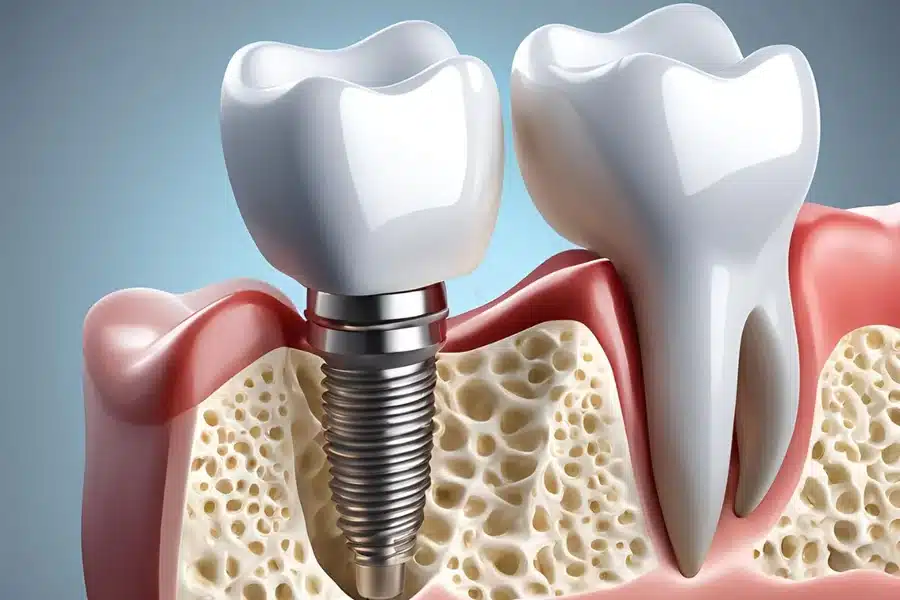
The structure behind an implant is straightforward, even if the science is impressive. A small titanium post is placed directly into the jawbone, serving as a substitute root. Over the following months, bone tissue gradually grows around and bonds with the post through osseointegration. That biological connection is what gives the restoration its remarkable strength.
After healing, an abutment is attached to the post, and a custom crown sits on top. Patients looking into “dental implants Las Vegas” can find practices that rely on detailed 3D imaging to plan each placement with precision. The finished result closely replicates the look, feel, and function of the original tooth, letting patients smile and chew with genuine confidence.
Benefits That Last a Lifetime
Preserving Jawbone Health
Bone tissue in the jaw depends on regular stimulation to stay dense. Once a tooth is gone, that stimulation disappears, and the bone gradually shrinks. Bridges and dentures rest above the gum line, so they offer no help in this regard. An implant, on the other hand, channels biting forces straight into the bone. That consistent pressure keeps the tissue active and helps preserve natural facial contours year after year.
Superior Stability and Comfort
Removable appliances tend to shift during meals or slide mid-conversation. Because an implant is anchored in the bone, it stays firmly in place at all times. Patients can bite into crisp foods, laugh freely, and speak without pausing to reposition a loose prosthetic. There is also no need for adhesive pastes or overnight soaking routines.
Protecting Adjacent Teeth
Placing a traditional bridge means grinding down healthy teeth on either side to create anchor points. That process removes protective enamel and increases the risk of decay on those supporting teeth down the road. Implants are self-supporting, so surrounding teeth remain completely intact and unaltered.
Comparing Implants to Other Replacement Options
A standard bridge generally holds up for five to fifteen years before it needs replacing. Dentures often require relining every few years as the jawbone reshapes beneath them. Implants, in contrast, routinely last multiple decades with attentive care. Published research reports success rates exceeding 95% even at the ten-year milestone.
The upfront cost can give patients pause. Yet replacing a bridge two or three times, or relining dentures repeatedly, adds up over the years. When durability, bone preservation, and fewer follow-up appointments are factored in, implants frequently prove to be the more economical choice over the long term.
Who Qualifies for the Procedure
Most healthy adults with sufficient bone density are strong candidates. For location-specific planning, patients considering dental implants in Torrance should expect the same careful review of bone support and oral health. A comprehensive evaluation, typically involving X-rays or a CT scan, allows the dental team to measure bone volume and review overall oral health. Medical factors like uncontrolled diabetes or heavy tobacco use can slow healing, so an honest conversation about health history with the provider matters.
Bone Grafting for Low Bone Volume
Significant bone loss does not automatically disqualify a patient. A grafting procedure can rebuild the area, creating the foundation needed to support a titanium post. Recovery from the graft does add a few extra months to the overall timeline, but it gives patients who would otherwise lack adequate structure a clear path forward.
Caring for Implants After Placement
Daily upkeep closely mirrors what healthy, natural teeth require. Brushing twice a day, flossing carefully around the restoration, and keeping up with routine dental visits protect both the implant and the tissue surrounding it. An antibacterial rinse adds another layer of defense against gum inflammation. Steering clear of habits like chewing ice or biting pen caps also helps the crown hold up over time.
Conclusion
Living with a gap in the smile is not something anyone has to accept as permanent. Implants provide a fixed, lasting restoration that safeguards bone health, leaves neighboring teeth unharmed, and brings back full chewing ability. Decades of clinical evidence support their reliability, making them a worthwhile investment for long-term oral health. A conversation with a qualified dental professional is the best starting point for evaluating candidature and mapping out a treatment plan suited to individual needs.