
The Importance of Seasonal Heating System Inspections by Heating Contractors
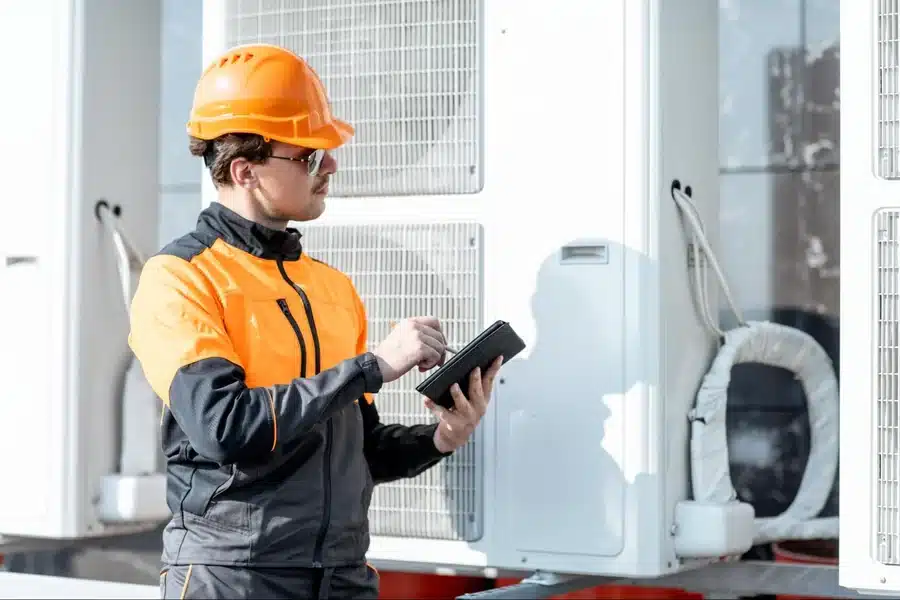
Heating systems play a central role in maintaining comfort and safety in homes throughout colder months. Regular seasonal inspections help ensure that equipment functions efficiently and reliably when temperatures drop. Without timely checks, minor issues can develop into costly breakdowns or reduced performance over time. Heating contractors evaluate components such as filters, burners, thermostats, and airflow systems to identify early signs of wear.
This proactive approach supports energy savings, extends equipment lifespan, and improves indoor air quality. Homeowners who schedule routine inspections often experience fewer disruptions and more consistent warmth during seasonal changes, making maintenance an important part of home care.
Key Areas of Heating Maintenance Focus
Early Detection of Heating Issues
Seasonal inspections provide an opportunity to identify mechanical concerns before they escalate into system failures. Heating contractors inspect critical components such as heat exchangers, ignition systems, and ductwork to ensure everything is operating as intended. Small irregularities, such as unusual noises, inconsistent airflow, or minor leaks, can indicate underlying problems that require attention. Addressing these concerns early helps prevent unexpected breakdowns during peak usage periods when heating demand is high. It also supports steady performance across changing weather conditions.
In addition, early detection reduces the likelihood of emergency repairs, which can be more disruptive and costly. Regular evaluation ensures that heating systems remain stable, efficient, and capable of delivering consistent comfort throughout colder months. This level of preventive attention is particularly valuable in older systems that may have accumulated wear over time. Consistent inspection schedules also help homeowners plan maintenance budgets more effectively over time. Reducing unexpected system strain during the winter months.
System Efficiency and Performance Checks
Seasonal inspections also focus on system efficiency, ensuring that heating units use energy in a balanced and controlled manner. Contractors assess thermostat calibration, airflow balance, and fuel usage to determine whether adjustments are needed to improve overall operation. Even small inefficiencies can increase energy consumption, making inspections an important part of cost-conscious home management. A service provider like Aaron’s AC & Heat often emphasizes routine evaluations that support long-term system reliability.
These evaluations help identify energy losses that may not be noticeable during everyday use. Improved efficiency not only reduces utility strain but also contributes to more stable indoor temperatures across seasons. Over time, consistent performance checks help heating systems operate more smoothly with fewer interruptions. This creates a more reliable environment for households that rely on steady warmth. It also reduces strain on key components during periods of heavy demand. Regular attention to system efficiency helps extend the overall usability of equipment.
Improved Safety Considerations
Heating systems that undergo seasonal inspections are less likely to develop safety hazards related to gas leaks, electrical faults, or blocked ventilation pathways. Contractors carefully examine wiring, sensors, and combustion areas to ensure safe operation throughout the heating season. This reduces the risk of sudden malfunctions that could compromise household safety or comfort. Proper ventilation checks are particularly important in preventing the buildup of harmful gases inside enclosed spaces. Regular seasonal assessments also help maintain compliance with general safety expectations for residential heating systems.
Consistent monitoring ensures that components such as filters and ducts remain clean and unobstructed. This contributes to a healthier indoor environment by reducing airborne contaminants and improving air circulation. Families benefit from knowing that their heating system is operating safely during colder periods. Over time, safety-focused inspections help reduce the likelihood of recurring system-related concerns. This ongoing attention supports overall household wellbeing during the winter months. consistently.
Long-Term Cost Stability Benefits
Seasonal inspections play an important role in managing long-term household heating costs by preventing avoidable system failures and inefficiencies. When heating units operate without issues, they require less energy to maintain consistent indoor temperatures. Contractors assess system performance to identify areas where energy loss may be occurring unnoticed. Addressing these inefficiencies early can reduce the likelihood of expensive repairs later in the system’s life cycle. Seasonal evaluations also help maintain balanced system operation across different usage periods throughout the year. This reduces unnecessary strain on components that might otherwise wear out prematurely.
Over time, this approach contributes to more predictable maintenance needs and fewer emergency interventions. It also allows households to better anticipate seasonal energy consumption patterns. Consistent system oversight reduces the risk of sudden heating interruptions during peak cold conditions. This stability helps families manage comfort levels more easily during the colder months of the year, without unexpected disruptions.
Extending System Lifespan Through Maintenance
Heating systems benefit significantly from routine seasonal inspections that help reduce wear and maintain smooth mechanical operation over time. Contractors inspect components such as motors, belts, and control systems to ensure they are functioning within acceptable limits. When parts are properly maintained, the system experiences less stress during extended periods of use. This reduces the likelihood of breakdowns that shorten the overall lifespan of heating equipment. Seasonal attention also helps maintain consistent airflow, which is essential for balanced operation. Systems that receive regular evaluation tend to perform more reliably across varying environmental conditions.
This reliability reduces the frequency of sudden repairs that can interrupt household comfort. Over time, proper maintenance practices help extend the functional life of heating systems. Contractors also monitor system responsiveness to ensure consistent performance across varying temperatures. This helps detect minor issues before they develop into larger mechanical concerns during regular operating cycles.
Improved Indoor Air Quality
Seasonal inspections improve indoor air quality by ensuring that filters, ducts, and ventilation systems remain clean and functional. Dust, debris, and accumulated particles can restrict airflow if not properly addressed during routine maintenance checks. Heating contractors evaluate air circulation patterns to ensure that heated air is distributed evenly throughout living spaces. Clean systems also help reduce allergens that may circulate indoors during colder months when windows remain closed. This supports a more comfortable living environment, especially for individuals sensitive to airborne irritants.
Proper airflow management also ensures that heating systems do not overwork themselves due to blockages. Consistent inspection routines help maintain a balanced distribution of warm air across all rooms. This reduces uneven heating, which can make certain areas less comfortable. Contractors also verify duct integrity to ensure no leakage occurs during operation cycles, which improves indoor air quality throughout the season.
Seasonal heating system inspections remain an important practice for maintaining safe, efficient, and reliable home comfort throughout colder months. By addressing small issues before they grow, homeowners can avoid unexpected disruptions and maintain steady performance across their heating systems. Heating contractors play an important role in evaluating system condition and ensuring all components function properly.
Regular maintenance also supports improved energy use, reduced repair needs, and a longer system lifespan. Consistent inspections encourage smoother operation during periods of heavy demand, helping households stay comfortable even in challenging weather conditions. This ongoing care provides lasting value for home environments overall.