
The Role of Pipe Material Choice in Preventing Frequent Plumbing Repairs
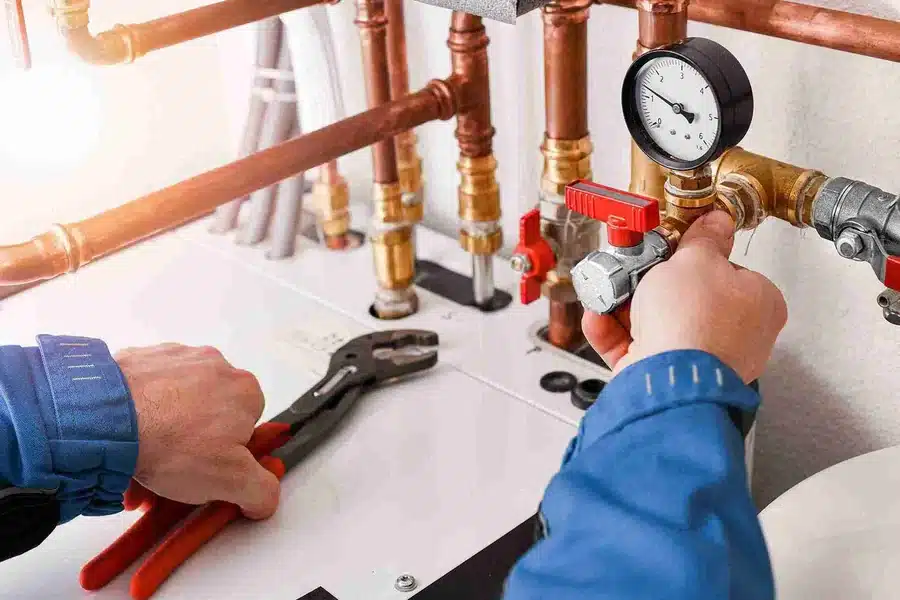
Plumbing systems are expected to function quietly behind walls and beneath floors for decades, yet the materials chosen during installation often determine whether a property experiences years of dependable service or a constant cycle of leaks, corrosion, and expensive repairs. Many homeowners focus on fixtures and appliances when upgrading a plumbing system, but the pipes themselves carry the greatest responsibility for durability and efficiency. Pipe materials respond differently to water pressure, temperature changes, mineral content, and environmental conditions, making material selection one of the most important decisions in residential and commercial construction.
A poorly chosen pipe can weaken prematurely, while a suitable material can reduce maintenance issues and improve water delivery for many years. Understanding how different pipe types behave under daily stress helps property owners avoid repeated plumbing complications and unnecessary repair costs.
Choosing the Right Foundation
How Water Quality Affects Pipe Durability
Water composition plays a major role in determining how long plumbing pipes remain reliable. Hard water containing high mineral concentrations gradually builds deposits inside certain pipe materials, restricting water flow and increasing pressure within the system. Acidic water can also accelerate corrosion in metal piping, leading to pinhole leaks and rust contamination that damages fixtures and appliances. In regions where water quality fluctuates throughout the year, the wrong pipe material may deteriorate far more quickly than expected. Copper pipes, for example, may corrode more quickly in highly acidic conditions, while galvanized steel often develops mineral buildup that narrows the interior diameter over time.
Modern alternatives such as PEX tend to resist many of these issues because they are less vulnerable to corrosion and scaling. Property owners who consider water chemistry when selecting plumbing materials often experience fewer repair visits and lower maintenance costs over the system’s lifespan. Companies such as Kinsmen Service Pros often emphasize how matching pipe material to local water conditions can significantly reduce recurring plumbing failures in residential properties.
Copper Pipes and Their Long-Term Reliability
Copper has remained a trusted plumbing material for decades because of its strength, heat resistance, and ability to handle high water pressure. Many older homes still have copper piping systems that continue to function effectively after several decades of use. Copper is also resistant to ultraviolet exposure, making it suitable for areas where pipes may be exposed to sunlight. Despite these strengths, copper is not immune to problems. Corrosion can develop when water has a low pH, and freezing temperatures may cause rigid copper pipes to crack if the water inside expands. Installation costs are also higher because soldering requires more labor and skill compared to flexible pipe materials.
Even so, copper remains valued for its durability and ability to deliver clean water. Homeowners who prioritize longevity often choose copper in areas where water quality supports its use. When installed properly and protected from corrosive conditions, copper piping can minimize the need for recurring repairs and provide consistent performance for many years without significant deterioration.
The Growing Popularity of PEX Plumbing Systems
PEX piping has transformed modern plumbing because of its flexibility, affordability, and corrosion resistance. Unlike rigid metal pipes, PEX can bend around corners, reducing the need for numerous fittings and joints where leaks commonly occur. Fewer connection points often translate into fewer repair issues over time. PEX also handles freezing conditions more effectively than many traditional materials because it can expand slightly without splitting immediately under pressure. This characteristic makes it attractive in climates where winter temperatures create a risk of frozen plumbing lines.
Another advantage is its resistance to scale buildup and corrosion, both of which contribute to frequent plumbing failures in metal systems. Installation tends to be faster as well, reducing labor expenses during construction or remodeling projects. However, PEX is vulnerable to prolonged ultraviolet exposure and may not be suitable for outdoor installations without protection. Rodent damage can also become a concern in some environments. Even with these limitations, PEX has become widely used because it balances durability, efficiency, and lower maintenance requirements in many residential plumbing systems.
Why Galvanized Steel Often Leads to Repairs
Galvanized steel pipes were once commonly installed because their zinc coating provided protection against rust and corrosion. Over time, however, many property owners discovered that these pipes often develop internal mineral buildup and corrosion that gradually reduces water pressure and flow. As the zinc layer deteriorates, rust forms inside the pipe walls, creating discoloration in water and increasing the likelihood of leaks. Older galvanized systems frequently require repeated repairs because weakened sections become vulnerable to cracking and blockage. The rigid nature of steel piping also means stress from shifting foundations or pressure changes may contribute to joint failures.
In many aging homes, galvanized pipes have become a major source of plumbing maintenance issues. Replacing these systems with more modern materials often improves water quality and reduces recurring repair costs. Although galvanized steel played an important role in earlier construction practices, it is now largely considered less reliable for long-term residential plumbing due to the maintenance demands that develop as the pipes age.
PVC and CPVC in Residential Plumbing
PVC and CPVC pipes are widely used because they are lightweight, corrosion-resistant, and relatively affordable. PVC is commonly installed in drain, waste, and vent systems because it handles wastewater effectively without rusting or developing mineral buildup. CPVC, which can withstand higher temperatures, is often used for hot- and cold-water supply lines in residential settings. These materials resist many of the corrosion issues that affect metal piping, helping reduce leaks caused by chemical reactions within the plumbing system. Their smooth interior surfaces also support steady water flow by minimizing buildup over time.
However, plastic pipes can become brittle when exposed to extreme temperatures or prolonged sunlight. Improper installation may also result in cracking around joints if pipes experience excessive stress or movement. While plastic piping systems can provide years of dependable service, selecting the correct application remains essential. Using PVC or CPVC in environments that exceed their intended temperature or pressure limits can increase the likelihood of damage and lead to repeated plumbing repairs that could otherwise be avoided.
Pipe material selection directly influences how often plumbing systems require maintenance and repair throughout their lifespan. Every material offers advantages and limitations depending on water quality, climate conditions, installation methods, and daily usage demands. Copper provides durability and strength, while PEX offers flexibility and corrosion resistance. PVC and CPVC remain practical for many residential applications, whereas aging galvanized steel systems often lead to recurring maintenance issues.
Choosing the right material is not simply about initial cost but about long-term reliability and reduced disruption. Plumbing systems designed with suitable materials and installed correctly are far less likely to suffer leaks, corrosion, pressure problems, and premature failures. Thoughtful decisions during construction or renovation can prevent years of avoidable plumbing repairs and contribute to a safer, more dependable property environment.