
Green Roofs and Water Catchment: Assessing Your Roof’s Structural Load Capacity
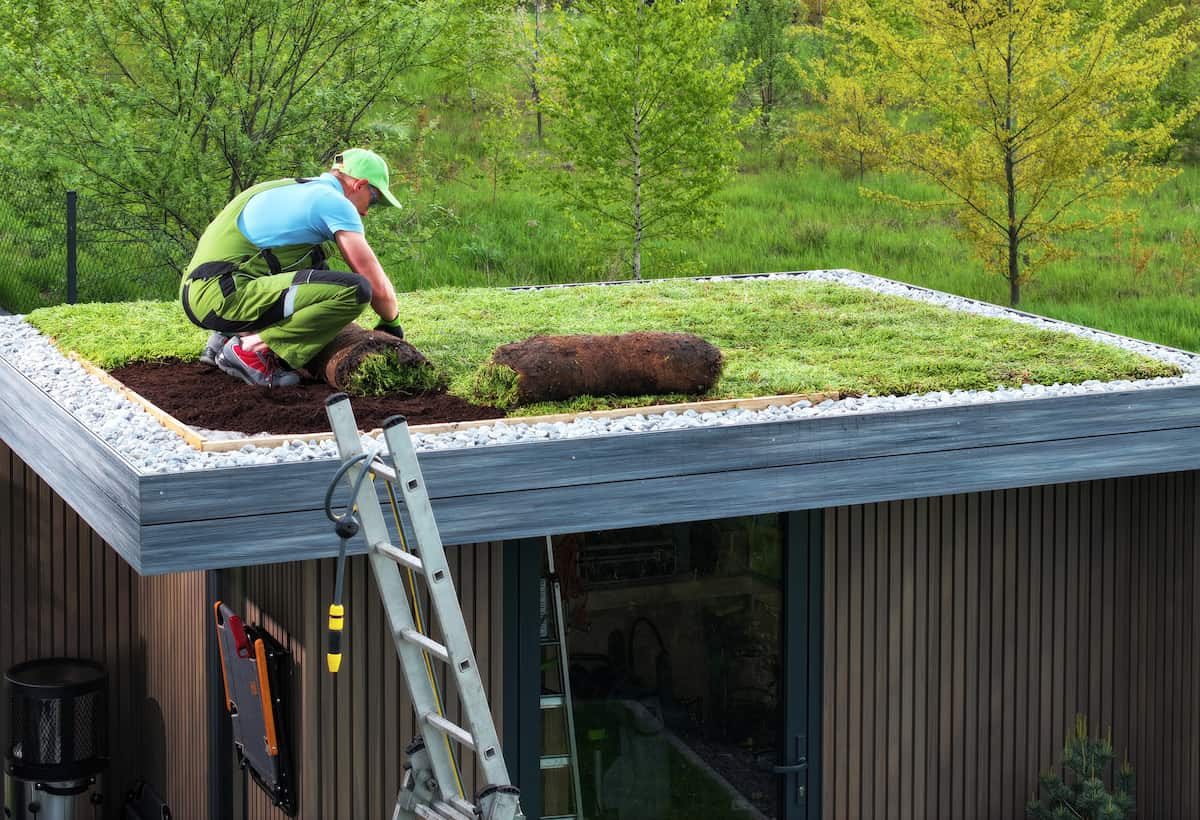
Green roofs have become increasingly popular in the realm of sustainable building practices. They not only provide a visual and environmental reprieve from standard roofing systems but also offer benefits such as improved building insulation and decreased urban heat island effects. However, integrating a green roof into your building encompasses more than just planting greenery; it crucially involves evaluating your roof's structural load capacity to ensure safety and integrity.
Understanding Structural Load Capacity
The Basics of Roof Load Assessment
Before considering a green roof, it is essential to understand what structural load capacity means. Structural load capacity refers to the amount of weight a roof can support without risking damage or failure. This capacity is influenced by factors such as the building's design, construction materials, age of the structure, and the environmental conditions it can endure.
Dead Load Vs. Live Load
In the context of green roofs, two primary types of loads must be considered: dead load and live load. Dead load refers to the permanent, static weight of structural components like beams, roofing material, and other immovable fixtures. Live load, by contrast, includes temporary or dynamic weight added to the structure, such as snow, water retention, and of course, the vegetation and growing medium of a green roof .
Evaluating Green Roof Viability
The Importance of Flat Roof Engineering
Many green roofs are installed on flat or low-slope roofs, making flat roof engineering a critical aspect of the assessment process. Structural engineers, like the experts at ProStruct, assess the load-bearing capacity of these roofs by considering both existing burdens and additional pressures from the green roof system .
Biophilic Architecture Considerations
When integrating green roofs, the principles of biophilic architecture—which emphasizes the human-nature connection—are often employed. This architectural approach not only focuses on aesthetics and sustainability but also ensures that the building structure harmonizes with its natural enhancements, providing a perfect blend of form and function .
ProStruct’s Role in Your Green Roof Project
Professional Assessment and Planning
At ProStruct, our team specializes in assessing and reinforcing the structural integrity required for eco-friendly roofing solutions. We conduct detailed site inspections and structural analyses to determine if your current roof can accommodate the additional load of a green roof system , Contact us today!.
Roof Truss Reinforcement
In cases where the existing roof is not adequate to support a green roof, roof truss reinforcement may be necessary. ProStruct provides tailored solutions, from reinforcing trusses and columns to redesigning the roofing system to withstand both the dead and live loads associated with green roofs .
The Benefits of Eco-Friendly Roofing
Adopting green roofs is not just about enhancing a building aesthetically or environmentally. It also offers practical benefits like improved air quality, energy efficiency, noise reduction, and increased biodiversity in urban areas. Moreover, water catchment systems integrated with green roofs can significantly reduce water runoff, helping to manage stormwater more effectively in urban settings .
Integrating a green roof requires careful consideration of the structural load, especially concerning both dead and live loads. With the expert engineering services of ProStruct, you can ensure that your building is not only aesthetically pleasing and environmentally friendly but also structurally sound. Whether assessing, planning, or reinforcing, rely on ProStruct to guide your journey towards an effective and safe green roof installation. Start your project with confidence by reaching out to us today: ProStruct Engineering.