
Understanding Cannabis, Its Uses, and Effects
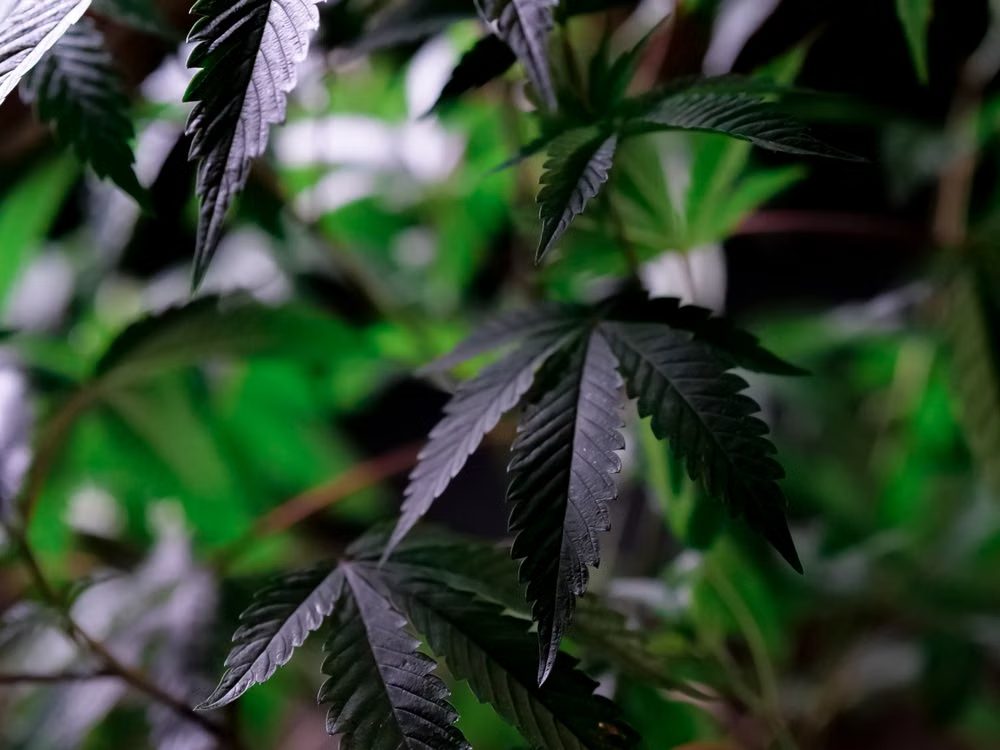
Cannabis plants contain hundreds of active chemical compounds that interact directly with the human body. Understanding how these elements function helps consumers select appropriate options for personal wellness or recreation.
Clear knowledge regarding plant varieties, potency levels, and legal standards keeps individuals informed before making decisions. Learning about cultivation styles, consumer safety, and compound chemistry allows buyers to navigate dispensaries with complete confidence.
Legal Status Across the Nation
Federal policy and local legislation create distinct rules for adult consumers. Federal surveys report that cannabis remains the most used federally illegal drug in the United States, with 61.9 million people using it.
National policies continue to classify the plant under strict controlled-substance categories, creating complex regulatory hurdles across interstate commerce.
State governments often build their own legal frameworks separate from federal standards. Analysis shows 53% of Americans live in a state where adult recreational marijuana consumption is legal.
Local regulations set explicit age requirements, purchase limits, possession caps, and public use boundaries. These regional differences require consumers to research local city and state ordinances before traveling across state borders.
Examining the Legendary Strains
Classic genetics continue to shape consumer preferences in dispensaries nationwide. Enthusiasts often seek out the classic purple haze strain for its energetic head high and distinctive sweet berry profile. Its signature violet flowers make it instantly recognizable in botanical collections.
Breeders prize this genetic lineage for producing uplifting mental clarity paired with gentle physical ease. Breeder records attribute this variety to parent lineages of Purple Thai and Haze. The resulting flowers yield high terpene levels that encourage creative thinking without heavy physical sedation.
Growers value the crop for its dark leaves and dense trichome coverage during late flowering phases. Proper curing techniques preserve its spicy fruit aroma and bold coloration.
Chemical Components and Psychoactive Effects
Active compounds known as cannabinoids dictate how individual strains affect the mind and body. Medical reports show THC acts as the primary driver for psychoactive effects, whereas CBD produces non-psychoactive outcomes that assist with neuropathic pain and inflammation.
These key molecules bind with internal biological receptors located throughout the brain and central nervous system. Plant profiles contain varying ratios of cannabinoids alongside aromatic organic compounds called terpenes.
Terpenes determine the distinct scent profile, ranging from earthy pine to sharp citrus. Higher concentrations of THC produce stronger euphoric reactions, whereas CBD-heavy options remain popular for daytime clearheaded support and stress relief.
Common Methods of Consumption
Methods for consuming raw flower or refined extractions affect onset times and total duration. Inhalation methods like smoking or vaporizing send cannabinoids into the bloodstream quickly, yielding fast-acting outcomes within seconds. Ingested alternatives are processed through the digestive system, taking 1 to 2 hours to deliver noticeable physical effects that last significantly longer.
Selection depends on convenience, lifestyle choices, and personal health priorities:
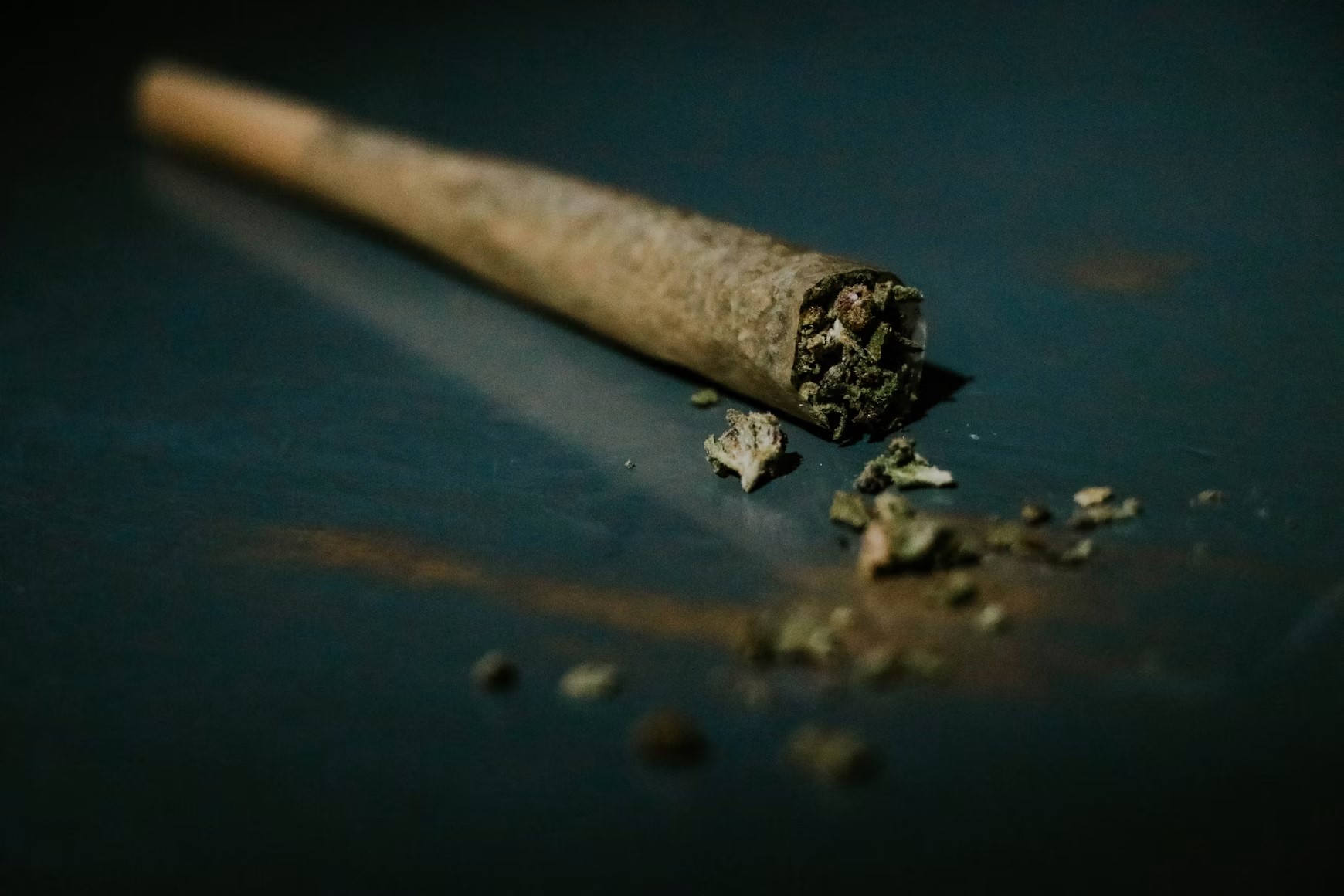
- Smoking dry flower using glass pipes or rolled papers
- Vaporizing concentrated liquid oils or solid wax extractions
- Consuming infused edible products such as fruit gummies or baked sweets
- Applying liquid tinctures or topical creams directly onto targeted skin areas
Dosing accuracy remains critical regardless of delivery preference. Beginners starting with low milligram doses avoid overwhelming physical responses as tolerance develops. Choosing standardized products with lab testing labels protects consumer safety.
Therapeutic Uses and Consumer Applications
Individuals turn to plant products for diverse health and lifestyle reasons. Chronic discomfort management drives consumer motivation, with specific cannabinoid ratios targeting persistent joint and muscle soreness.
Nighttime consumers frequently select deeply relaxing options to encourage consistent rest patterns after stressful workdays. Mental wellness represents another primary area of consumer interest. Certain sativa-dominant options help elevate low mood levels, whereas gentle indica varieties help manage daily stress buildup.
Clear communication with healthcare providers keeps integration safe alongside existing prescriptions and treatment plans. Tracking individual reactions in a journal helps consumers identify optimal product formulations.
Understanding Side Effects and Tolerance
Regular consumption alters personal sensitivity to active compounds over extended periods. Higher dosing requirements develop when internal cannabinoid receptors adapt to frequent usage. Taking planned breaks helps reset body responses back to baseline levels without requiring excessive amounts to achieve desired results.
Unwanted short-term reactions remain possible during high-potency intake. Mild side effects include dry mouth, red eyes, temporary memory slips, and altered time perception. Lowering initial serving sizes reduces the frequency of these uncomfortable symptoms. Staying hydrated and relaxing in a familiar environment helps ease temporary discomfort.
Navigating the world of botanical options requires balancing legal awareness, strain properties, and personal physical response. Responsible consumption starts with understanding personal limits and choosing tested products from licensed vendors. Staying informed about plant science and consumption safety creates a predictable experience every single time.