
Vetting licensed roofers and written warranties helps homeowners avoid costly storm scams
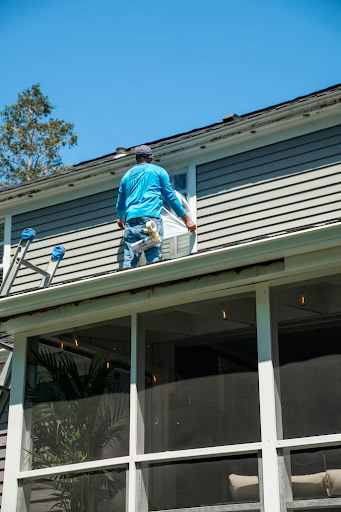
Severe weather events often attract transient storm-chasing crews, leaving you vulnerable to voided manufacturer warranties and substandard workmanship. When high winds or hail hit your neighborhood, knocking crews can promise fast repairs before disappearing once your check clears.
Protecting your home starts with slowing down and checking credentials before anyone climbs a ladder. A careful vetting process helps you spot reliable specialists who stand behind their labor and materials long after storm season ends.
How Do You Spot Transient Operators Versus Local Specialists?
Storm chasers typically show up right after bad weather with out-of-state plates, vague company names, and high-pressure urgency. They often ask for large upfront deposits or push you to sign contingency agreements on the spot. Local exterior specialists, by contrast, maintain a physical office, a track record in your community, and verifiable state licensing and liability insurance.
Checking credentials takes less time than fixing a botched roof. Storm Pros notes that spending roughly 30 minutes verifying a roofing contractor stops most storm chaser trouble before it starts. Ask for proof of active workers’ compensation and general liability coverage, then call the carrier directly to confirm the policy has not lapsed.
What Credentials Should You Confirm First?
Start by looking up the company’s license status with your state or local contractor board. Legitimate operators gladly share license numbers and show up in public databases without excuses.
When a crew claims local roots, check how long they have operated under that exact business name. Fly-by-night outfits sometimes rebrand every season to shake off bad reviews or unpaid bills.
Why Do Manufacturer Certifications Matter for Your Warranty?
Shingle makers set strict installation rules because improper nailing, poor ventilation, or mismatched underlayment can ruin a roof early. When an uncertified roofer cuts corners, the manufacturer can deny your material warranty claim and leave you paying out of pocket.
Manufacturer programs such as GAF Master Elite require ongoing training, financial stability, and strict adherence to installation standards. Because certified contractors meet those benchmarks, they can offer extended non-prorated workmanship warranties that cover both labor and materials for decades. If you work with a Rockville roofing contractor who holds established credentials and manufacturer backing, you get thorough storm inspections alongside lasting warranty protection. That peace of mind matters when a hidden leak shows up years down the road.
How Non-Prorated Coverage Protects Your Budget
Prorated warranties lose value over time, meaning a 10-year-old roof might only get a fraction of its original coverage back. Non-prorated protection keeps full coverage active through the stated warranty period, so a major failure does not turn into a massive surprise expense.
Make sure you receive the warranty certificate in writing once installation wraps up. Registered warranties tied to certified installers are much easier to enforce if you ever sell your house.
Which Line Items Should You Check in Written Estimates?
A vague one-page quote that simply says “replace roof per insurance” leaves too much room for shortcuts. Compare itemized written bids side by side so you know exact materials, labor scope, and cleanup duties before signing.
- Full tear-off disposal: Confirms the crew strips old shingles down to the decking and hauls all debris away rather than layering new shingles over damaged ones.
- Ice barrier protection: Verifies waterproof membrane placement along eaves and valleys where wind-driven rain or melting snow can back up.
- Flashing replacement: Ensures fresh metal flashing around chimneys, skylights, and wall intersections instead of reusing bent or rusted pieces.
- Ventilation and decking: Clarifies how rotten sheathing sheets are billed and whether intake and exhaust vents meet current building code.
How Do Payment Terms Signal a Safe Contractor?
Payment schedules reveal a lot about how a company operates. Impact Exteriors points out that federal consumer guidance advises paying only after the job meets your expectations, and never using cash, wire transfers, cryptocurrency, or gift cards.
Watch out for contractors who demand full payment up front or offer to waive your insurance deductible. Legitimate companies stick to clear milestone payments tied to delivered materials and completed work.
What Should You Ask Before Signing a Contract?
Before you commit, ask who will supervise the job site each day and whether subcontractors will handle any part of the installation. Clear communication upfront prevents confusion when materials arrive, or weather delays push the schedule back.
Confirm how permit pullings and final municipal inspections are handled. A trustworthy contractor pulls required permits in your name or the company’s name and welcomes code checks as proof of solid work.
After installation finishes, keep a neat folder with your itemized contract, permit sign-offs, photos of the finished work, and warranty documents. Schedule periodic visual checks after heavy windstorms or branches hitting the roof so minor issues stay small.
Partnering with a credentialed specialist gives you transparent pricing, code-compliant installation, and dependable warranty support over the life of your roof. By taking a few careful steps up front, you keep storm scammers out and protect one of your biggest investments.