
What Are the Health Risks of Processed Pet Foods?
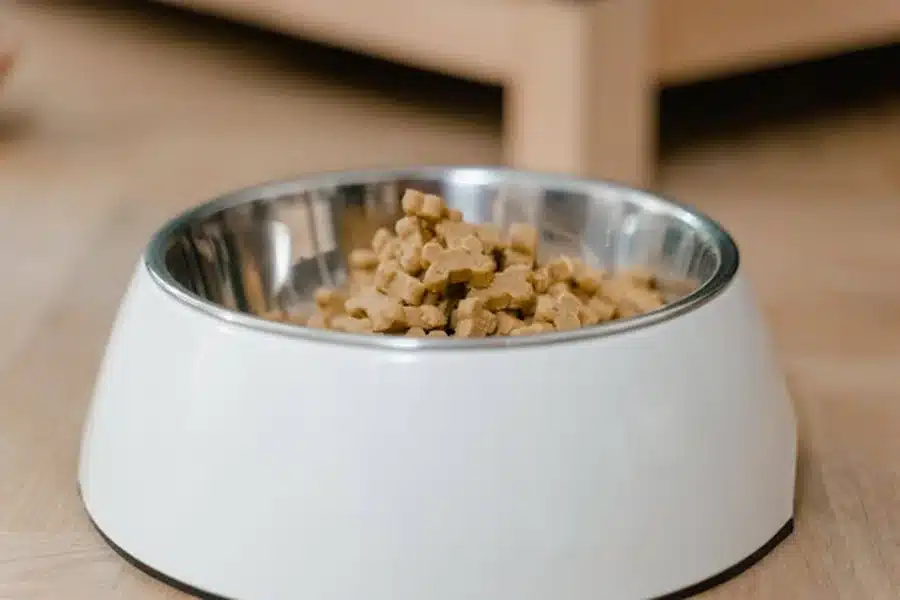
Processed pet foods dominate store shelves. They’re convenient, affordable, and widely available. But are they really good for our furry companions?
Many pet owners overlook what goes into that colorful bag of kibble or that enticing can of wet food. Hidden risks impact pets’ health over time.
What makes processed food risky, how does it compare to fresh alternatives, and what should you look for when choosing pet nutrition? Here’s an overview of the concerns so your pets can stay healthier longer.
Understanding What “Processed” Means for Pet Foods
Processed pet food refers to products made by heavily processing raw ingredients through cooking, grinding, and the addition of preservatives. Manufacturers employ these methods to extend shelf life, improve taste, or reduce costs.
The result is often kibble or canned food that prioritizes convenience over nutrition. Essential nutrients may degrade during processing while fillers like corn syrup and meat by-products dominate recipes.
Pets relying solely on such diets risk missing vital nutrients essential for long-term health. Knowing this distinction helps make better choices.
Hidden Additives and Their Effects on Pets
Processed pet foods often contain hidden additives like artificial flavors, colors, and emulsifiers. These ingredients make the food more appealing but offer no nutritional value. Over time, some pets develop digestive issues or skin conditions due to these substances.
Certain chemical preservatives, which are linked to health concerns, also prolong shelf life. BHA and BHT are examples often flagged for potential risks.
In comparison, buying from a supplier of raw dog food near you gives you complete confidence in knowing what’s in your pet’s bowl. That’s fresh meat and natural nutrients without unnecessary chemicals that could compromise their well-being.
The Role of Preservatives in Long-Term Health Issues
Preservatives keep processed pet food from spoiling, but not all are safe. Synthetic options like ethoxyquin and propylene glycol have been scrutinized for their potential to harm pets over time. These chemicals can strain liver and kidney functions or trigger allergic reactions.
Even natural preservatives, while safer, may lose effectiveness after extended storage periods. Continuous consumption of preserved foods might weaken a pet’s immunity or lead to chronic conditions.
Offering fresh or minimally processed alternatives reduces this exposure. Prioritizing preservative-free choices ensures your pet avoids unnecessary risks tied to long-term consumption of synthetic compounds in their daily meals.
How to Read Pet Food Labels Like a Pro
Feeding your pet is essential, but pet food labels can be confusing. Knowing key details, however, can help. Ingredients are listed by weight, so look for real meats, such as chicken or beef, as the first ingredient. Avoid vague terms like “meat meal” or “animal by-products,” which indicate lower-quality sources.
Watch for fillers such as corn, soy, or wheat, which offer minimal nutritional value. Artificial additives and unrecognizable chemicals signal over-processing.
Check for AAFCO certification on the packaging; it ensures that the product meets basic nutritional standards. When in doubt, consult your vet about better options tailored to your pet’s needs. A little label awareness goes a long way in choosing healthier foods.
The Last Word
Choosing healthier food for your pets starts with understanding risks in processed options. Simple changes, like prioritizing fresh or minimally processed diets, can improve their well-being. Stay informed by reading labels and consulting trusted suppliers or vets. Your efforts help ensure a longer, healthier life for your furry friends.