
A furnace needs immediate repair when it produces a persistent burning
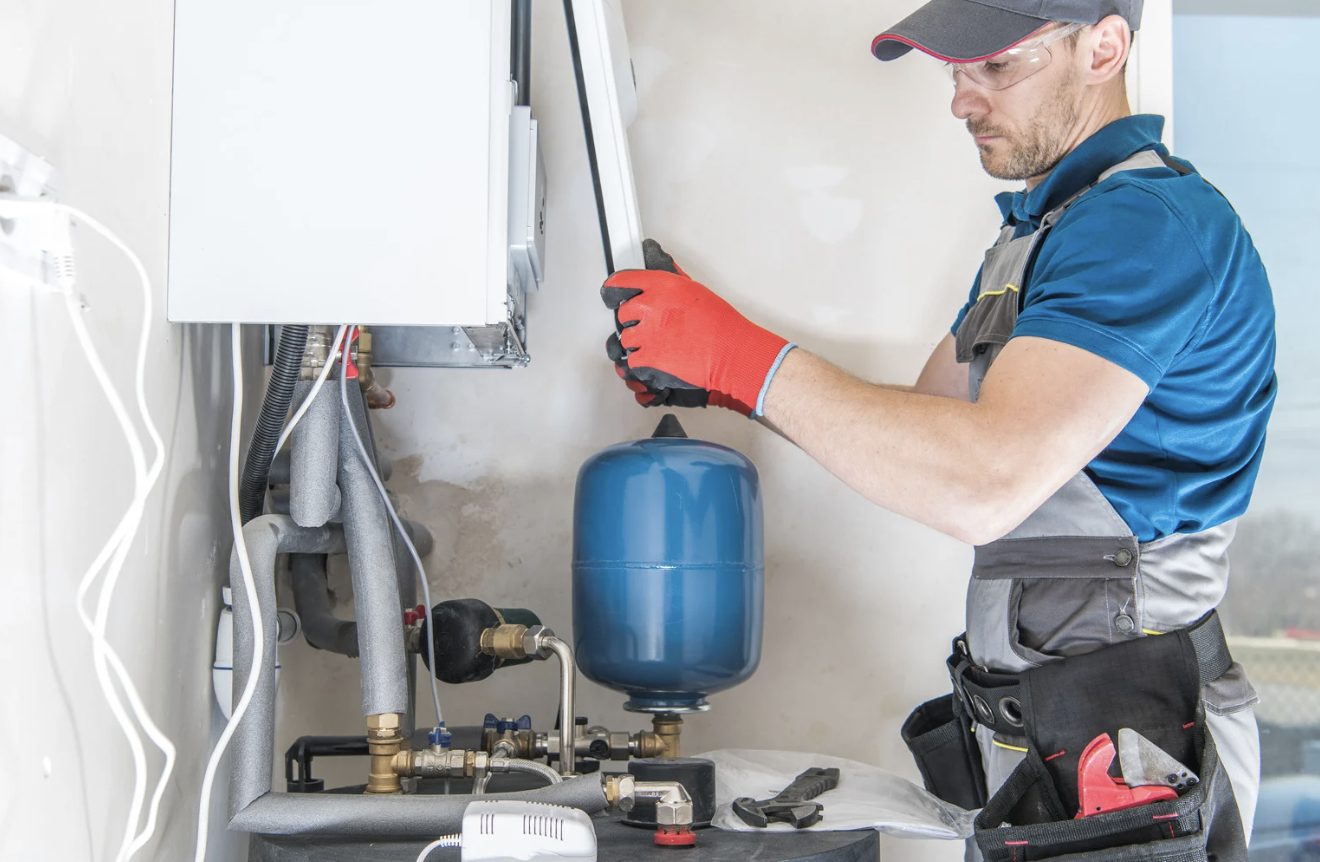
8 Warning Signs Your Furnace Needs Immediate Repair
A furnace needs immediate repair when it produces a persistent burning smell, an off-colored flame, unusual noises, or fails to produce consistent heat, since these signs can indicate both mechanical failure and, in some cases, a genuine safety hazard. Recognizing these signs early prevents both a mid-winter breakdown and more serious risks like carbon monoxide exposure, which is why furnace symptoms deserve prompt attention rather than a wait-and-see approach.
Unlike some home systems that fail gradually with only minor inconvenience, a furnace involves combustion and, in most homes, natural gas, which means certain warning signs carry safety implications beyond simple comfort or cost. For that reason, Furnace Repair Thornton CO from Roots HVAC is not always about restoring heat. In some cases, the priority is determining whether the furnace can be operated safely.
Key Takeaways
- A yellow or flickering flame, instead of a steady blue one, can indicate incomplete combustion and a carbon monoxide risk
- A brief burning smell on first seasonal use is normal, but a persistent or worsening smell is not
- Short cycling puts unnecessary wear on the system and often points to an underlying mechanical issue
- A carbon monoxide detector alarm is an immediate safety emergency, not a routine maintenance item
- An annual fall inspection catches most developing issues before the coldest part of winter arrives
1. A Burning or Unusual Smell When First Turned On
A brief burning smell the first time a furnace runs each season is typically just dust burning off the heat exchanger and usually clears within an hour. A smell that persists, intensifies, or has a plastic or electrical quality is different and indicates overheating components or wiring issues that warrant an inspection, particularly if the smell returns on subsequent uses of the system.
2. Unusual Noises During Operation
A furnace operates with a fairly consistent sound once established over a season or two. Banging can point to delayed ignition or a cracked heat exchanger, while screeching often indicates a belt or motor bearing issue. Neither tends to resolve without intervention, and a delayed ignition issue in particular is worth taking seriously, since it can indicate a buildup of gas before ignition occurs.
3. An Off-Colored or Flickering Flame
A properly functioning flame should be steady and blue. A yellow or flickering flame can indicate incomplete combustion, which is connected to carbon monoxide production, a genuine safety concern rather than simply a performance issue. This is one of the more important signs on this list to check periodically, particularly at the start of each heating season.
4. Cold or Lukewarm Air From the Vents
This is often the most noticeable sign of a problem and can stem from several causes, including a dirty filter restricting airflow, a pilot light or ignition issue, or a thermostat malfunction. Regardless of the specific cause, inconsistent heat output warrants inspection before the system fails entirely, particularly heading into the coldest stretch of winter when a full failure would be most disruptive.
5. Rising Heating Bills Without a Clear Explanation
An aging or struggling furnace gradually loses efficiency, burning more fuel to produce the same amount of heat. A winter gas bill that climbs year over year, separate from any change in usage, often reflects this decline before a more visible failure occurs, and tracking bills across seasons can reveal this pattern earlier than waiting for an obvious mechanical symptom.
6. Frequent Short Cycling
A furnace that turns on, runs briefly, shuts off, and restarts shortly after is short cycling, which is not normal operation. This can point to a dirty filter, a thermostat issue, or a more serious problem like an overheating limit switch, and it places unnecessary wear on the system with each cycle, potentially shortening the overall lifespan of the unit if left unaddressed.
7. Soot or Discoloration Around the Furnace
Visible soot or discoloration around access panels or vents typically points to incomplete combustion, similar to the flame color issue, and can be connected to carbon monoxide risk. This sign warrants prompt professional attention rather than routine scheduling, since it often indicates the combustion process is not functioning as designed.
8. A Carbon Monoxide Detector Alarm
A CO detector alarm while the furnace is running is an immediate emergency, not a maintenance item. It requires evacuating the home, contacting emergency services from a safe location, and addressing the furnace itself only after the immediate danger has passed. This is the one sign on this list where safety, not scheduling convenience, should drive every decision made in the moment.
Why Fall Maintenance Matters So Much
Many of the issues described above develop gradually over the course of a heating season, and a furnace that seems fine in October can show real signs of wear by January. An annual inspection scheduled before cold weather sets in gives a technician the opportunity to catch developing problems, worn components, minor ignition issues, early signs of incomplete combustion, before they become the kind of failure or safety concern that requires an emergency call in the middle of winter.
Balancing Comfort Concerns With Safety Concerns
Not every sign on this list carries the same level of urgency. A cold vent or a rising gas bill affects comfort and cost, and can generally be scheduled for the next available appointment. Flame color, soot, and a carbon monoxide alarm affect safety directly, and these should be treated as same-day priorities rather than added to a routine service queue. Making this distinction helps homeowners respond appropriately without either overreacting to a minor issue or underreacting to a genuine hazard.
Final Thoughts
Scheduling a furnace inspection each fall, before cold weather arrives, catches most of the issues on this list before they become a failure or a safety hazard. When any of these signs, particularly flame color or persistent odors, are already present, prompt furnace repair in Thornton, CO addresses both comfort and genuine safety concerns, and it should not be delayed simply because the furnace still appears to be producing some heat.