
Bicycle Accident Compensation: What Injured Cyclists Are Actually Entitled To and Why Most Get Less
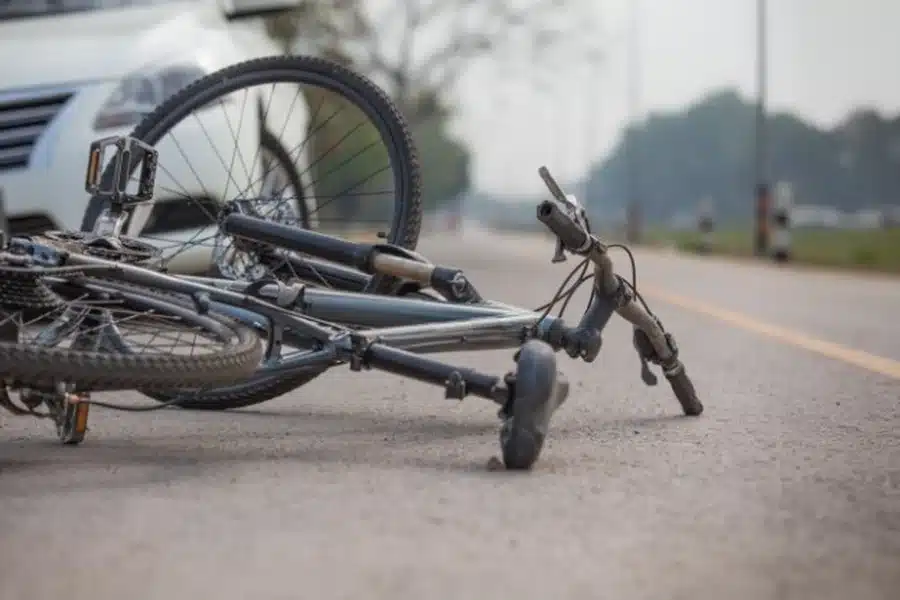
Most cyclists who get hit by a car walk away from the insurance process with less money than they were owed. Not because their injuries were minor. Not because the claim was weak. Because they did not know what they were entitled to claim, they accepted the first number they were given and signed a release before their treatment was finished.
This article is about bicycle accident compensation. What it actually covers, how it is calculated, and where the gaps usually appear.
Understanding this before dealing with an insurance adjuster makes a real difference in the outcome.
What Bicycle Accident Compensation Actually Covers
Bicycle accident compensation is not just about the bike. It covers every financial and personal loss that flows from the crash. Most people know about medical bills. Far fewer know about the other categories, which are often worth more than the immediate medical costs.
The categories of recoverable compensation in a bicycle accident claim break down into two types: economic and non-economic. Economic damages are calculable. They include emergency room bills, specialist visits, physical therapy, future medical treatment, prescription costs, lost wages from missed work, and reduced earning capacity if the injuries affect your ability to work long-term. These are documented with receipts, pay stubs, and medical records.
Non-economic damages cover the losses that do not come with a receipt. Pain and suffering. Emotional distress. Loss of enjoyment of activities you could do before the crash. In serious cycling accident cases, non-economic damages often exceed the medical bills. A cyclist who loses the ability to ride, run, or perform work that requires physical movement faces a real and ongoing loss that deserves compensation, even though it does not appear on a hospital invoice.
Property damage is a separate category. The cost to replace or repair the bicycle, helmet, cycling gear, and any electronic devices destroyed in the crash is recoverable from the at-fault driver’s insurance.
Why the First Settlement Offer Is Almost Never the Right One
Insurance adjusters contact injured cyclists quickly. The call usually arrives within 48 hours of the crash, while the cyclist is still dealing with pain, confusion, and the initial shock of the incident. The offer that follows is calculated on past documented costs only. It does not account for future treatment, ongoing physical therapy, or the non-economic losses the cyclist has not yet had time to quantify.
Once that offer is accepted and the release is signed, the claim is closed. It cannot be reopened. A cyclist who accepted a 4,000 dollar settlement for a crash that eventually required 18,000 dollars in follow-up treatment has no legal path to recover the difference. This is not an edge case. It is the standard outcome for claimants who settle before their medical situation is fully understood.
The adjuster’s job is to close claims for the least amount possible. That is not a judgment. It is their professional function within the system. Understanding this going in prevents the most common and irreversible mistake in bicycle accident compensation claims.
How Fault Affects What You Can Recover
Bicycle accident cases frequently involve a dispute over fault. The at-fault driver’s insurance carrier may argue that the cyclist was riding outside the bike lane, moving at excessive speed, or failed to obey a traffic signal. Under modified comparative fault rules used in Texas and many other states, each percentage point of fault assigned to the injured cyclist reduces their compensation by the same percentage. If a cyclist is found to be 30 percent responsible for the crash, they recover 70 percent of the total damages.
In Texas specifically, Texas Civil Practice and Remedies Code Chapter 33 establishes that a cyclist found more than 50 percent responsible cannot recover anything. This rule creates a direct financial incentive for insurance adjusters to build a fault argument against the rider early in the process, before evidence is preserved and before legal representation enters the picture.
Photographing the crash scene, collecting witness contact details, and getting the police crash report are the three actions that most directly limit the insurer’s ability to build that argument. Camera footage from nearby businesses is typically overwritten within 30 days. Acting quickly matters.
The Evidence That Determines the Value of a Bicycle Accident Claim
Bicycle accident compensation is not determined by how badly the cyclist was hurt. It is determined by how well that harm is documented. Two cyclists with identical injuries can receive very different compensation depending on how much evidence exists and how completely the damages were calculated before settlement.
The most valuable evidence in a bicycle accident claim is the emergency medical record from the first hospital visit. That record connects the injuries to the crash date and mechanism. Without it, insurers argue the injuries occurred elsewhere or were pre-existing. The police crash report establishes fault findings and road conditions. Photographs from the scene show vehicle positions, road markings, bike lane conditions, and the physical damage to the bicycle.
Future treatment costs require a different kind of documentation. If a cycling accident caused a spinal injury, a torn ligament, or a traumatic brain injury, the treating physician needs to produce a written prognosis that explains what ongoing care the cyclist will need and what it is projected to cost. That document is what allows future medical costs to be included in the compensation demand. According to Bicycle accident lawyers group, gathering evidence, documenting injuries, and reporting the incident promptly can significantly strengthen a claim.
What Injured Cyclists in Houston Should Know Before Talking to the Insurance Company
Cyclists in Houston face specific risks on corridors like Memorial Drive, Westheimer Road, and the protected lanes along Buffalo Bayou. Harris County recorded 670 bicycle crashes in 2023 with 26 cyclist fatalities, the worst year since 2016. Cyclists who survive these crashes and attempt to handle the insurance claim without legal guidance consistently recover less than those who get help before making any statements to the adjuster.
Cyclists who were hurt by a car in Houston and are unsure what their claim is worth can find clear guidance on bicycle accident compensation from Sutliff and Stout. Getting real answers from a law firm that has recovered more than $1 billion for Texas injury victims can help you avoid costly mistakes after a bicycle accident.
Bicycle accident compensation at this level of legal support means every medical cost, future treatment need, and income loss is documented before any settlement offer is accepted. The firm operates on a contingency basis with no fees unless compensation is recovered.
The Damage Categories Most Cyclists Miss
Lost wages are the most commonly overlooked category in bicycle accident claims. A cyclist who missed two weeks of work because of a fractured collarbone, a wrist injury, or a concussion has a documented wage loss claim. This requires a letter from the employer confirming the dates missed and the pay rate, or tax returns and invoices for self-employed cyclists. Many injured cyclists never submit this documentation and leave real money unclaimed.
Reduced earning capacity goes one step further. If the crash injuries permanently affect a cyclist’s ability to work at the same capacity as before, the difference between their pre-crash and post-crash earning potential is recoverable damage. This requires expert testimony in more serious cases, but it is a legitimate and significant component of bicycle accident compensation in cases involving lasting harm.
Loss of enjoyment of life is the non-economic damage that addresses the activities the injured cyclist can no longer do. For someone who rode as part of their physical and mental health routine, or who competed in cycling events, the inability to continue that activity is a real and compensable loss. It does not come with a fixed dollar amount, but it is calculated as part of the overall non-economic damages and argued based on documented lifestyle impact.